Turn "I'll do it later" into "Done." Break through the mental blocks that keep you from starting tasks or finishing those last pesky details.


Procrastination is often a struggle with "executive function." Propel helps you practice the cognitive shifts needed to move from thinking about a task to actually doing it.
Mental flexibility training to help your brain "switch gears" and start new tasks more easily.
Strategic puzzles that build the mental endurance to stick with a task until it's finished.
Bite-sized games that provide the dopamine hit your brain needs to get moving.
These games are designed to lower the "barrier to entry" for your brain, making it easier to initiate and complete tasks.
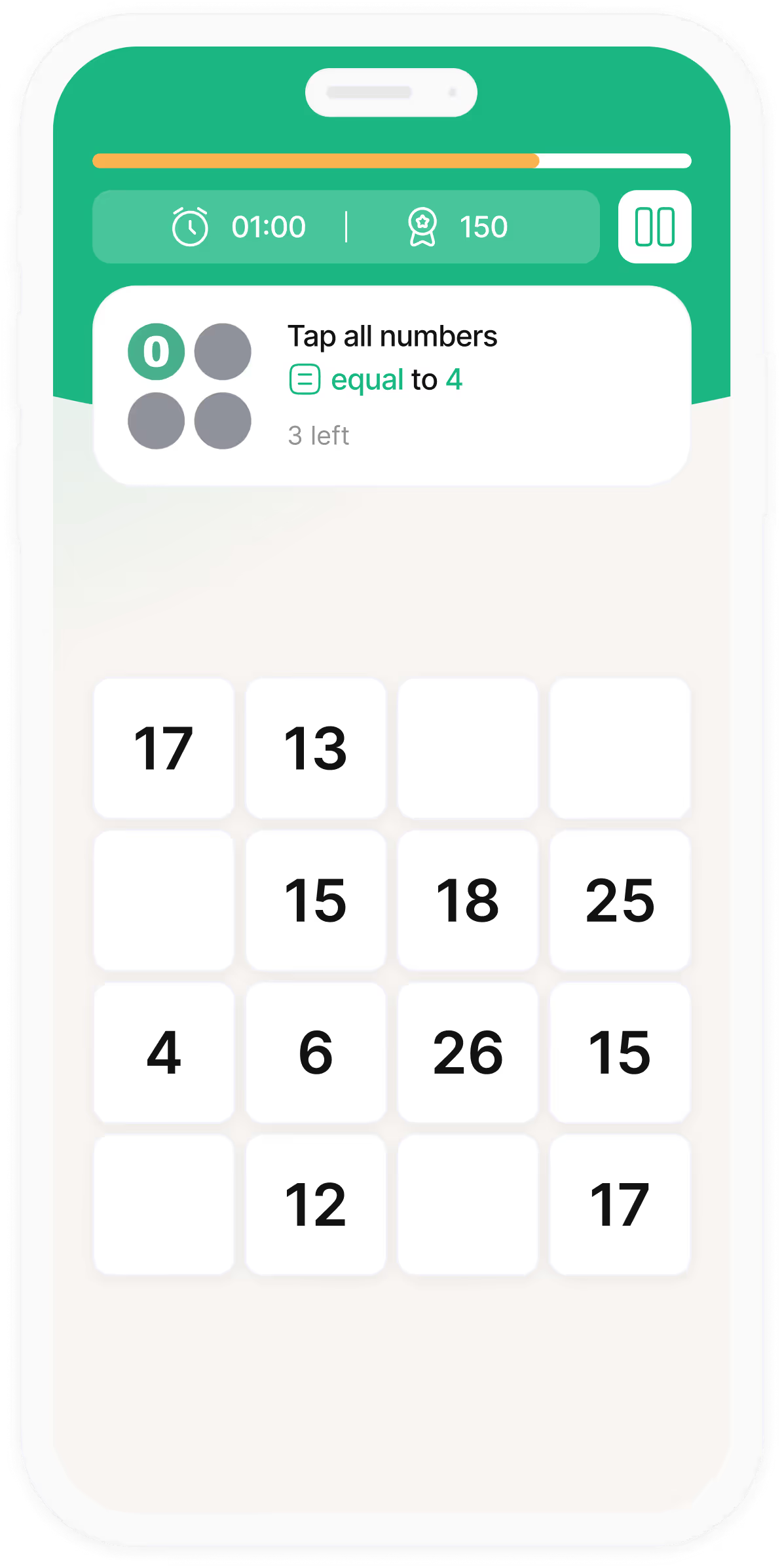
Watch the grid closely, numbers will flash one by one. Tap only when they follow the rule.

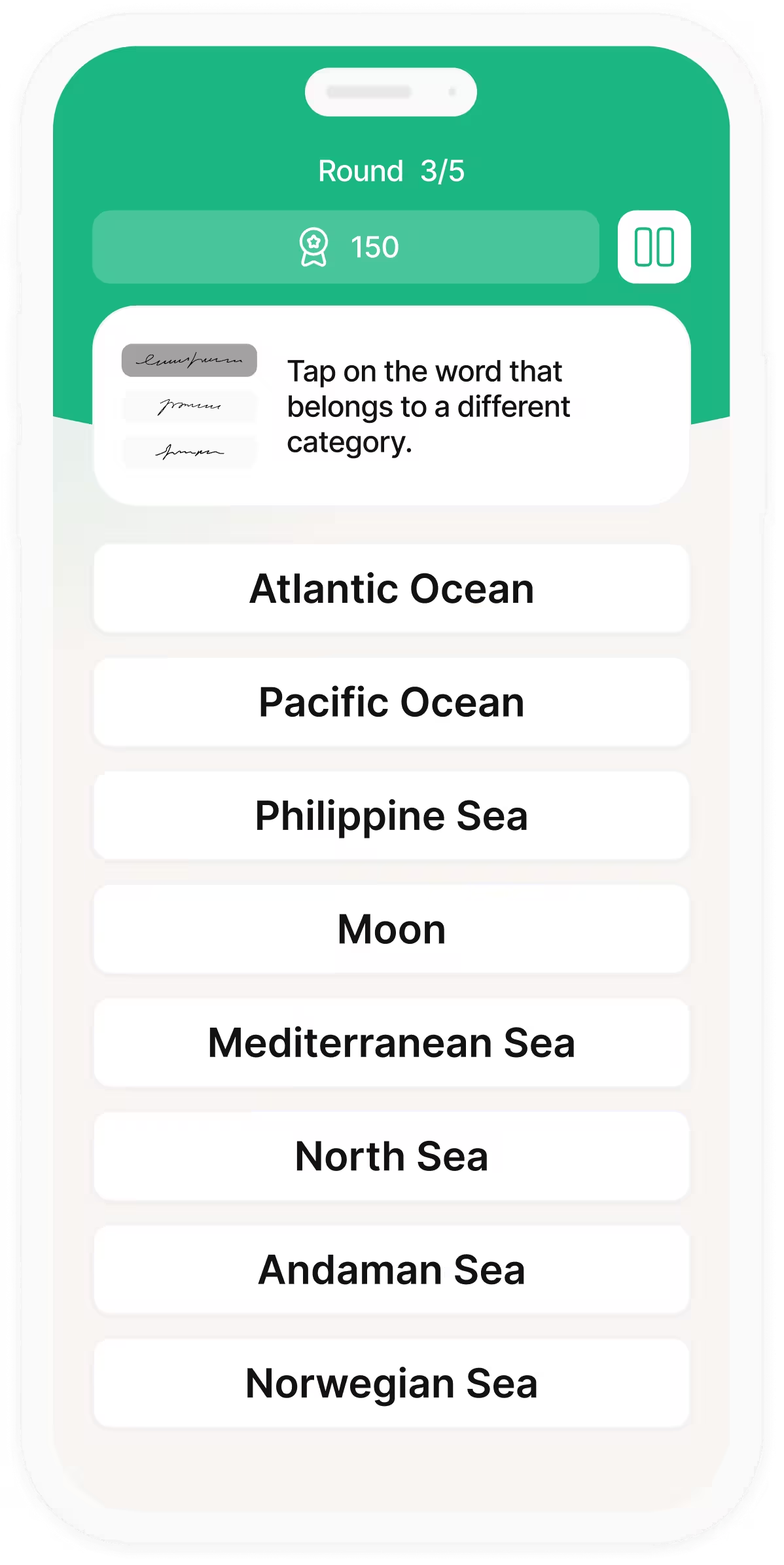
You’ll see a list of words, one doesn’t belong. Tap the odd one out.
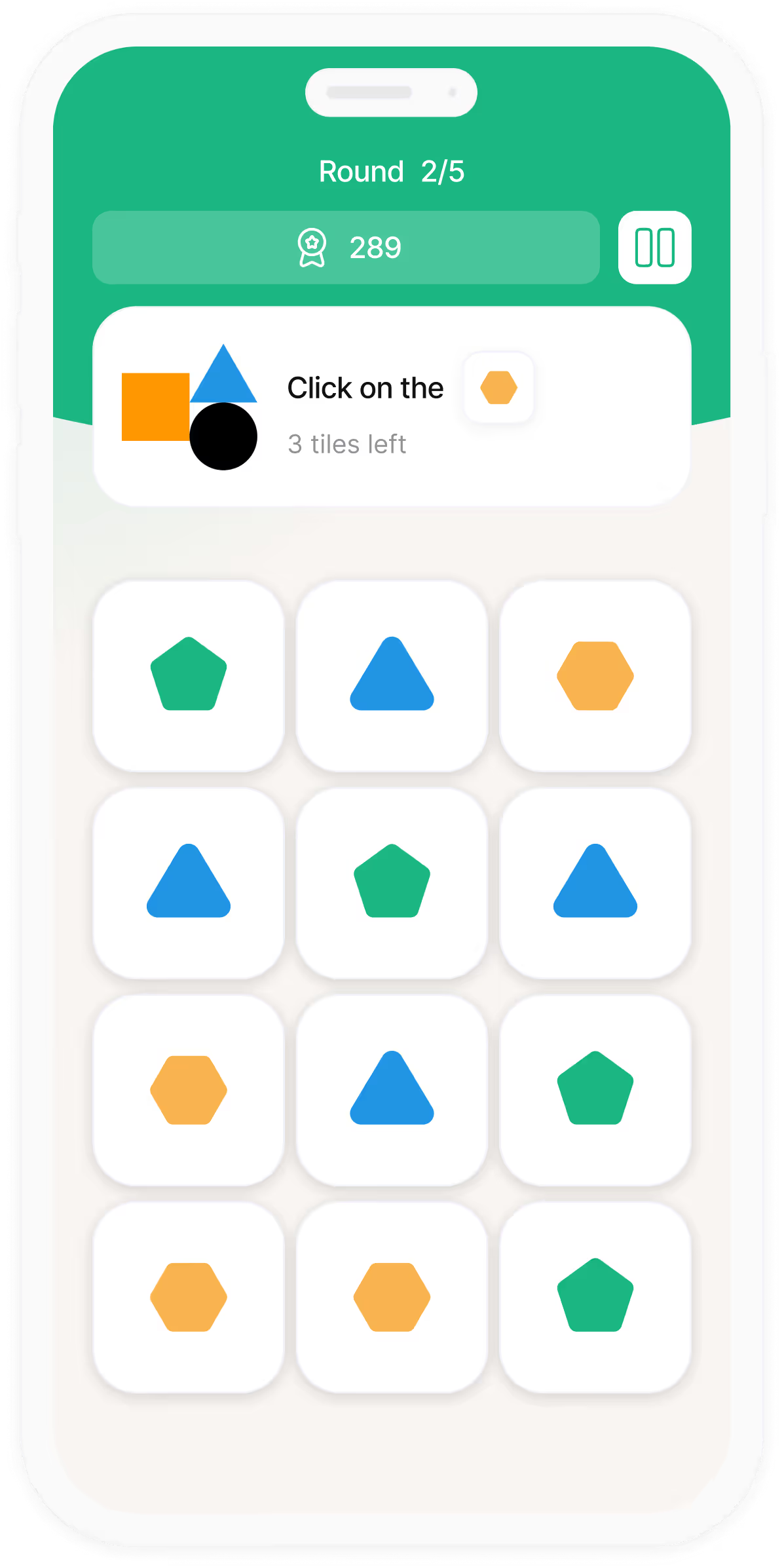
Identify and tap the correct shapes on the grid based on a given rule.
Our approach is inspired by research into executive function, focusing on the cognitive skills required to initiate and sustain goal-directed behavior.
This paper describes General Executive Function Training (GET), which includes tasks such as mental calculation and non-symbolic numerical comparison. These tasks provide direct evidence that training numerical processing skills can be an effective component of cognitive interventions for individuals with ADHD.
This study investigates adults' use of subtraction by addition and its association with executive functions, suggesting that executive functions like updating, inhibition, and shifting are related to strategy efficiency and selection in arithmetic, implying that training these functions could improve mathematical problem-solving.
This paper explores the role of executive function in the development of mathematics proficiency, suggesting that cognitive skills like executive function are foundational to mathematical abilities. This implies that training executive functions could benefit mathematical problem-solving.
This research suggests that engaging in mathematical problem-solving can contribute to cognitive enhancement, particularly in the elderly, and recommends further research to solidify these findings.
Take the first step today. Build the cognitive habits that help you start fast and finish strong.