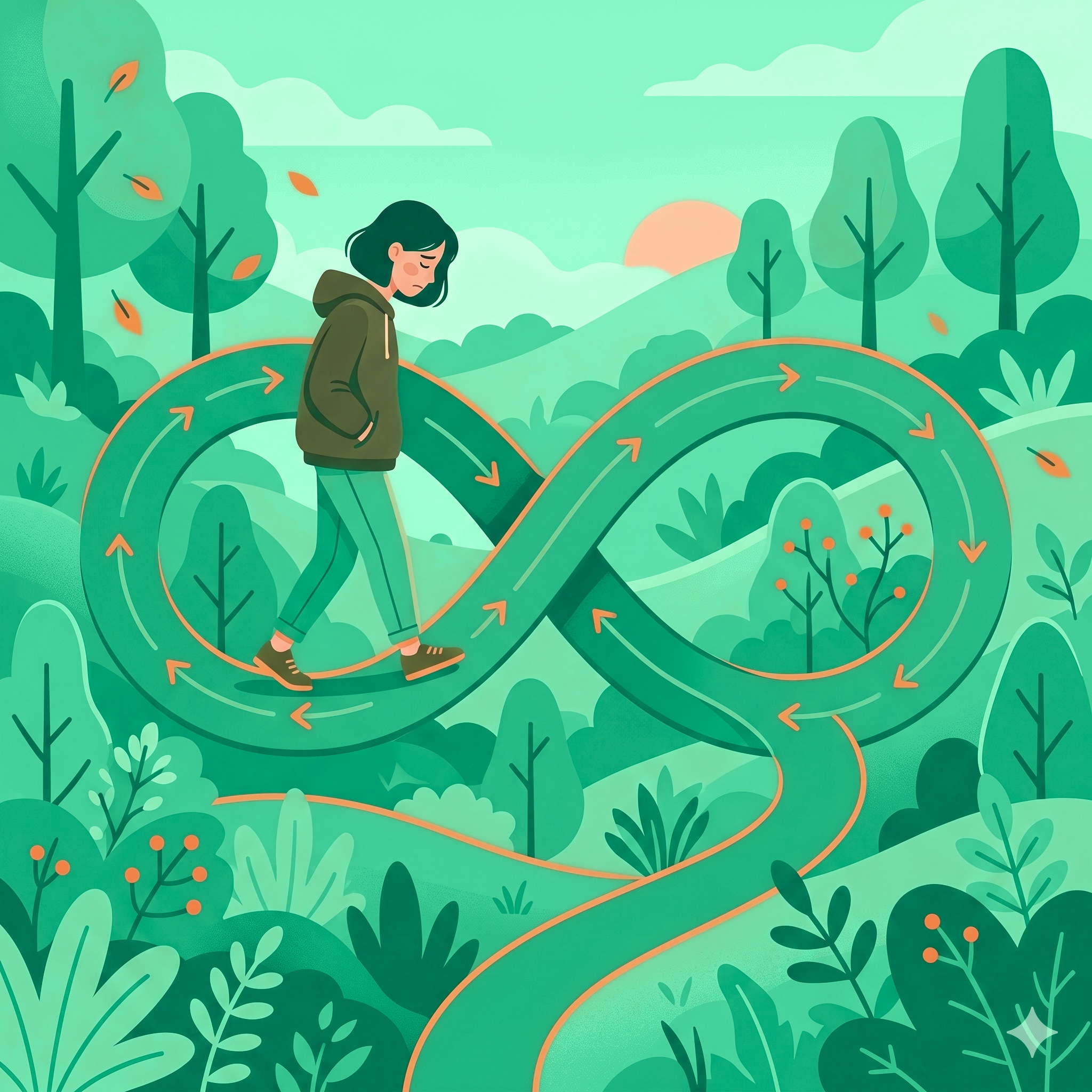
By now, most of us are already familiar with "imposter syndrome": the experience of feeling like you're not enough or not as good as others think you are, no matter how much you know, how much you study, or how hard you work.
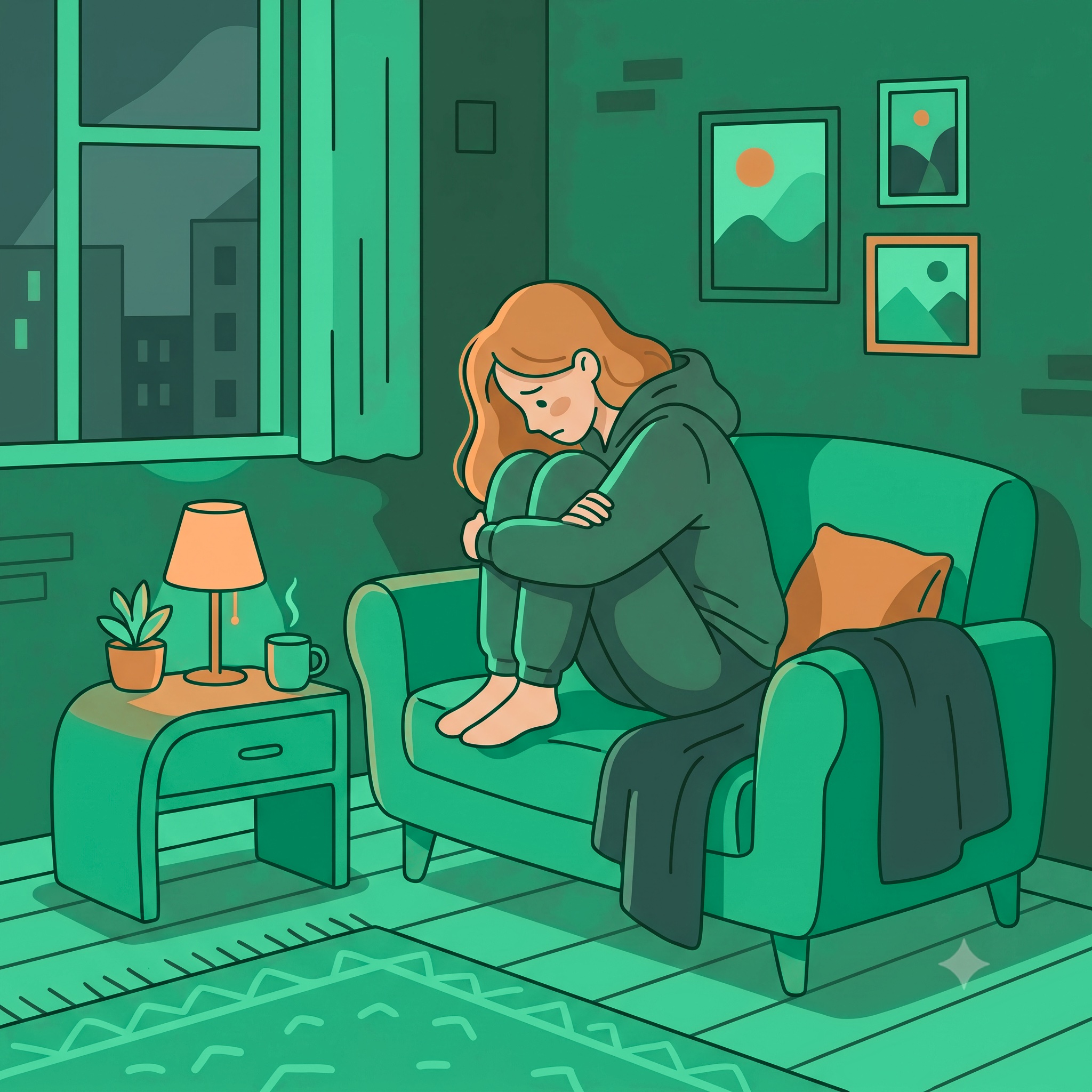
When imposter syndrome takes over, you see your achievements as the result of luck or external factors (instead of your skills or talent), while feeling anxious and secretly expecting others to eventually discover that you are a fraud.
Although it is not a formal diagnosis or clinical label, this uncomfortable experience affects both neurotypicals and ADHDers alike. However, imposter syndrome can feel slightly different (and harsher!) if you live with ADHD.
If you have struggled with ADHD-related symptoms all your life, you're probably familiar with the feeling of underperforming: the frustration when your academic grades are below your intellectual abilities, when your work performance doesn't reflect your actual knowledge, or your relationships not being as fulfilling as you would like them to be.
Most likely, you've also had people around you fueling these imposter syndrome thoughts by telling you that you’re being lazy, your effort is not enough, that they're disappointed, and that you can do better.
This is one of the first reasons why imposter syndrome might hit harder for ADHDers. While neurotypicals are often reassured that what they're doing is good enough (despite their own self-doubt), many ADHDers have heard throughout their lives that what they're doing is wrong and that they could do better.
It can sometimes feel as if their environment has confirmed their worst imposter syndrome fears, making those doubts feel true and real and significantly affecting their self-esteem and sense of who they are [1].
Now, let's look at how you can better cope with the imposter syndrome experience:
The key is to remember that feedback is meant to help you grow and improve. It's not a reflection of your worth as a person, but rather an opportunity to continue developing your skills, especially if you’re learning something new.
Pay attention to what type of content makes you feel as if you're not enough, question it critically, or distance yourself from it if that feels healthier.
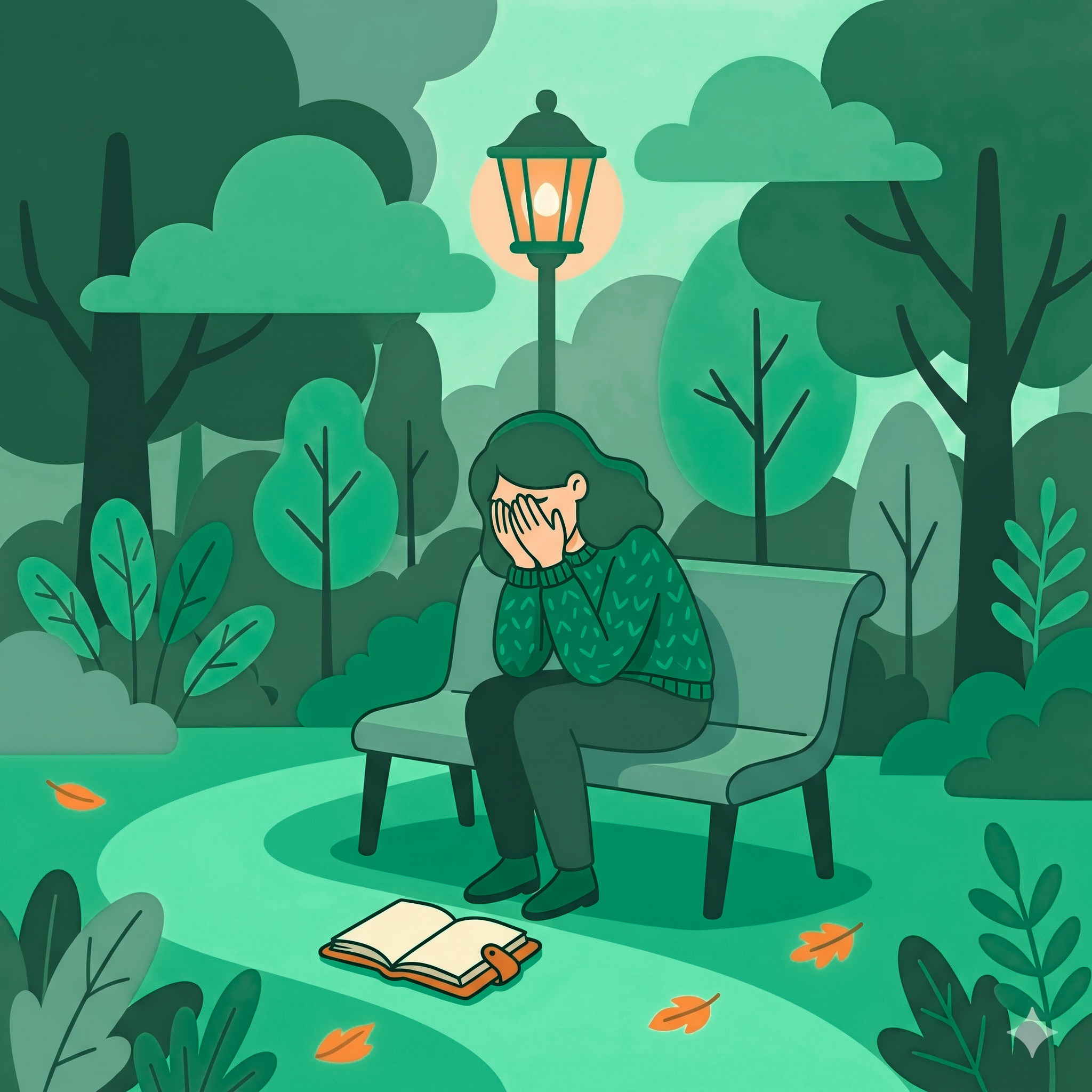
Keeping a journal is a great way to keep track of your wins (even if they're small!) and the effort you put in. Over time, this can help you build a more balanced and realistic view of yourself.
A simple way to start is to ask yourself: What would I say to a friend who felt this way? Now, try saying those same words to yourself when you're feeling down or doubting your own value.
Although imposter syndrome is a very common experience, it doesn't define your worth or value (most imposter syndrome thoughts are not even true!). However, if you believe these feelings and thoughts are too overwhelming or are interfering with your life, don't hesitate to seek professional support.

Whether you're here to focus better, calm your mind, or just feel a little more in control, we’re here to support you. One game at a time.