Building a Dopamine Bridge for ADHD Motivation

Sara Haqqi
April 3, 2026

2min read

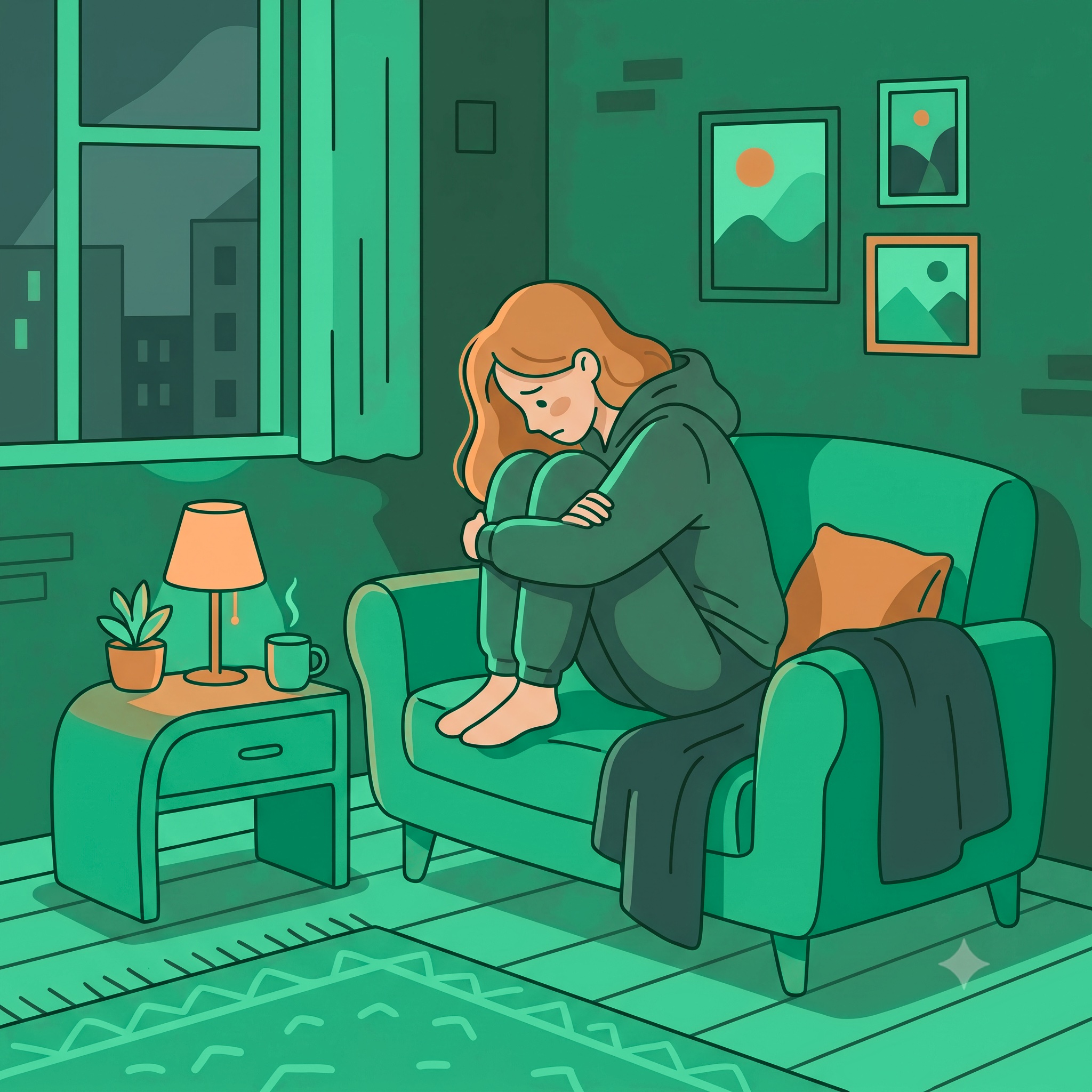
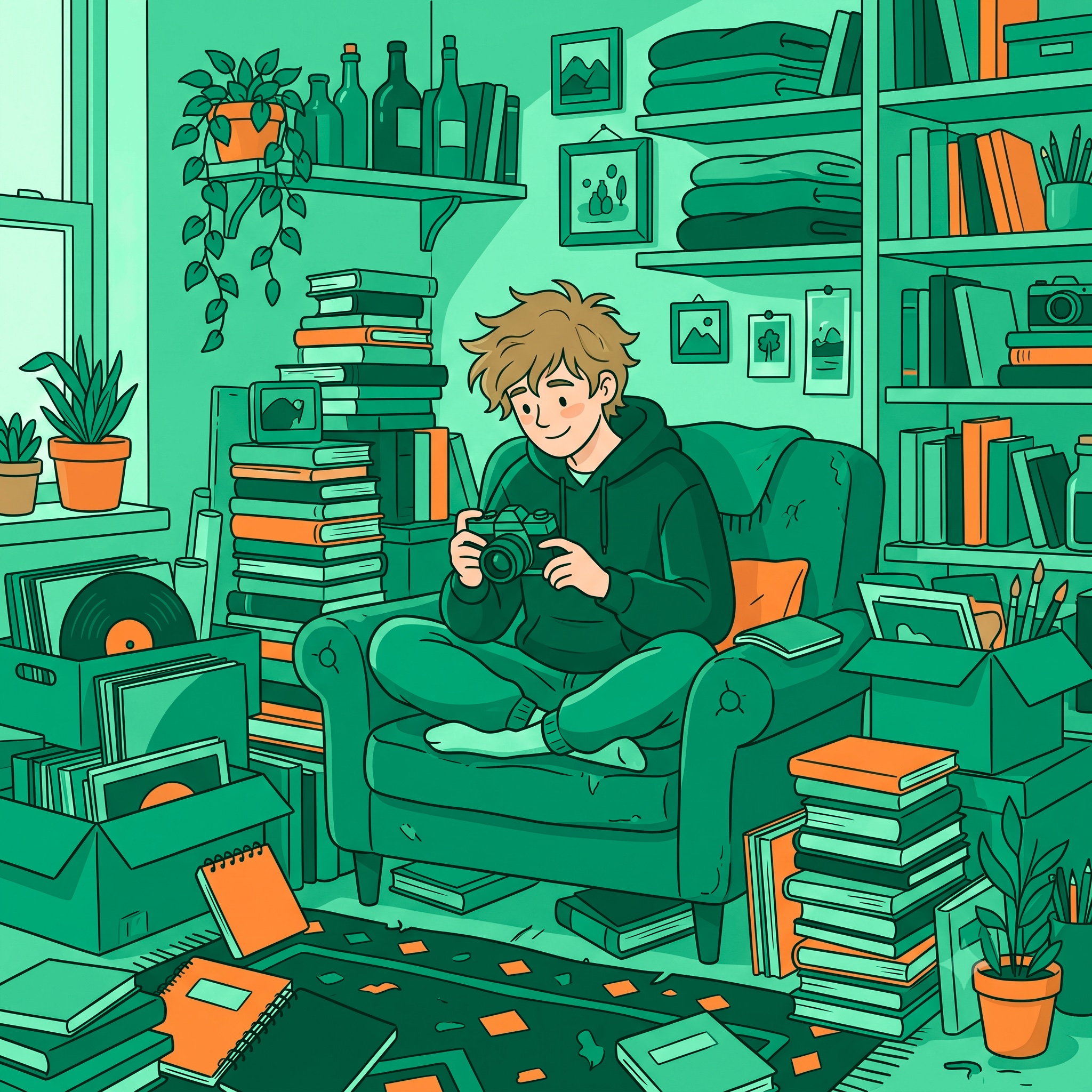
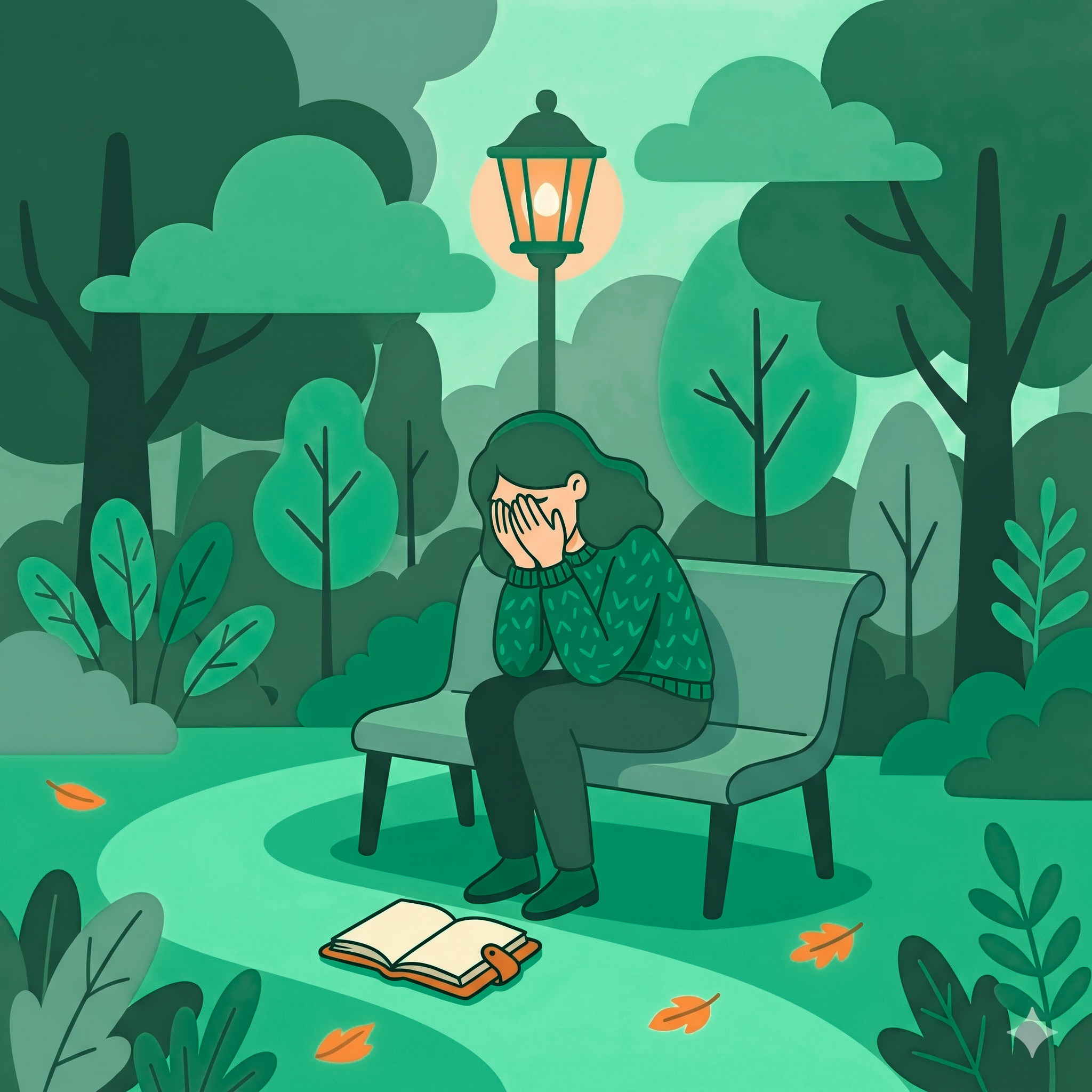
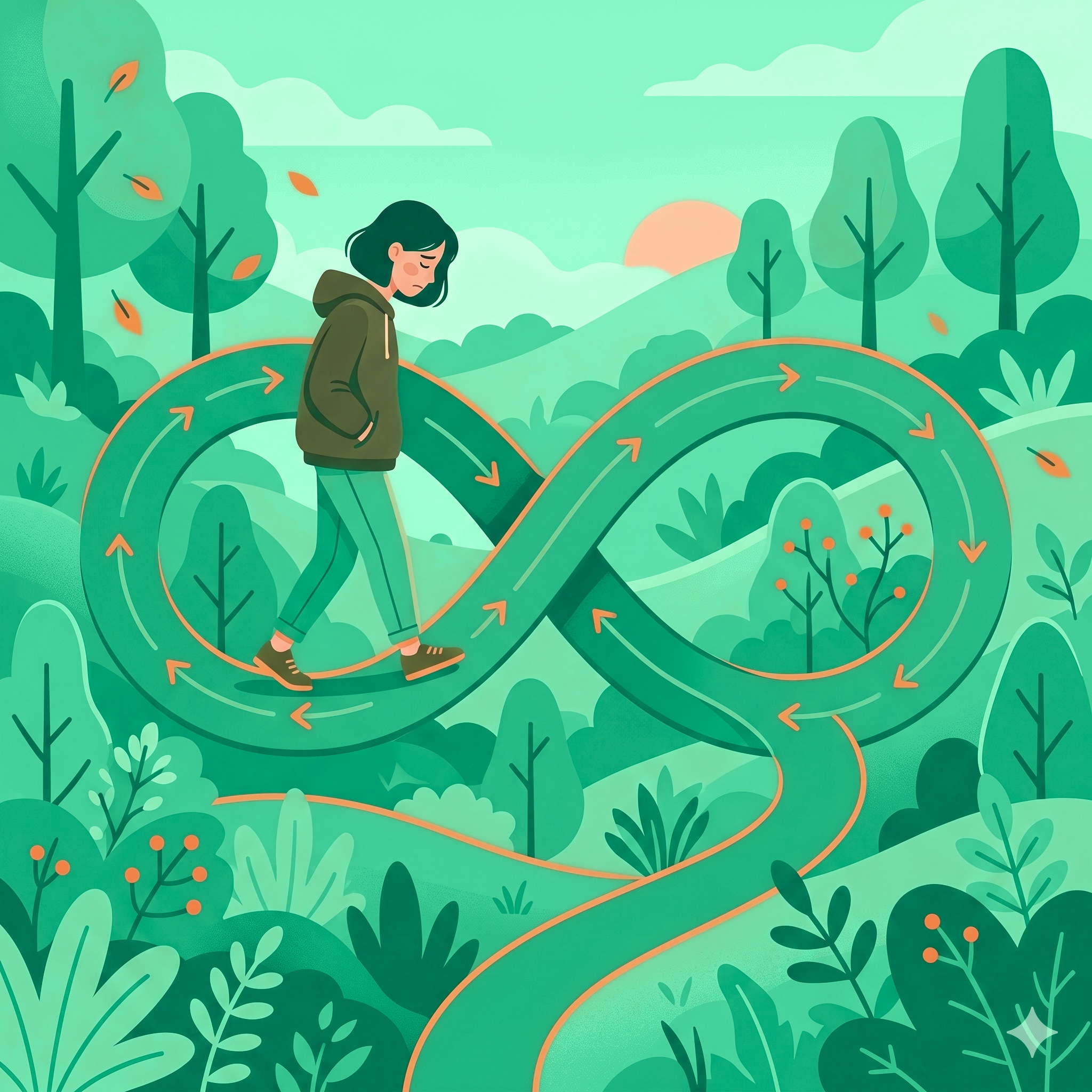
Motivation in ADHD works differently from what we typically expect. While neurotypical motivation is often driven by long-term goals and delayed rewards, ADHD motivation is far more sensitive to immediacy, novelty, and emotional engagement. This difference is not about laziness or lack of willpower, it is rooted in neurobiology.

Neurobiology of ADHD Motivation 

Research consistently shows that ADHD is associated with altered dopamine signaling, particularly in brain regions responsible for reward processing and executive functioning [1]. Dopamine plays a crucial role in sustaining effort toward tasks that do not provide immediate payoff and in a way is the motivation currency of the brain. In ADHD, it is not like the brain is out of currency entirely but that it is not being used where and when it should be. As a result, tasks with delayed or abstract rewards such as studying, paperwork, or long-term planning can feel disproportionately effortful for individuals with ADHD.

How motivation works for ADHDers? 

So this is how the differences in neurobiology reflect on everyday life: 

  • Motivation follows interest, not importance
    • If something feels interesting or urgent, it’s easier to do. Important but boring tasks feel very hard.
  • Now matters more than later
    • Rewards that happen now work better than rewards that come much later.
  • Energy comes in waves
    • You might feel stuck for hours, then suddenly get a burst of focus and do a lot at once.
  • Starting is the hardest part
    • Once you begin, things often get easier but getting started takes extra effort.
  • Deadlines can help
    • Urgency can flip the “on” switch and make focus easier.
  • Breaks in focus are common
    • Even when you’re focused, small interruptions can make it hard to restart.
  • New and different helps
    • Trying a new tool, place, or method can boost motivation.
  • Support makes things possible
    • Timers, rewards, games, reminders, and help from others can unlock motivation.

Rewards and Gamification 

This is where rewards and gamification become powerful tools. Immediate, tangible rewards help bridge the motivation gap by making effort feel worthwhile in the present moment rather than at some distant endpoint. Research shows that gamification can improve focus and productivity in ADHDers at the workplace [2]. Even small rewards visual progress bars, points, streaks, or music beeps  can significantly improve task initiation and persistence. Remember how you keep waiting for that one message notification from your crush, virtual rewards work pretty much like real world ones. 

Game-like systems introduce clear goals, instant feedback, incremental challenges, and a sense of achievement. These features align closely with what the ADHD brain finds stimulating: novelty, clarity, and fast feedback loops [3]. Importantly, gamification is not about turning life into a game, but about structuring tasks in a way that makes mundane tasks fun for ADHDers so that they become a bit less daunting for them.

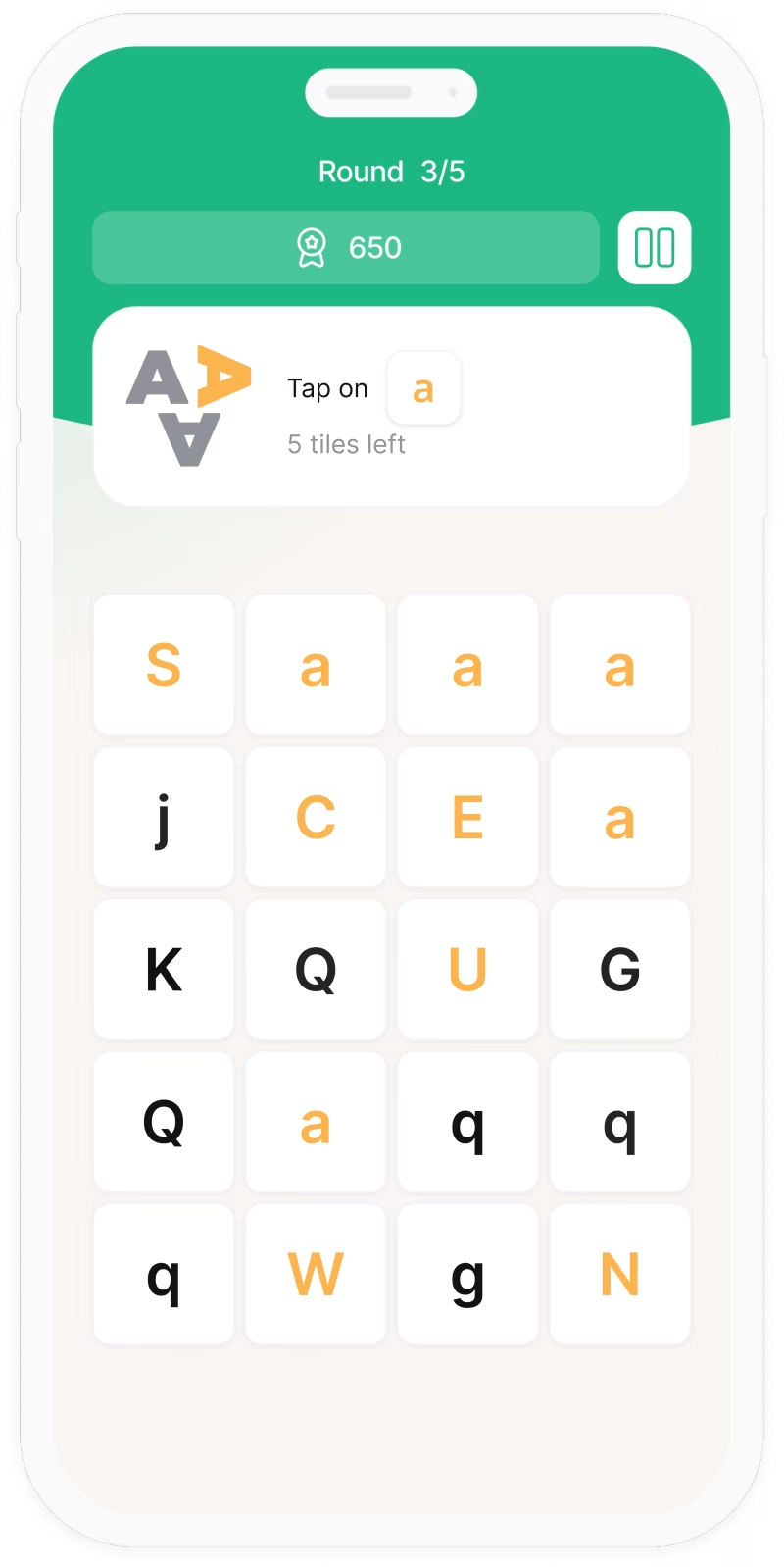
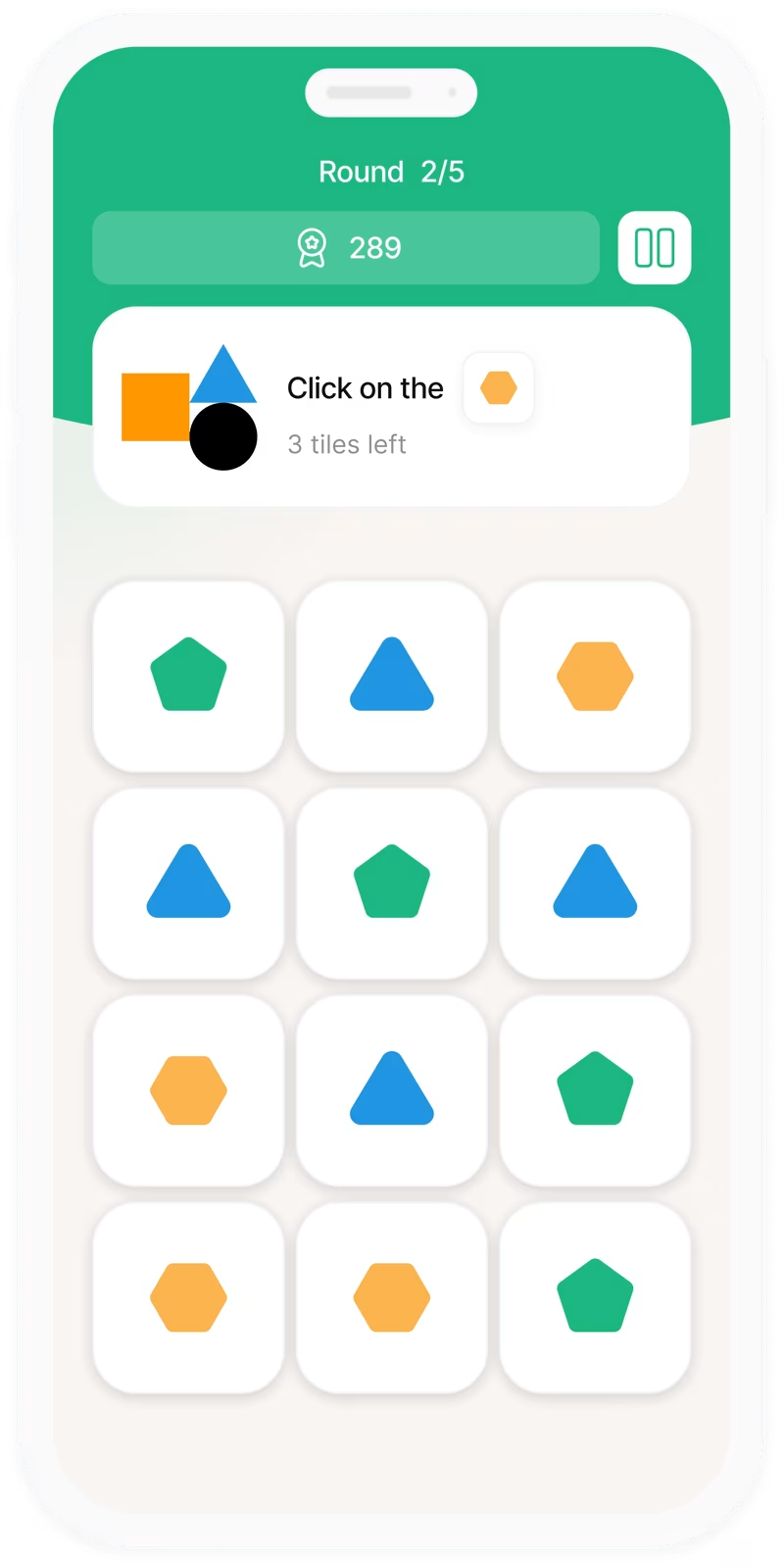
These principles are consistently used in apps like Propel, which use the science of how motivation and reinforcement work for ADHDers to create a game design that keeps them engaged!

Share this post
Sara Haqqi
Scientific Advisor

Gain control over your cognitive hurdles

Whether you're here to focus better, calm your mind, or just feel a little more in control, we’re here to support you. One game at a time.
Related posts

Liked this article? You might also enjoy these related posts!

Why ADHD Can Make Love Feel So Complicated

ADHD affects far more than productivity, it can deeply shape how people connect with others. From managing emotions and remembering important details to masking symptoms and fearing stigma, ADHD can make building and maintaining relationships uniquely challenging.
Learn more

Navigating Romantic Relationships as an ADHDer

Romantic relationships with ADHD can feel like a dance where the rhythm keeps shifting, full of love and passion, yet often marked by frustration and misunderstanding. Forgetfulness, emotional intensity, and inconsistent attention aren’t signs of disinterest, but reflections of how ADHD brains process emotion, time, and connection differently.
Learn more

ADHD Struggles in Social and Romantic Relationships

ADHD can make social and romantic relationships feel like an uphill climb, with forgetfulness, impulsivity, and emotional intensity creating challenges, but also with passion, creativity, and spontaneity bringing unique strengths.
Learn more

ADHD Struggles at Work

A deep dive into the unique challenges adults with ADHD face in the workplace, from structure and burnout to hyperfocus, criticism, and the rise of virtual meetings.
Learn more

Fighting an Invisible Battle of Getting Things Done

A look at the unique productivity struggles adults with ADHD face, and how to work with your brain, not against it.
Learn more