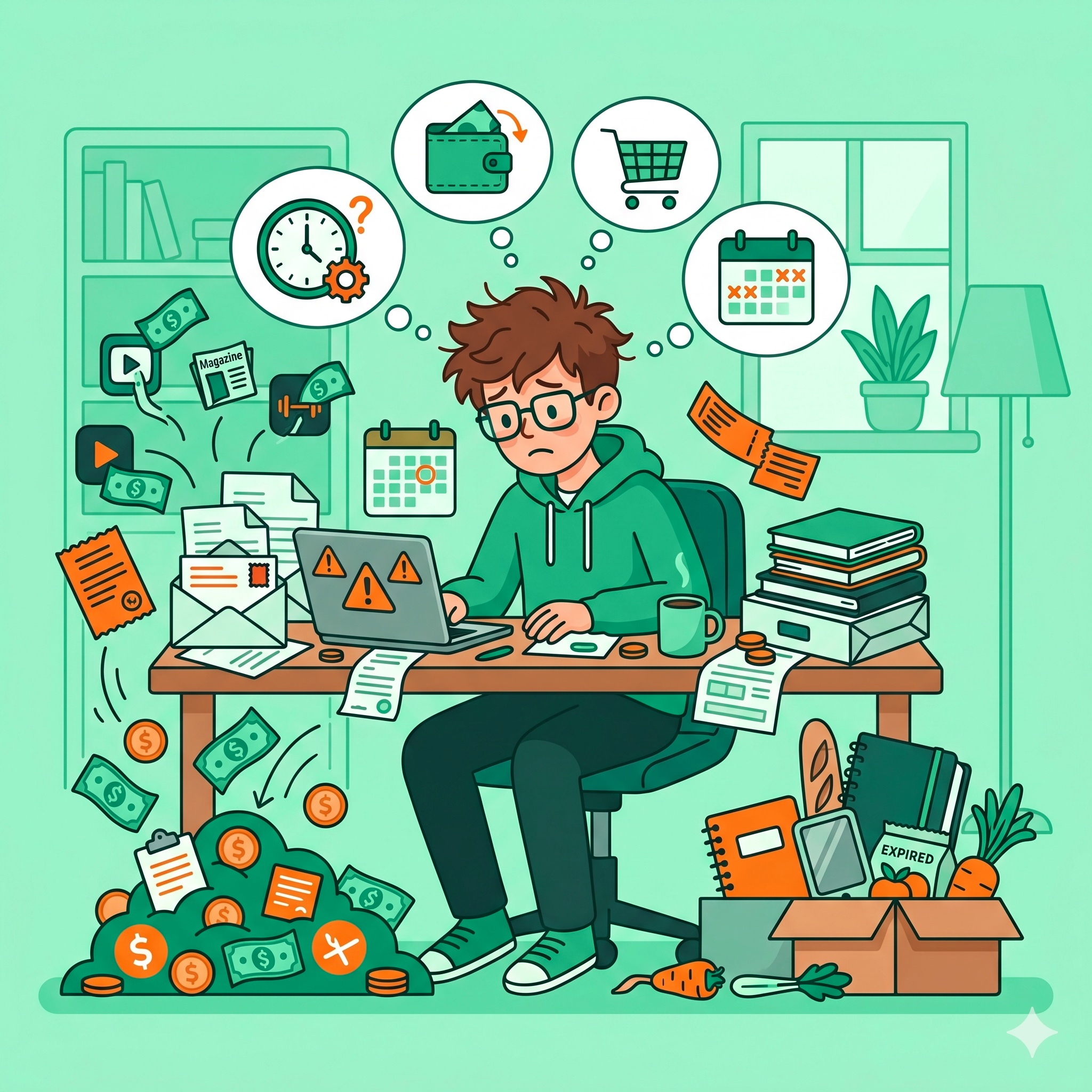
If you live with ADHD, juggling multiple tasks is a daily reality. Your intentions are strong, your motivation is real, but your attention system operates differently, and that's exactly why the right supports matter. Research shows that self management strategies can improve productivity [1]. We are going to explore how you can use some tools to increase your productivity and manage your work effectively.
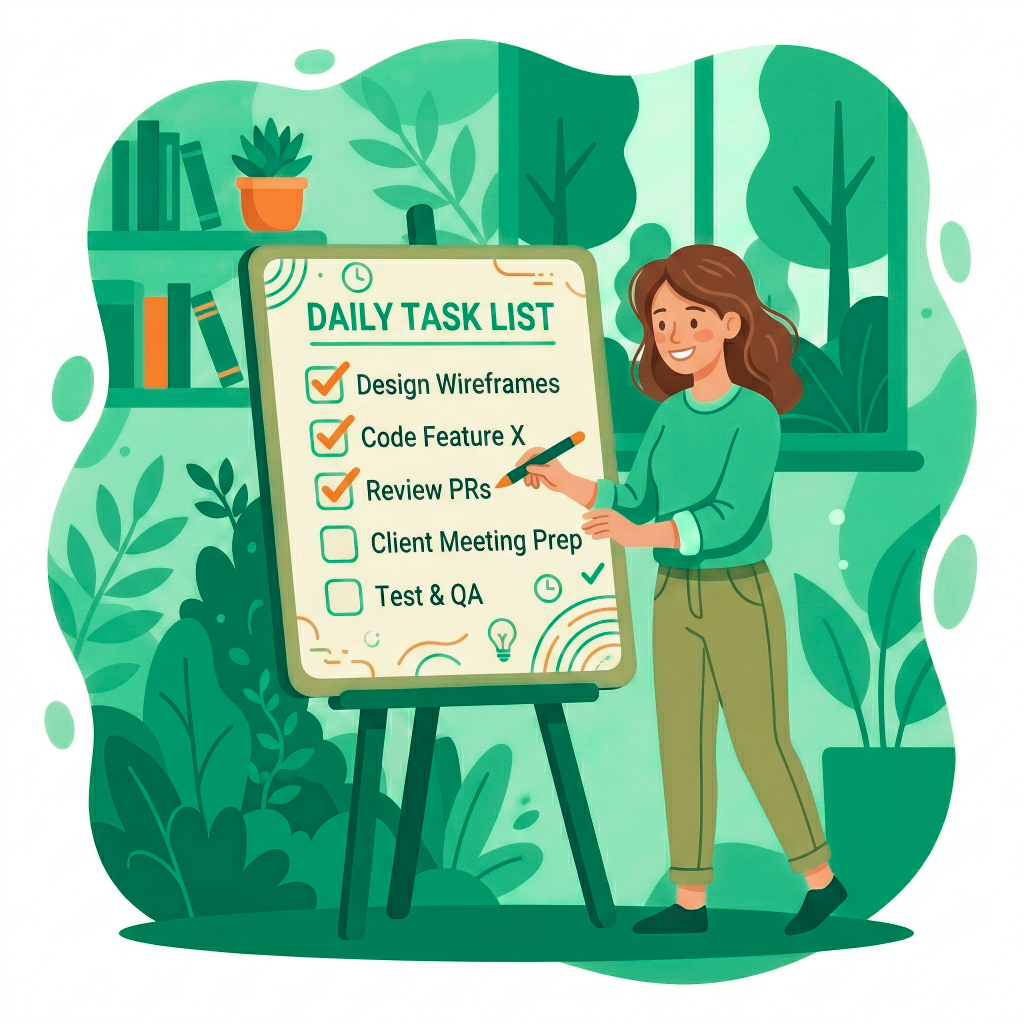
Start by treating your memory like something to outsource, not rely on. Apps like Todoist, TickTick, and Google Calendar act as your external brain. While low-tech cousins such as whiteboards, sticky note clusters, and visual priority lists, offer the same visible support but without notifications. ADHD doesn’t like invisible tasks, it needs things you can see to stay engaged and grounded.
Task initiation is its own kind of a challenge. Studies show that ADHD brains struggle more with starting than doing [2], so the trick is reducing the psychological cost of beginning. A 20-minute timer through a timer app can give you that tiny push. But you can mimic the same effect with the two-minute rule or a simple "start ritual": put water, clear the desk, pick one task, and go. Once your brain catches momentum, everything feels less impossible.
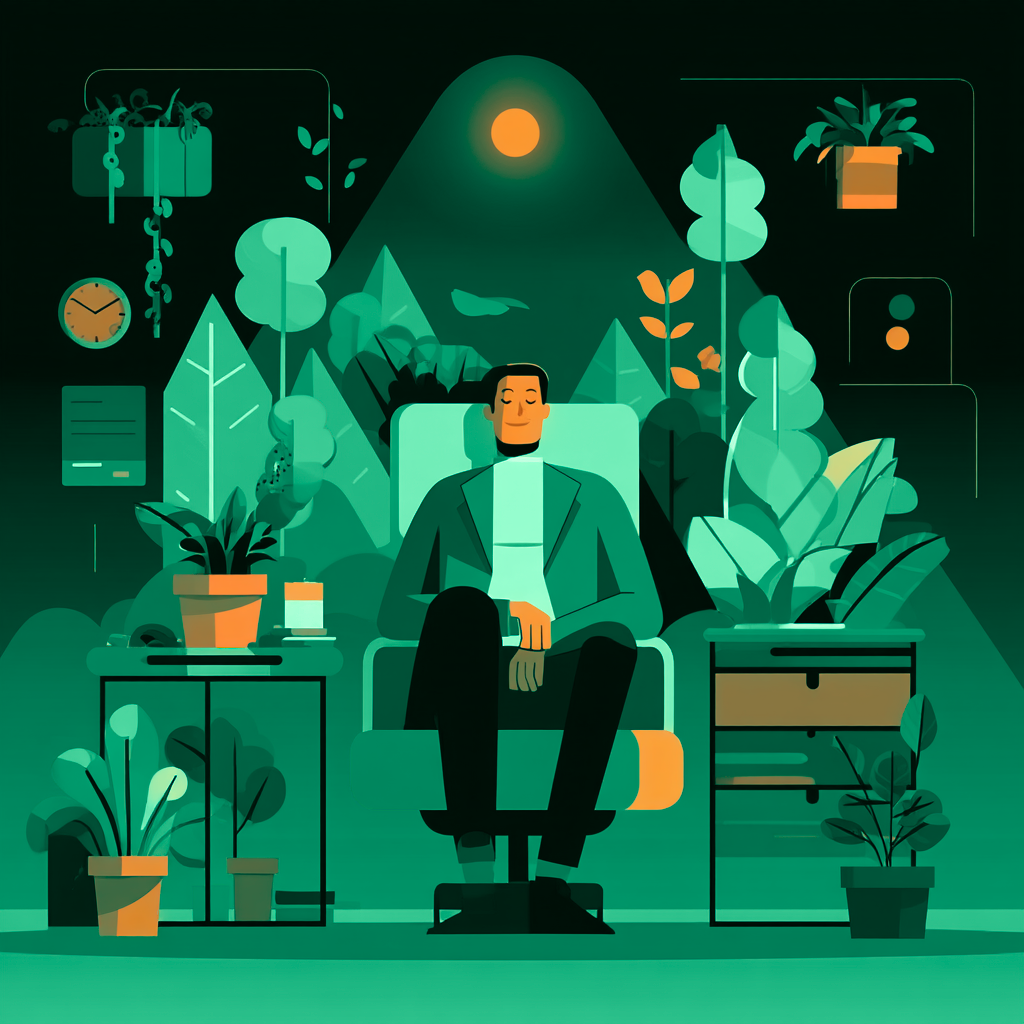
ADHD doesn't inherently lack focus, it lacks focus protection. That's why digital tools like website blockers, ad blockers, noise-canceling headphones, and single-task browser setups are lifesavers. But analog boundaries matter too. A dedicated work corner, a desk mat marking your "focus zone", or even turning on the same lamp every time you enter deep work. These cues give your brain the structure it needs.
Research on ADHD apps shows that external accountability boosts task completion and emotional regulation [3]. Digital body doubling apps can be helpful for you. However, nothing beats a human anchor, someone working beside you, a coworker on a silent call, or a friend you text your goals to. Add micro-rewards (finish the task to earn the treat) to this and eventually follow-through stops feeling impossible.
ADHD productivity runs on energy spikes, not a strict 9 to 5 schedule. But simply tuning into your body works just as well, you can create a focus menu with high, medium, and low-energy tasks so you can choose based on what your brain can handle. Add movement breaks every 40 to 60 minutes. Working with your energy level can create sustainable momentum.
To sum up, when you pair structure with compassion, and match tasks to energy instead of the clock, work stops feeling like an uphill task and you can be more productive. Next time, the hyperfocus spell is there, make the best out of it but don't overexert. There are a lot of apps and tools other than those mentioned above that can help you in creating the structure for your brain that it needs.

Whether you're here to focus better, calm your mind, or just feel a little more in control, we’re here to support you. One game at a time.