Technology has completely changed how we think about health, from something you only address in clinics to something you can actively track, understand, and support in daily life. Emerging digital health tools are making care more accessible, personalized, and proactive, helping people notice patterns and intervene earlier rather than waiting for things to escalate. We should be glad to be alive in an age where support and resources are just a click away.
As a clinician I feel that digital interventions are making my counselees more proactive and it is much easier for them to keep track of a lot of things such as journalling, meditation etc. Traditional health interventions are obviously relevant and very important but digital interventions as adjunctive support can play a remarkable role in managing mental wellbeing.
For people who live far from clinics, juggle unpredictable schedules, or simply can't get an appointment for months, digital tools can be a game changer. Studies consistently show that digital interventions can significantly reduce symptoms of various conditions including ADHD with small to medium effects on overall symptoms, especially inattention [1]. Some digital solutions are even getting FDA clearance. For instance, video game-based therapies for ADHD have been approved as legitimate treatment options, with many participants showing improved focus after use [2].
Let's explore how, as someone with ADHD, you can use digital interventions alongside traditional therapy to get the best outcomes, these involve some of the things that have worked out for ADHDers I work with:
1. Bring app data into therapy sessions
Use mood trackers, focus logs, or habit-tracking apps to give your therapist concrete examples of patterns and challenges, making sessions more targeted and effective. This will help you stay focused and on track.
2. Reinforce skills between sessions
Timers, reminder apps, and task-chunking tools can help you practice strategies learned in therapy, such as breaking tasks into manageable steps or regulating attention and impulses.
3. Leverage cognitive training apps
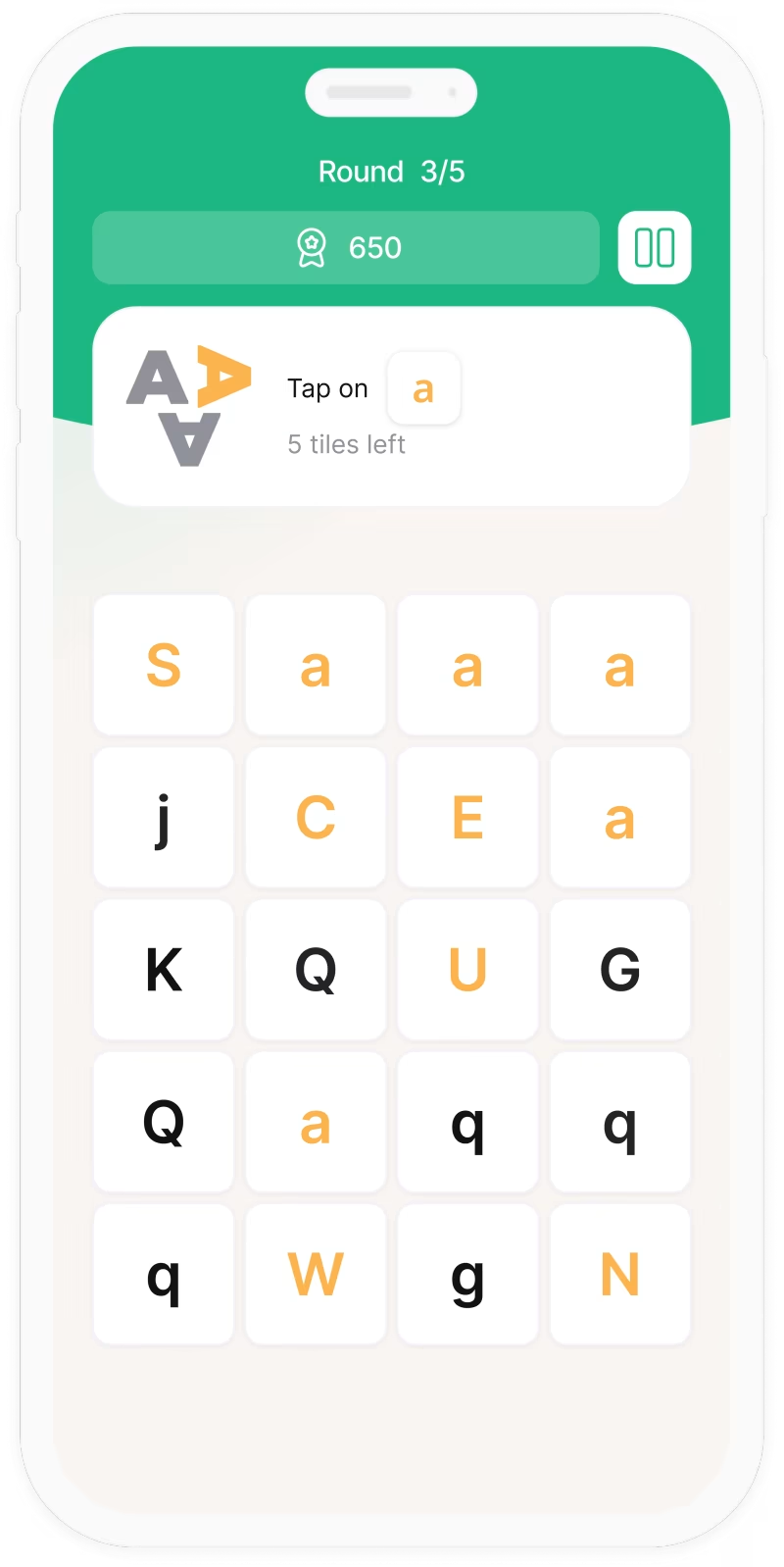
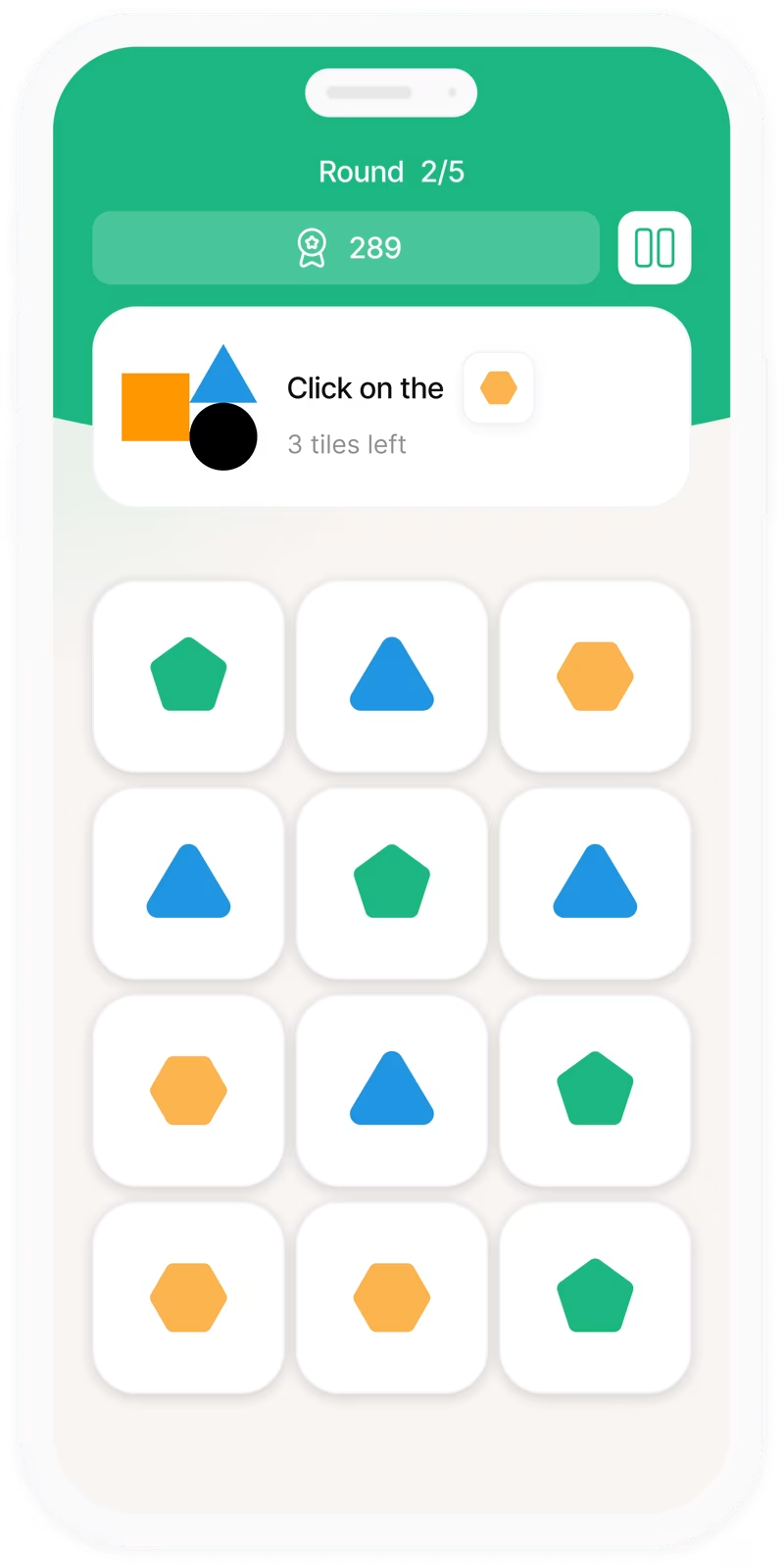
Apps like Propel provide targeted exercises to strengthen attention, working memory, and executive functioning, which can complement therapeutic strategies and improve day-to-day focus.
4. Create external structure
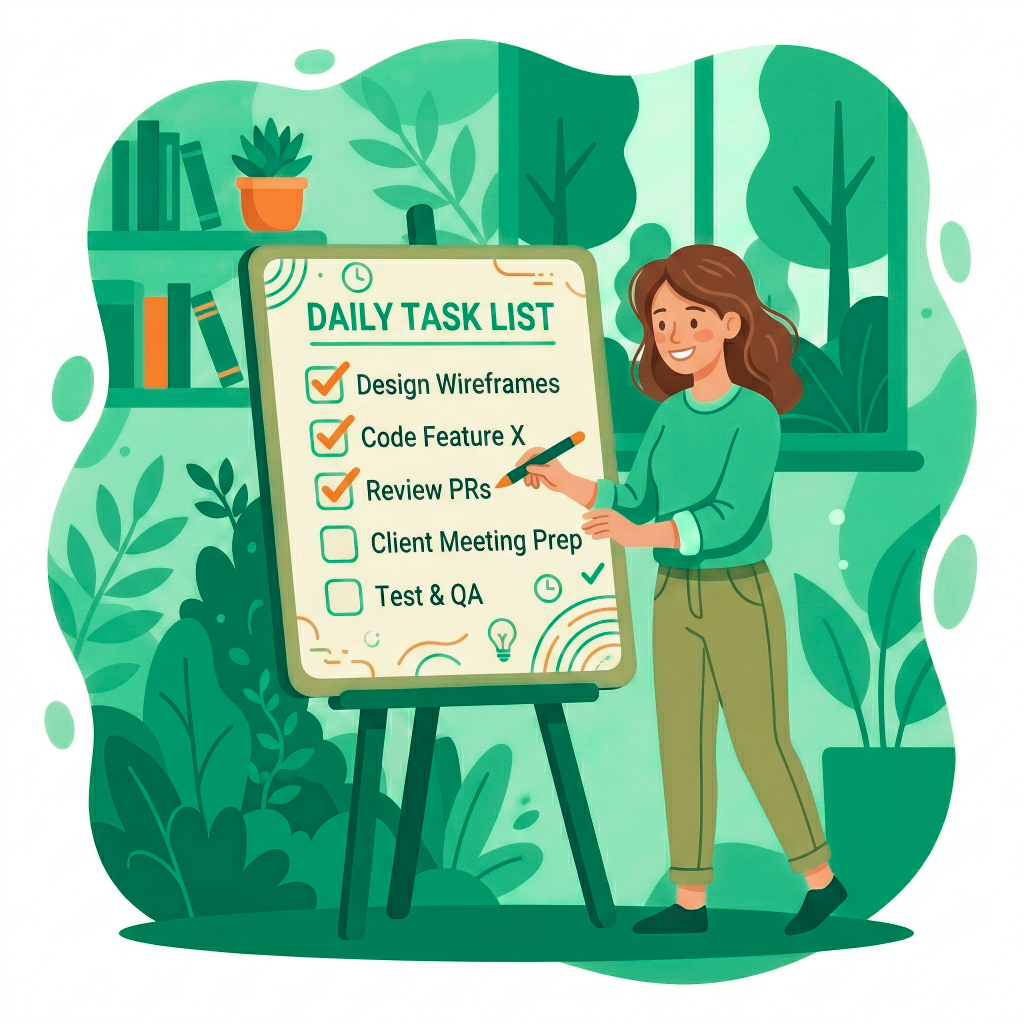
Visual schedules, alarms for transitions, and digital planners can reduce decision fatigue and support consistent routines, complementing the emotional and behavioral guidance from therapy.
5. Combine mindfulness and movement with digital prompts
Short guided exercises, meditation apps, or movement reminders can help manage impulsivity and emotional overwhelm, especially when adapted to your attention span with your therapist’s guidance.
Key Takeaway
Digital interventions are not meant to replace traditional therapy, but they complement it in powerful ways. With just a few thoughtful habits, you can take proactive steps toward focus, emotional balance, and overall wellbeing.

Whether you're here to focus better, calm your mind, or just feel a little more in control, we’re here to support you. One game at a time.