If your brain were a company, executive function would be the manager running the daily operations. It's not one single skill, it's a set of mental tools that help you plan, start tasks, stay focused, remember things, manage emotions, and finish what you start [1]. For people with ADHD, this "manager" often gets distracted, overwhelmed, or goes on break at times (sometimes at the worst times), which is why even simple tasks can feel like climbing a mountain.
Following are some of the main functions included in executive functioning:
Thus, executive function is central to goal-directed, self-regulating behaviour across life [2]. When executive function is weak, you might forget appointments, struggle to start tasks, lose focus halfway through a project, or react strongly to stress. But...
Research shows that you can improve executive functioning [3], although it does not improve overnight, but with steady practice and the right tools there is considerable promise out there.
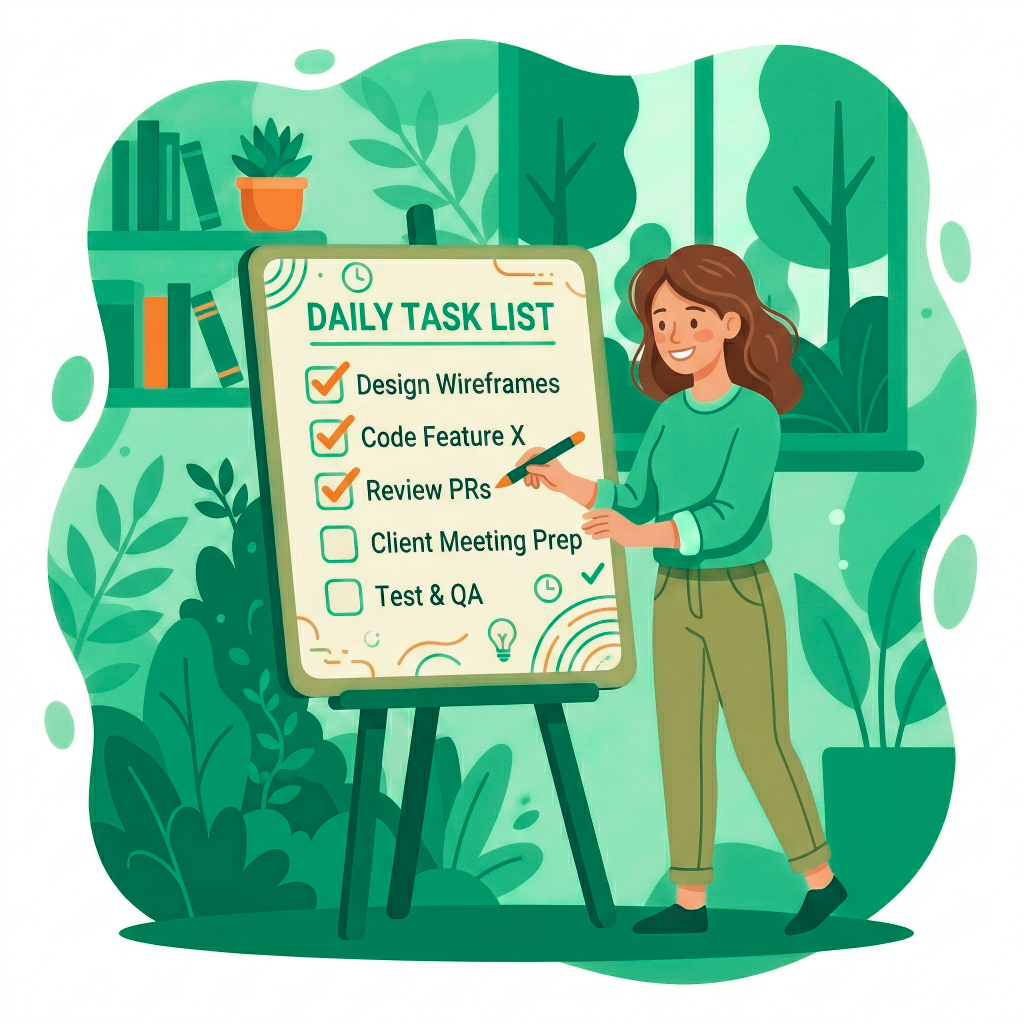
Big goals feel huge. Breaking them into tiny steps helps. Studies on productivity in ADHD support this, structuring tasks makes initiation easier [4].
Use tools like visual plans, sticky notes, alarms, checklists to off-load your memory and executive load [5].
Emotional regulation is part of executive functioning. Using mindfulness, grounding, journaling, and doing exercise helps when impulse or stress overwhelms you [6].
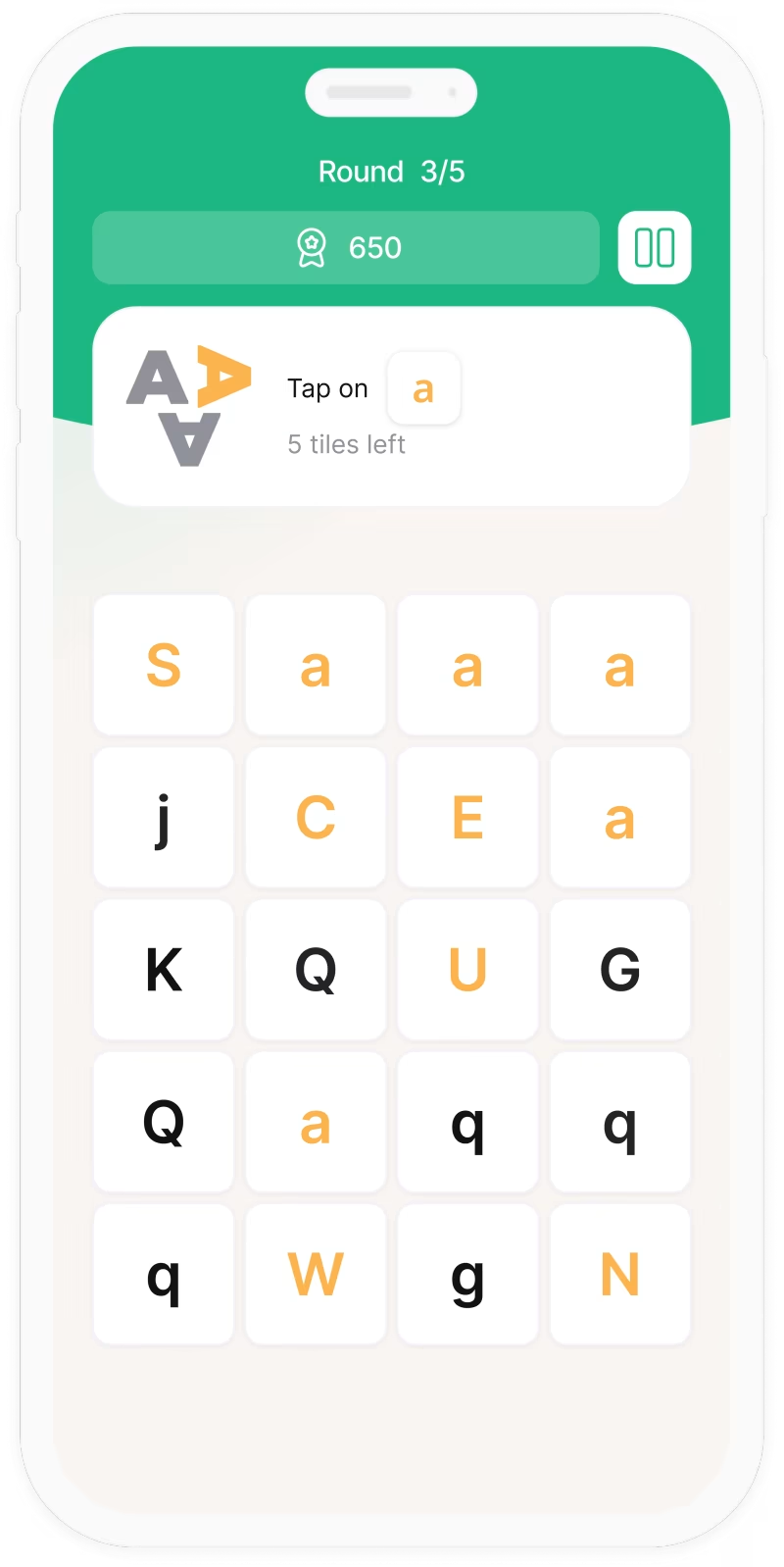
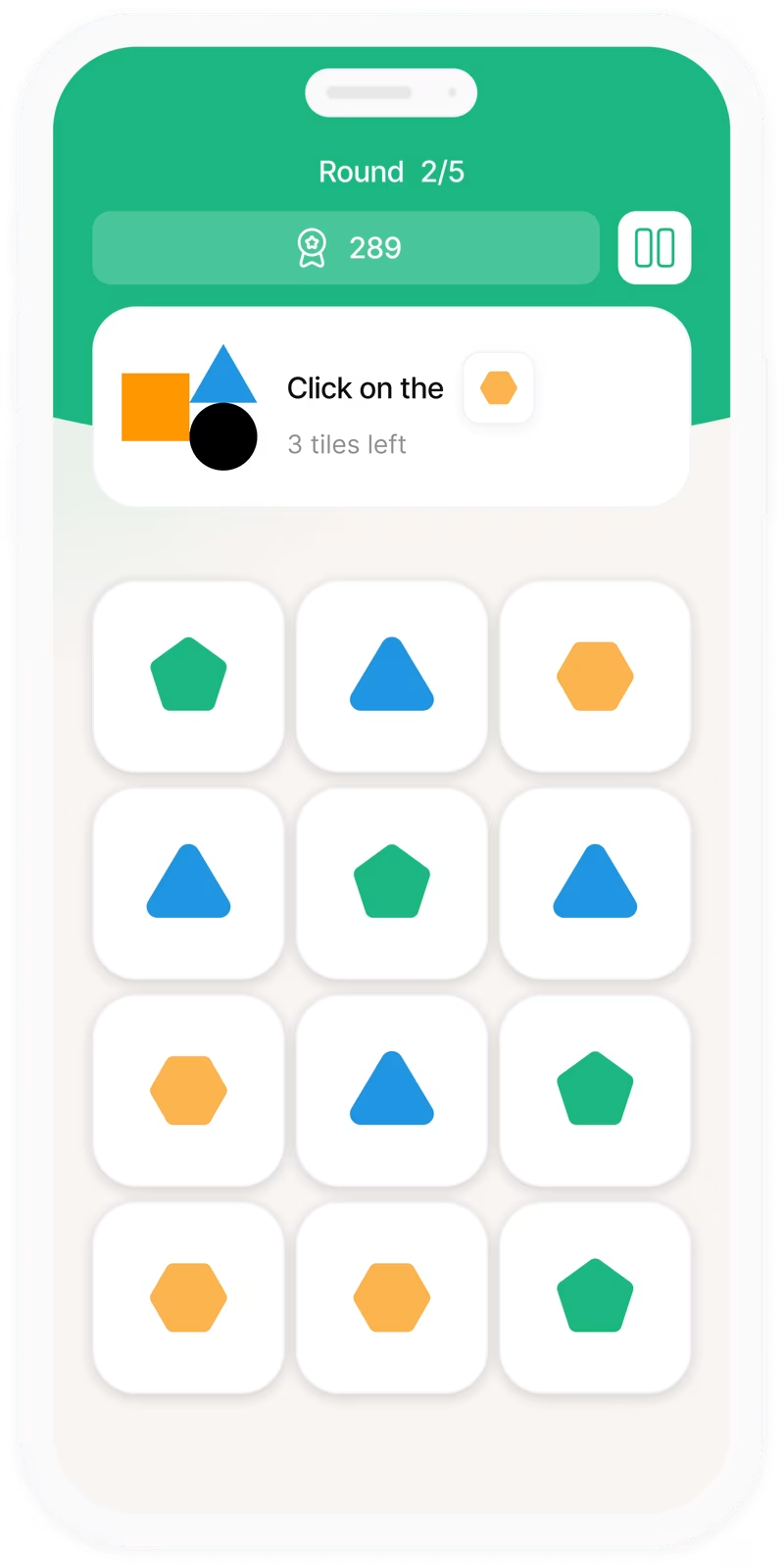
Just like muscles get stronger with repeated exercise, your brain’s executive-function skills can also improve with the right kind of training. Cognitive training programs, especially those targeting working memory, inhibition, and attention have been shown to help people with ADHD strengthen these skills over time. They're not a magic fix, but research shows they can lead to improvements [7].
Celebrate wins, even if small. Dopamine loves recognition. Whether it's a snack, music break, or a happy dance, your brain learns best through reward [8].

Whether you're here to focus better, calm your mind, or just feel a little more in control, we’re here to support you. One game at a time.