Think about a toolbox. It's filled with different tools, and you choose each one depending on what you need to do. You wouldn't use a hammer to remove a screw or a drill to paint a wall. Each tool has its own purpose. And even within the same tool, there are so many variations in size or shape, so you can pick the one that fits your specific task.
Managing ADHD symptoms and trying to succeed in your studies works the same way. What matters is having a toolbox of study strategies and habits that you can use depending on the task.
Here are some evidence based tools you can start adding to your academic toolbox.
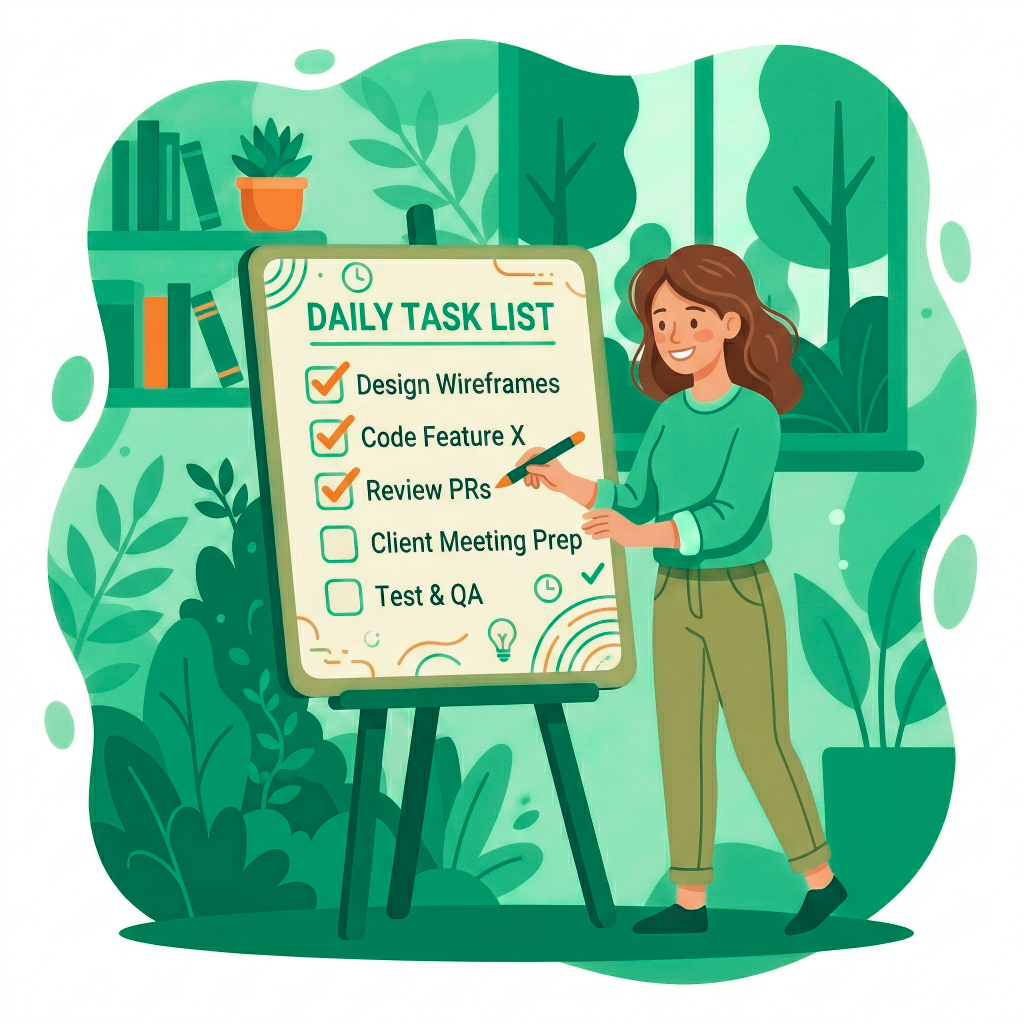
Oh yes, those old tools we all know about, but rarely use. It might hang on your wall or sit on your phone, but how often do you actually rely on them? Research suggests that using timers, or a calendar to map your classes, deadlines, and tasks can significantly improve your time-management skills [1] [4]. Plus, there are many great apps available today that make this even easier!
Yes, you probably know that planning is important, but aren't always sure how to do it. First things first: science suggests that effective planning for individuals with ADHD relies on three key elements: task prioritization, accountability and self rewards [1] [3].
Here's how you can practice it:
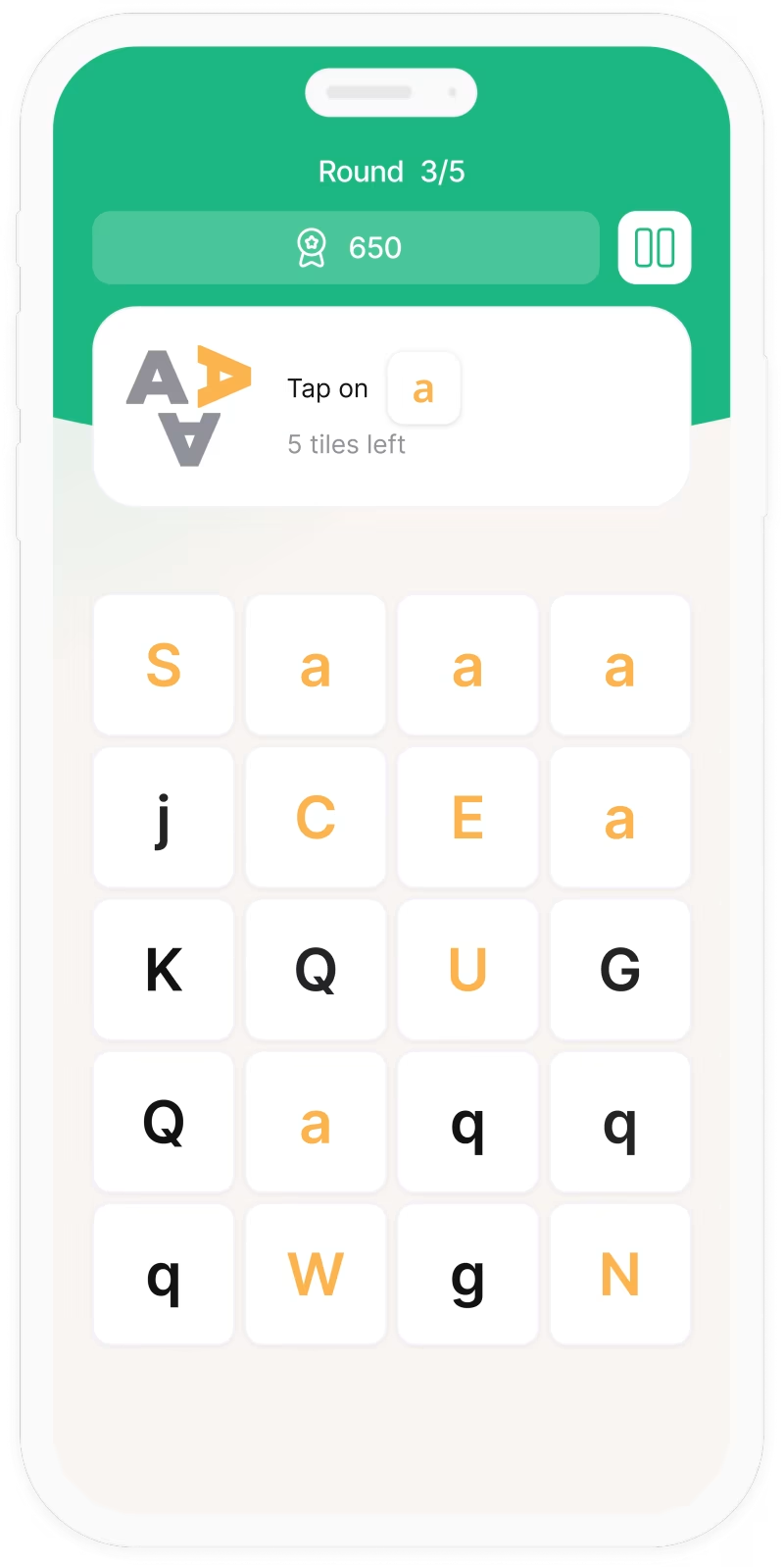
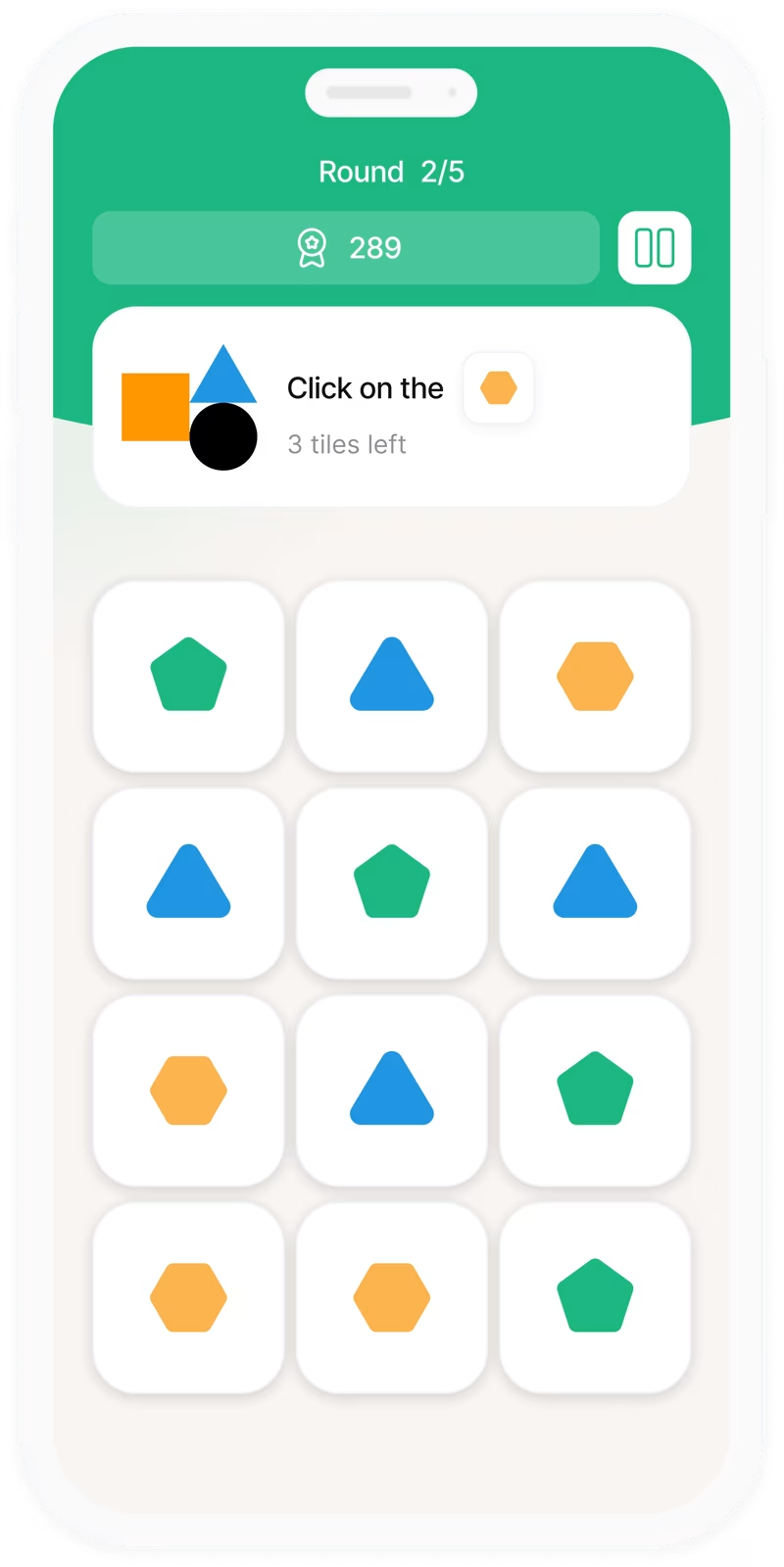
Yes, just as you can strengthen your body through physical exercise, you can also improve your cognitive functions through training. Research suggests that cognitive games targeting working memory and inhibitory control (the ability to think before you act) can be effective for enhancing academic performance [2].
The place where you study matters. If you know you get distracted easily, you probably don't want your phone nearby, the TV on, or a messy table in front of you. Make sure you're working in an organized, distraction free, and study friendly space.
Remember, just like tools, not every strategy will fit every situation, and that's okay as long as you have enough tools to choose from so you can adapt depending on the task, your energy, and your academic goals.

Whether you're here to focus better, calm your mind, or just feel a little more in control, we’re here to support you. One game at a time.