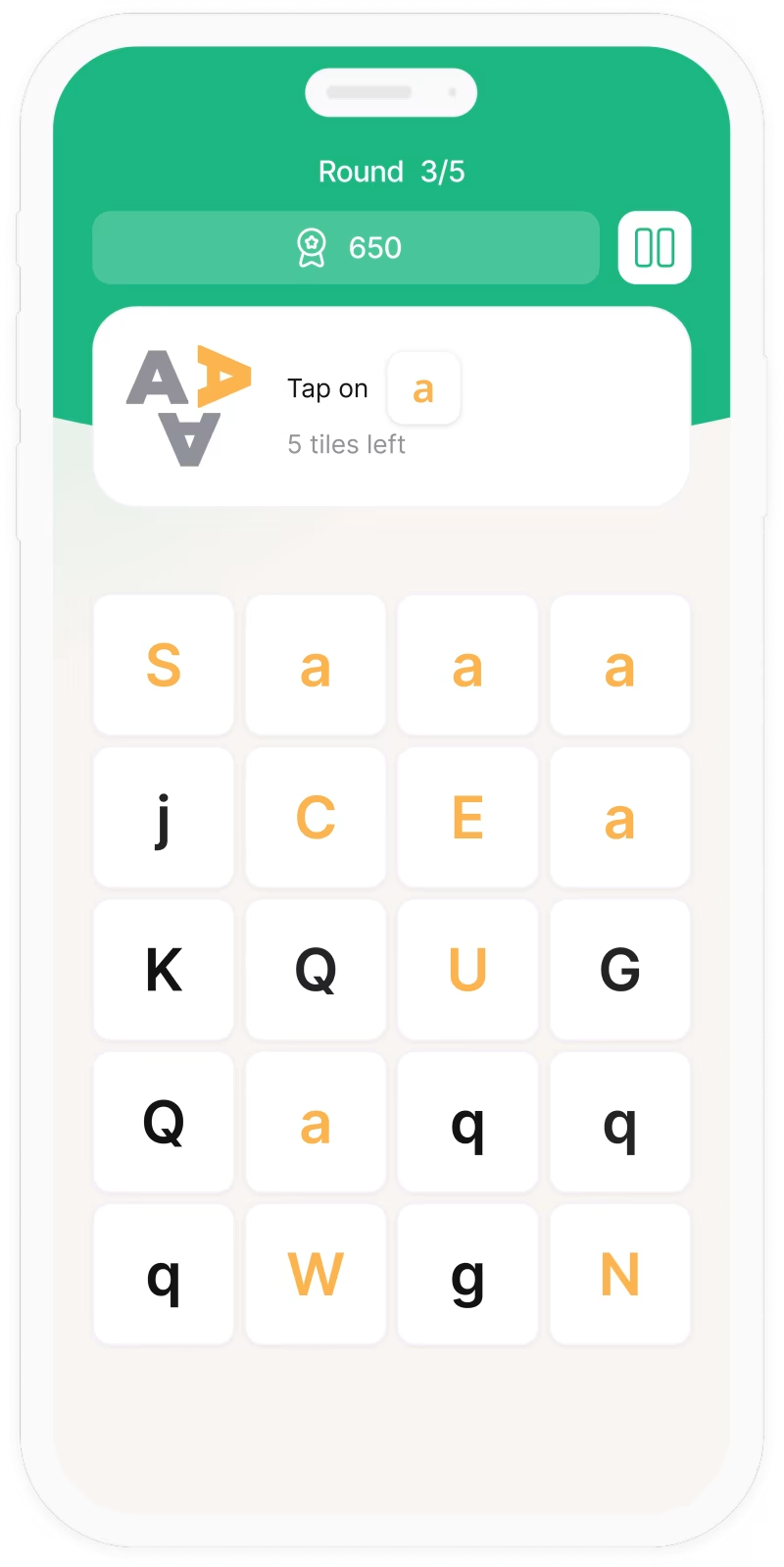
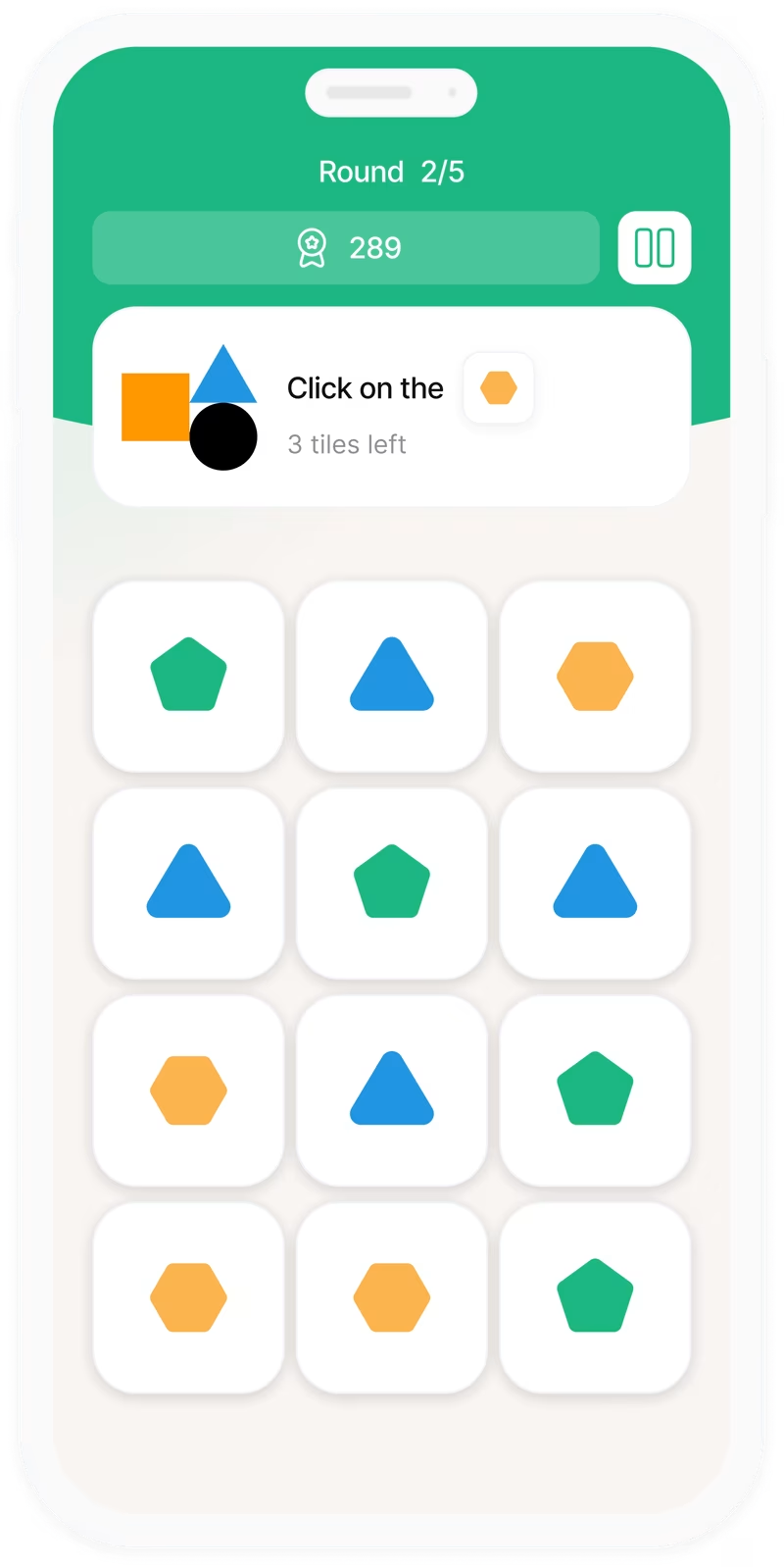
Playing games is often seen as a child’s activity: children need to play to explore their world, learn how things work, and understand how to relate to others. From the moment we are born, the world becomes our playground!
Unfortunately, as we grow older, play is gradually pushed aside. The pressure of being productive starts, and playing starts to feel as "not serious enough", mostly limited to leisure time. Fortunately, technology, and especially mobile applications, have begun to challenge this belief.
While games were initially designed mainly for entertainment purposes, the concept of serious games has started to gain some recognition... and thankfully so!
Unlike traditional games, the purpose of serious games goes beyond playfulness and entertainment (1). They are usually built to train the users on a given topic, helping them learn new skills, or strengthen existing ones. They're built to produce cognitive and/or behavioral changes.
Here are some areas where serious games have proven to be effective:
But what about ADHD?
Medication is often used to manage ADHD symptoms, but some people may struggle with adherence and misuse, experience unwanted side effects, or prefer alternative long-term strategies.That's where cognitive games come in!
In recent years, experts have started to study how technology can support people with ADHD, from diagnosis to intervention, using tools such as mobile apps, virtual reality, and computer-based games (6).
The results are promising and suggest that serious games can help improve key cognitive, social and emotional skills in individuals with ADHD. These include attention, working memory, executive functions (e.g. self-control, planning, or problem-solving), social skills, and emotional regulation. All of these have a direct impact daily life, learning, and social relationships (6)(7)(8)!
How Does Gamification Work?
Mobile apps and games are often considered effective tools for individuals with ADHD because they are comfortable, flexible, and very easy to access, making them affordable and practical intervention options. After all, most of us carry a mobile phone at all times, don't we?
However, one of the reasons why serious games are so effective is because of their use of gamification principles. By applying game-related elements such as points, levels, feedback, and/or rewards, serious games keep users engaged and motivated as they work toward their goals. Through gamification, activities that might otherwise feel repetitive or demanding become more engaging, enjoyable, and even fun.
Here are some of the gamification elements that make serious games fun and effective:
By combining science, technology, and play, serious games turn cognitive training into an engaging experience that fits seamlessly into everyday life. Rather than replacing existing treatments, they serve as a valuable complement, helping individuals continue improving skills and managing symptoms. Finally, remember that like any tool, they work best when used thoughtfully and in balance with other healthy habits!

Whether you're here to focus better, calm your mind, or just feel a little more in control, we’re here to support you. One game at a time.