Ever started three hobbies at once: painting, guitar, coding, only to abandon them when you didn't master them immediately? Or found yourself doom-scrolling for hours, chasing one more hit of interest? These aren't just "bad habits". They reveal something fundamental about the ADHD brain, a brain wired for novelty, stimulation, and reward.
Behind these behaviors lies one powerful molecule: dopamine. It's the neurotransmitter that fuels motivation, focus, and that satisfying sense of "I did it". But in ADHD, dopamine doesn't behave quite the same.
For years, ADHD was blamed on a "dopamine deficiency". But newer studies show it's not about having less dopamine, it's about how it’s regulated [1]. The ADHD brain struggles to maintain steady dopamine release in the prefrontal cortex and striatum, regions key for motivation and attention.
That means everyday tasks (emails, dishes, deadlines) don't trigger enough dopamine to hold attention. Yet when something is exciting or novel such as a new project, an intense conversation, a creative idea, dopamine surges and hyperfocus kicks in.
A recent study found that people with ADHD show reduced dopamine response to anticipated rewards [2]. This creates a "reward gap", where the brain constantly seeks stimulation to feel balanced. It's why many with ADHD hop from one idea to another, start big projects without finishing, or scroll endlessly for that next micro-hit of interest.
Paradoxically, this same trait fuels creativity, curiosity, and adaptability which is why people with ADHD thrive in dynamic environments.
Medications like methylphenidate don't flood the brain with dopamine, they stabilize how it's released and received, helping attention networks communicate better [3]. Non-medical strategies like breaking tasks into smaller chunks, creating variety, and adding novelty to routines also help engage dopamine naturally.
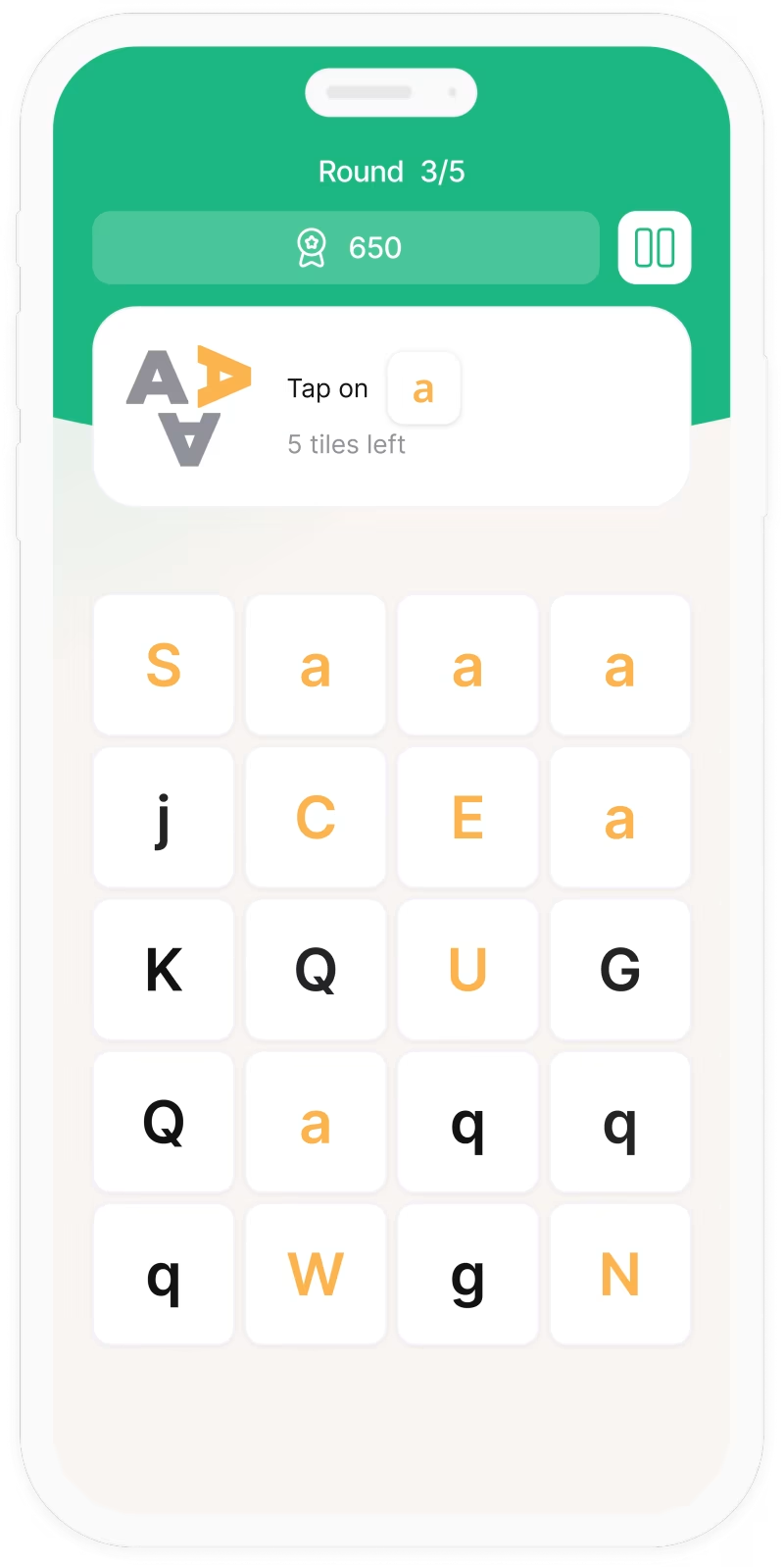
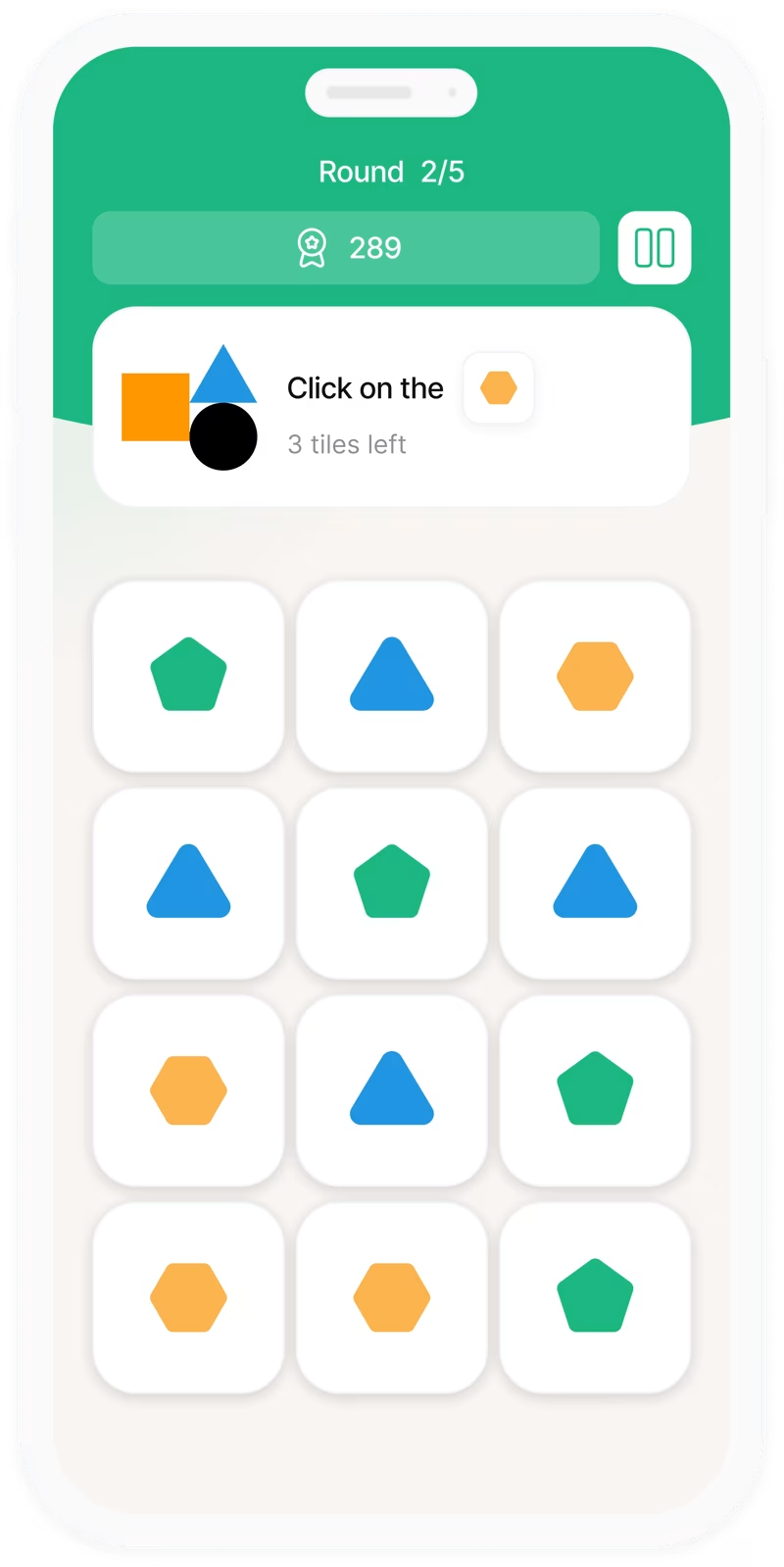
Cognitive training programs, particularly gamified ones, train executive functions like focus, memory, and processing speed through structured, interactive challenges that provide instant feedback and small rewards. Unlike passive scrolling, gamified cognitive tasks actively teach the brain to sustain attention and regulate impulses. One recent study shows that cognitive training particularly those focused on memory increase neural plasticity and restore aberrant functioning in adults with ADHD [4].
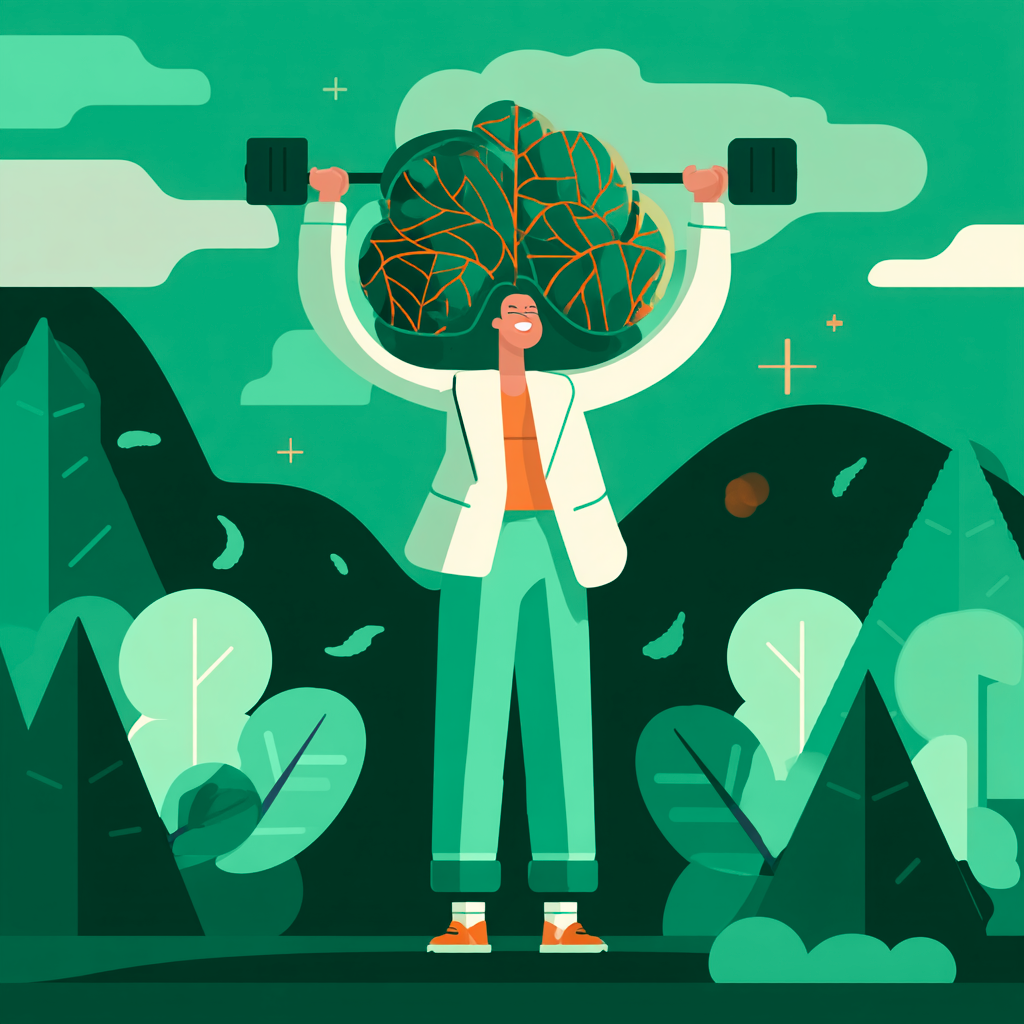
Understanding dopamine shifts the narrative. ADHD isn't a failure of willpower, it's a difference in how the brain processes reward. The goal isn't to suppress that drive for novelty but to channel it, turning curiosity, passion, and creativity into focused energy. Also, you can train your attention, memory, and executive functioning through cognitive training (it is not a fix all but it can help you in learning how to channel all that restless unfocused energy).

Whether you're here to focus better, calm your mind, or just feel a little more in control, we’re here to support you. One game at a time.