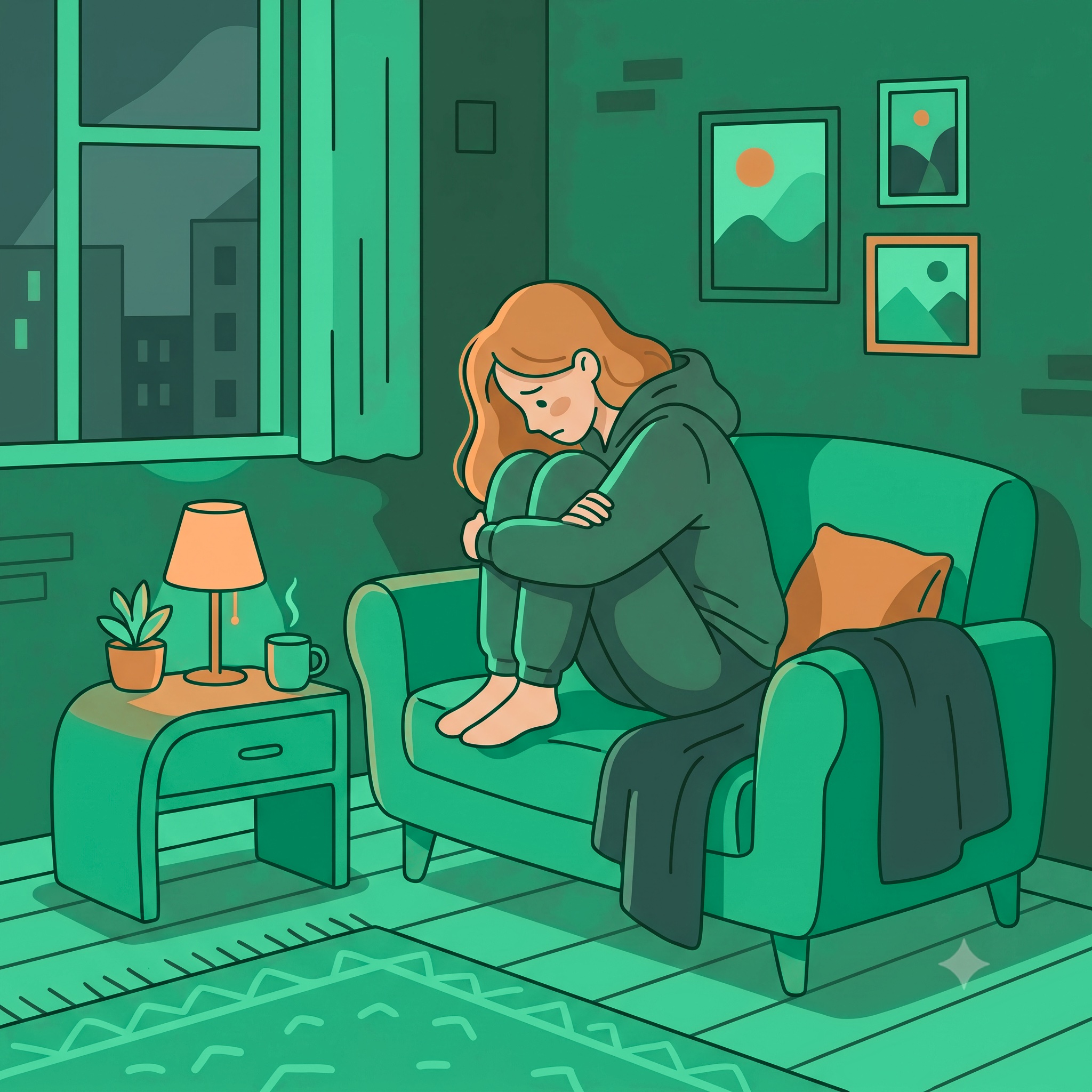
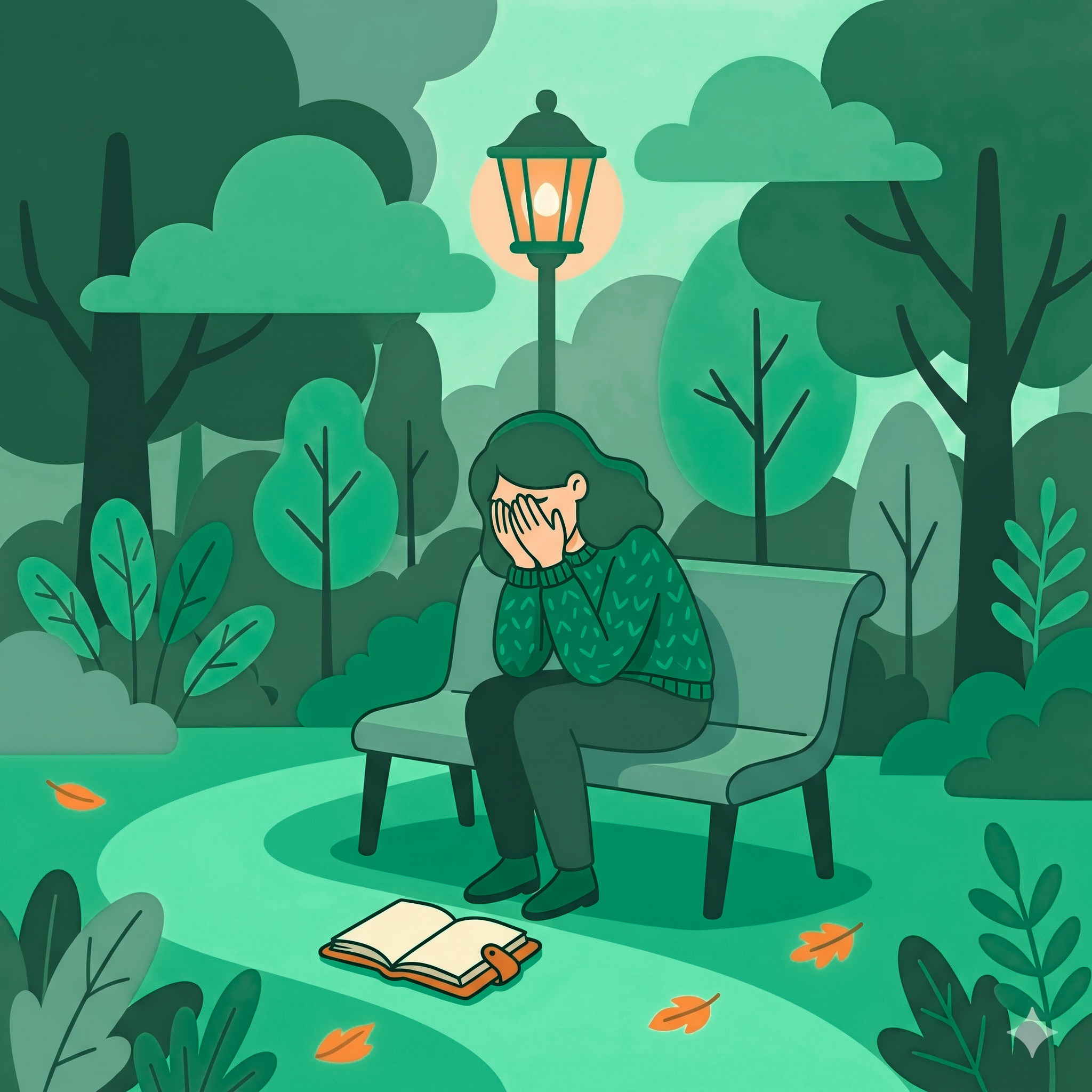
Anxiety, that draining and unpleasant whole-body experience that makes us feel worried, threatened, and incapable of dealing with whatever catastrophic thing we think is coming our way.
Our body goes on full alert, and it feels as if our heart will beat its way out of our chest. It becomes difficult to concentrate, and our self-talk can turn very negative ("I'm doing it all wrong", "I'm gonna fail", etc.).
Although it can be useful in certain situations (it has helped our species survive and adapt), anxiety is sometimes triggered when there is no real threat or immediate danger for us; something ADHDers might be very familiar with.
Even though anxiety is a very common experience for ADHDers and neurotypicals alike, the experience might hit harder if you have an ADHD diagnosis.
This relationship between anxiety and ADHD is well supported and documented, with research suggesting that individuals with ADHD experience higher levels of anxiety and are more likely to develop an anxiety disorder compared to their non-ADHD peers [1] [2].
In adulthood, the combination of ADHD and anxiety is often associated with a greater tendency toward anger, a more severe presentation of ADHD symptoms, increased anxiety in social situations, lower overall functioning (e.g., in academic or work settings), and, in more severe cases, a higher risk of suicidal ideation [3].
The short answer is: no, there’s no evidence that ADHD causes anxiety.
However, it might create the conditions that make anxiety more likely to develop, which means that ADHD symptoms can sometimes predict the existence of anxiety-related symptoms down the line [1].
The reasons behind this relationship are not yet fully clear. Current hypotheses suggest: a shared genetic component; common underlying mechanisms, or another highly plausible explanation: that negative experiences associated with ADHD may create the conditions for anxiety symptoms to develop [1].
Think about it this way:
If, as a child with ADHD you were exposed to rejection from peers or teachers, the feeling of never doing enough, your parents’ frustration, accusations that your struggles were due to laziness or lack of effort, constant fear of making mistakes, and the pressure to mask your symptoms (and who you are) to fit in, then yes, anxiety might knock on your door eventually.
Additionally, some of the executive function deficits typical of ADHD, such as the difficulty with emotional regulation or inhibition, make it harder for ADHDers to cope with daily life stressors, contributing to the development of anxiety symptoms
Are you doomed to experience anxiety if you have ADHD?
Not necessarily. At least not more than your non-ADHD peers, as long as your support systems (family, school,...) help you prevent it and respond to your needs early on. Prevention is key.
Get to know yourself: If, as an adult, you still experience anxiety, remember that it is a common and often expected response to many situations. Building awareness to understand what is triggering it, whether there is a real threat, and whether your reaction fits the situation is key.
Find your own resources: Even if anxiety is sometimes expected, if it feels too overwhelming, learning anxiety management techniques, such as deep breathing, can help. There are also many digital (app-based) interventions designed for this purpose, and research suggests they can also be beneficial [4] [5].
Social support & Lifestyle: Surrounding yourself with a loving, caring, and supportive network of people can help you better cope with anxiety. Lifestyle changes, such as engaging in regular physical activity, are also effective ways to cope and reduce anxiety symptoms [6].
Dealing with anxiety can feel challenging, but this is not something you have to do on your own. If you have tried it all and still find yourself struggling, we encourage you to seek professional support. Anxiety can be managed with the right guidance and support!

Whether you're here to focus better, calm your mind, or just feel a little more in control, we’re here to support you. One game at a time.