As an adult with ADHD, you’re probably familiar with procrastination: that invisible wall that makes it hard to initiate tasks and leaves you stuck and dreading them for hours (or days!). Unfortunately, procrastinating can make us feel guilty for not be doing what we are supposed to be doing, and people around us are not always helpful, mistaking procrastination for laziness or a lack of willpower.
But we know that is not true. While procrastination is common for many people, it is especially prevalent among individuals with ADHD [1], and it can significantly affect both wellbeing and day-to-day functioning in school and work related environments.
Procrastination is often a result of underlying challenges with executive functions such as attentional control, self-regulation, working memory, or inhibition [2]. When these processes are weakened (as is often the case in ADHD brains), starting and completing tasks can feel almost impossible despite of us knowing how important these tasks actually are (this is why working on that job report can feel so difficult even though your boss has asked for it a few times!).
Here’s where digital therapies come in…
Digital cognitive training tools are built around the principle of neuroplasticity: the idea that the brain can change structurally and/or functionally through practice and new experiences. By repeatedly training these core weakened cognitive and executive skills, cognitive training tools aim to strengthen these processes over time, reducing procrastination as a result and helping you complete those tasks you have on your to-do list!
Procrastination often arises from difficulties paying attention to tasks, especially those that feel boring, overwhelming and/or too challenging, and instead focusing on non-relevant stimuli, whether that is internal (such as daydreaming or intrusive thoughts) or external (like checking your phone!) [3]. Lack of inhibition (the ability to resist certain impulses), such as pausing the task to go get a snack, is also a classic contributor to procrastination.
Does any of them sound familiar to you?
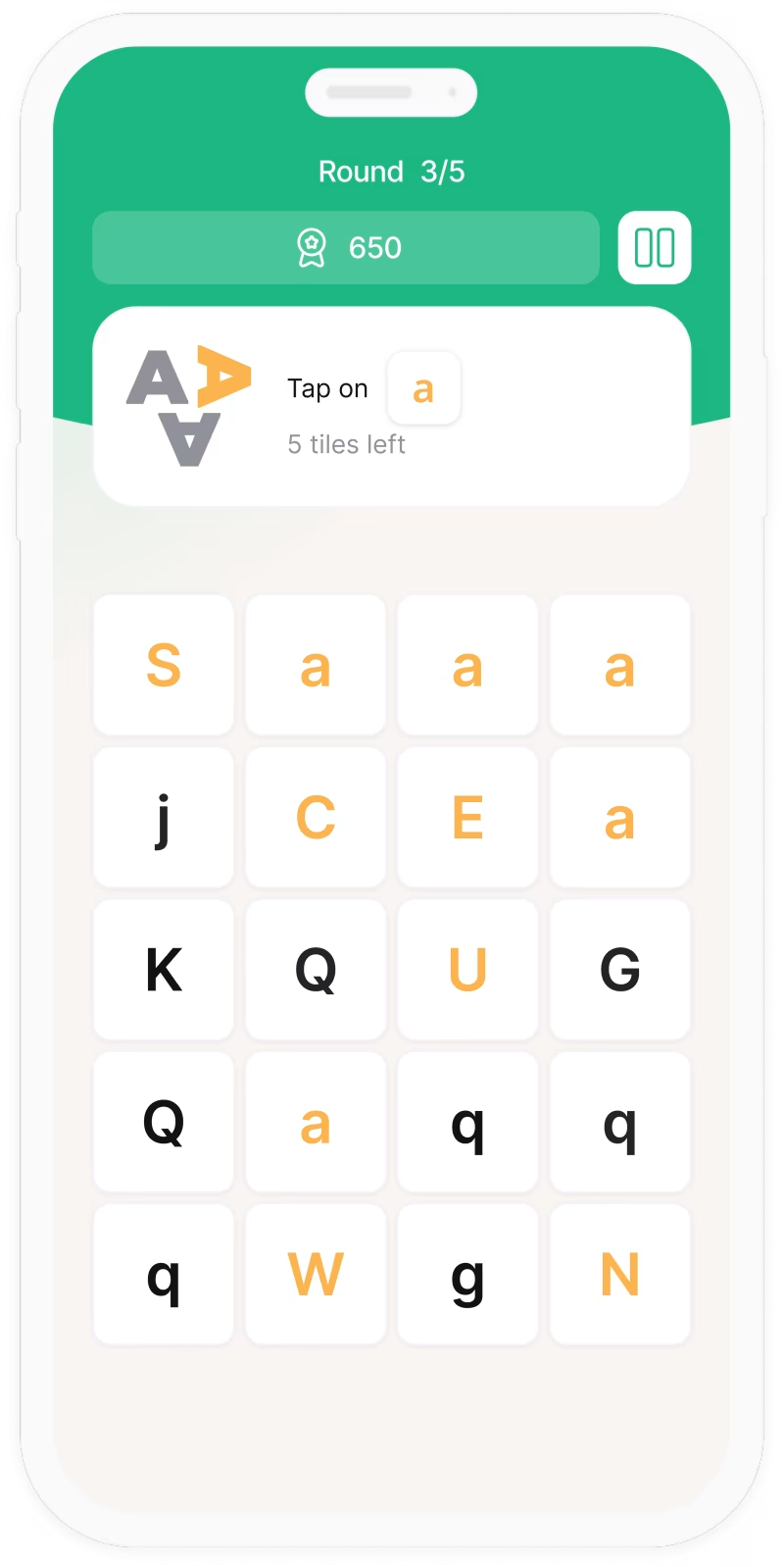
Cognitive training uses fun and engaging games to strengthen attentional control neural networks, helping you resist distractions and focus on task-relevant information only. By improving your ability to direct and sustain attention on what really matters while inhibiting other responses, this type of training supports task initiation and increases the likelihood of following through until the task gets done.
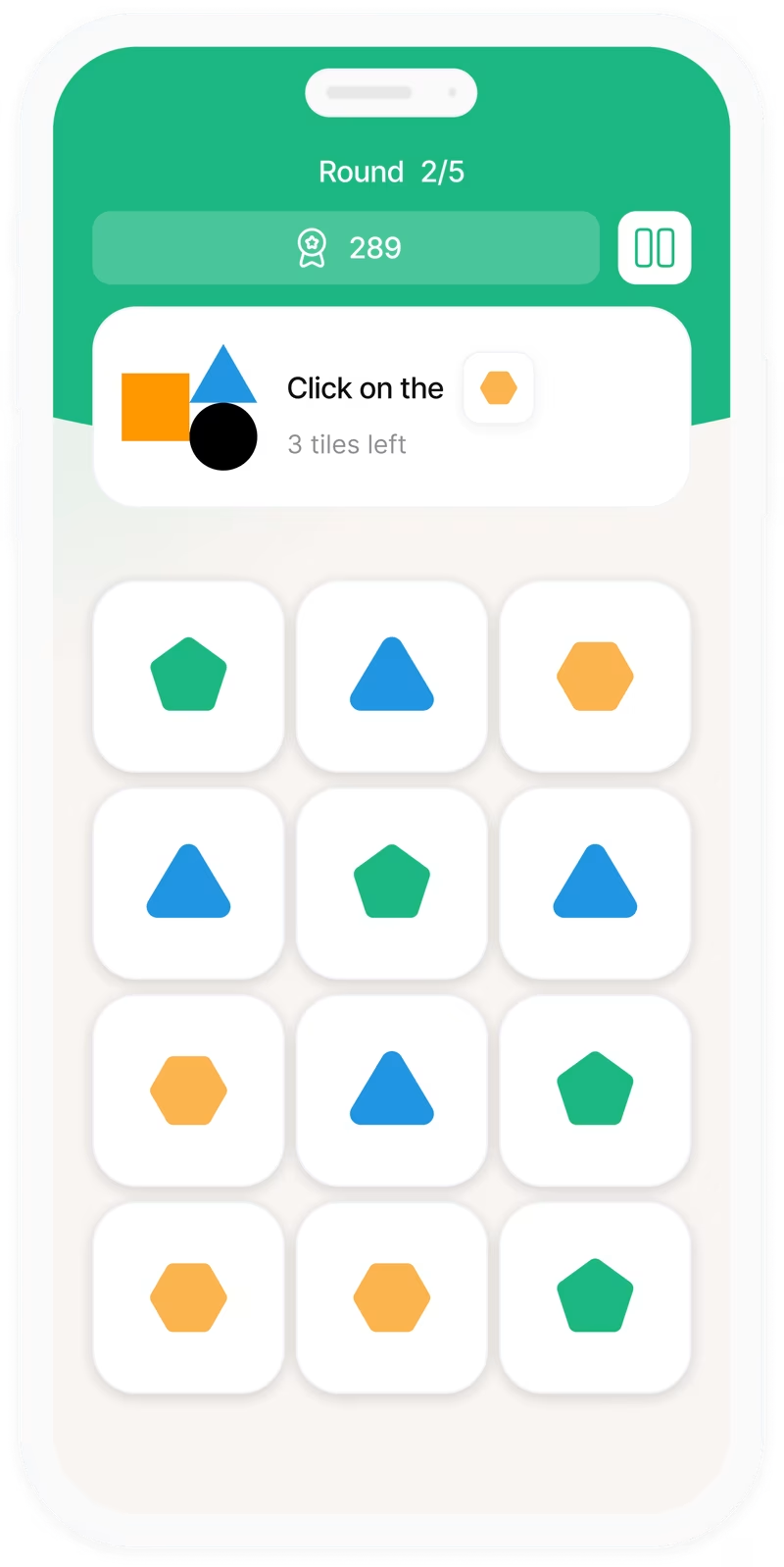
The ability to categorize information by organizing and grouping it based on relevant criteria is key for task completion. When your ideas, timelines, and next steps are clear (you know what you need to do, when, and in what order), it becomes easier to get started, and tasks no longer feel too overwhelming or fuzzy.
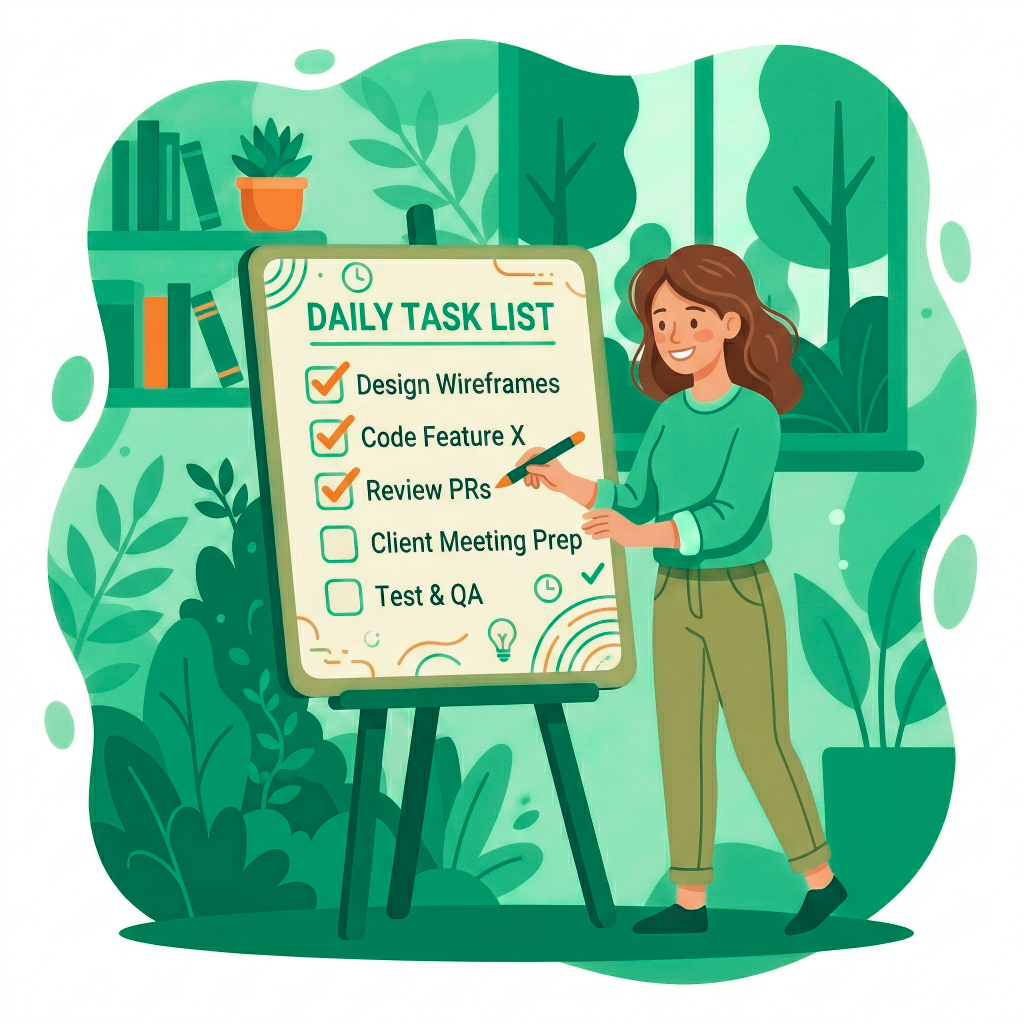
Cognitive training that helps you organize tasks and set clear, sequential steps can be especially helpful when facing tasks that feel huge or unmanageable. By learning to categorize, you can break larger tasks into smaller chunks, making them feel more achievable and easier to start.
As you can see, procrastination is not a personal failure and definitely does not mean you are lazy, even if others have ever made you feel that way. Instead, it’s a sign that your brain may need a different type of tools and support. Cognitive training can help provide those tools by strengthening the skills involved in starting and finishing tasks (i.e, attentional control and self-regulation).
At Propel, we encourage you to explore cognitive training alongside any other support you may need, such as therapy or medication, as part of a complete and comprehensive approach to help you beat procrastination and get your tasks done!

Whether you're here to focus better, calm your mind, or just feel a little more in control, we’re here to support you. One game at a time.