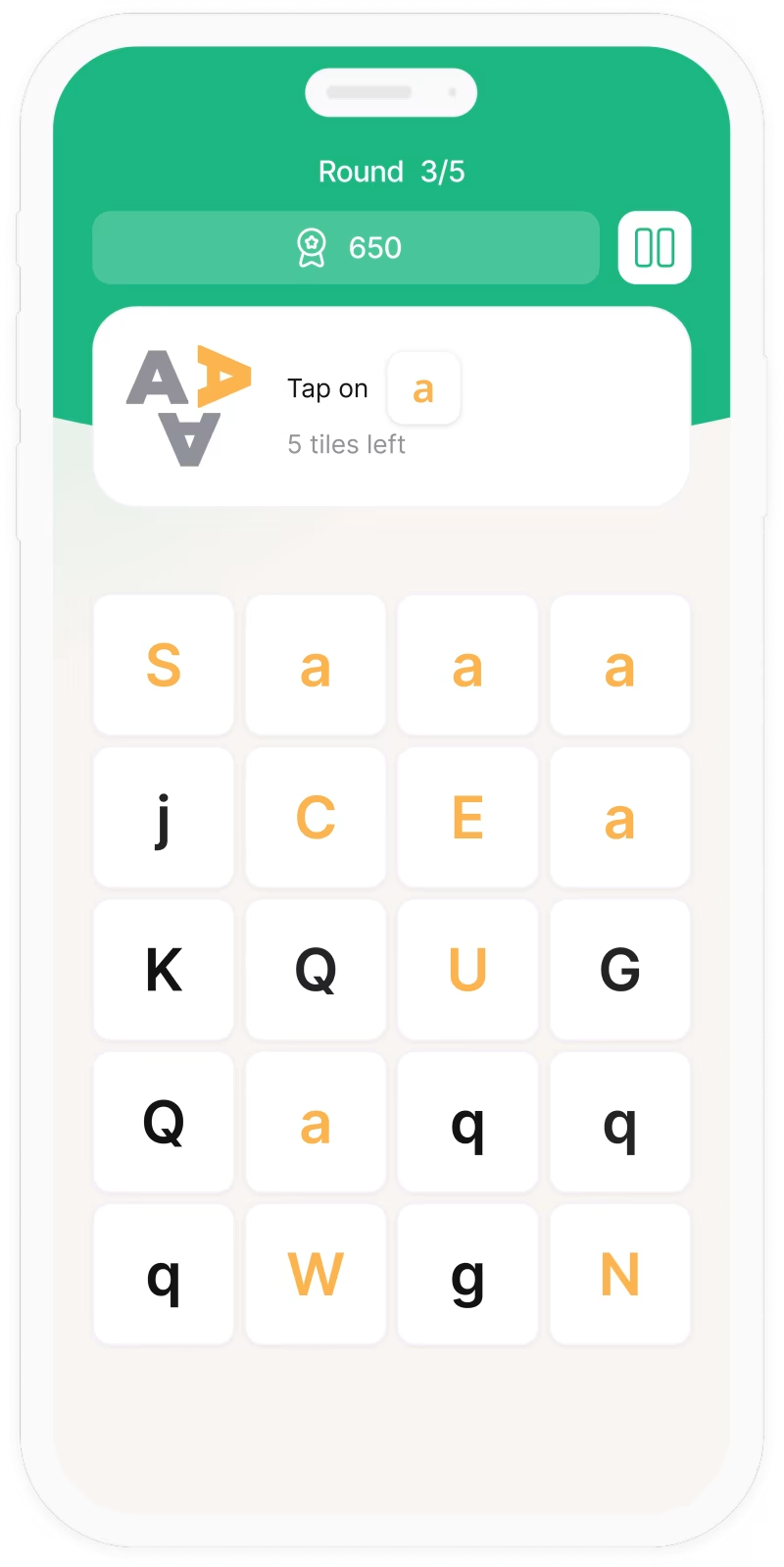
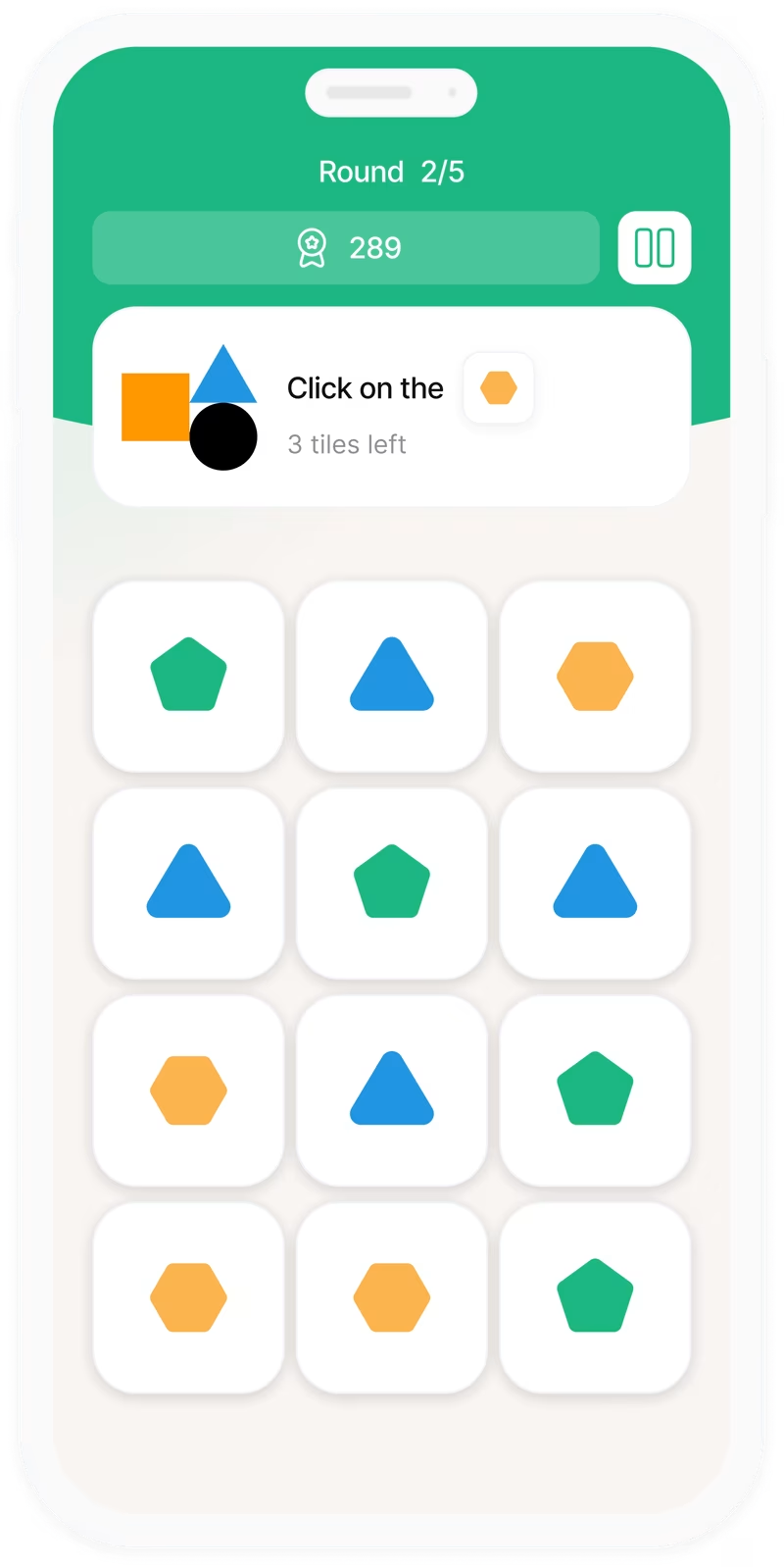
Attention often gets treated like a personality trait, you either have it or you don’t. But science tells us that that's not the case.
Attention is a cognitive skill, supported by brain networks that can change with practice. This ability of the brain to adapt is called neuroplasticity, and it’s the reason attentional training works [1].
At the center of attention and focus are three key systems and those are also the focus of any program enhancing attention:
These are inter-related processes largely controlled by the prefrontal cortex and parietal networks, with dopamine playing the main role in their regulation [2].
Attentional training involves structured mental exercises designed to repeatedly activate these attention networks. Repetition, though it might sound boring, is the key factor here.
Why repetition matters: when a neural circuit is activated again and again, it strengthens. They say neurons that fire together, wire together. Brain imaging studies show that attention training can lead to functional and structural changes, especially in areas linked to executive control [3].
As suggested, worksheets can tire one out and are at times too wordy. And enjoyment isn’t fluff, it’s neuroscience. For ADHDers, it is even trickier, considering that their main challenge is related to attention regulation.
Motivating tasks activate the brain’s reward system, increasing dopamine, which directly supports attention and learning. This is why game-based cognitive training consistently outperforms boring drills [4]. Also, game-based training offers a lot of features such as structured instant feedback, reminders, and leaderboards, which make them more engaging for ADHDers.
Cognitive training won’t magically turn you into a productivity robot. But science is clear and here are the three things to keep in mind:
Your brain is plastic. You just need to train it. Propel is designed to make sure that your training experience is fun and structured.

Whether you're here to focus better, calm your mind, or just feel a little more in control, we’re here to support you. One game at a time.