Remember that moment you snapped and said something you instantly regretted? Or that one moment that makes you wish you hadn't acted rashly? We all have those weak moments where emotions take over, no matter how much we try to control them.
It's human, everyone slips sometimes, and that’s okay.
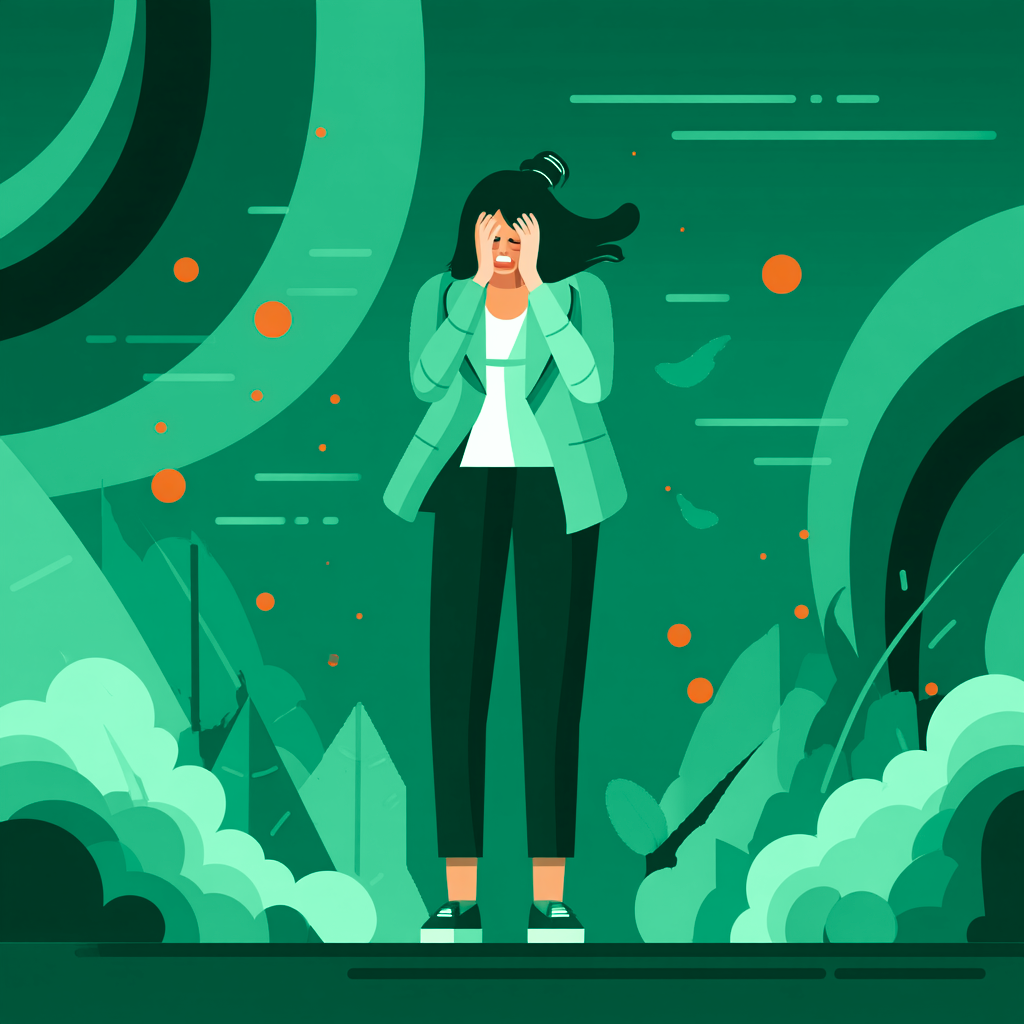
If you have ADHD, meltdowns are more than just "losing your cool". They often feel like an overwhelming flood of emotions, racing thoughts, and physical tension all at once. You might feel suddenly frustrated, tearful, or irritable, even over something very small. Research shows that emotional dysregulation is a core feature of ADHD [1], which explains why what seems minor to others can feel monumental to you.
Physically, your body might tense up, your heart races, or you feel exhausted afterward. It's like your brain hits "overload" and struggles to process everything at once.
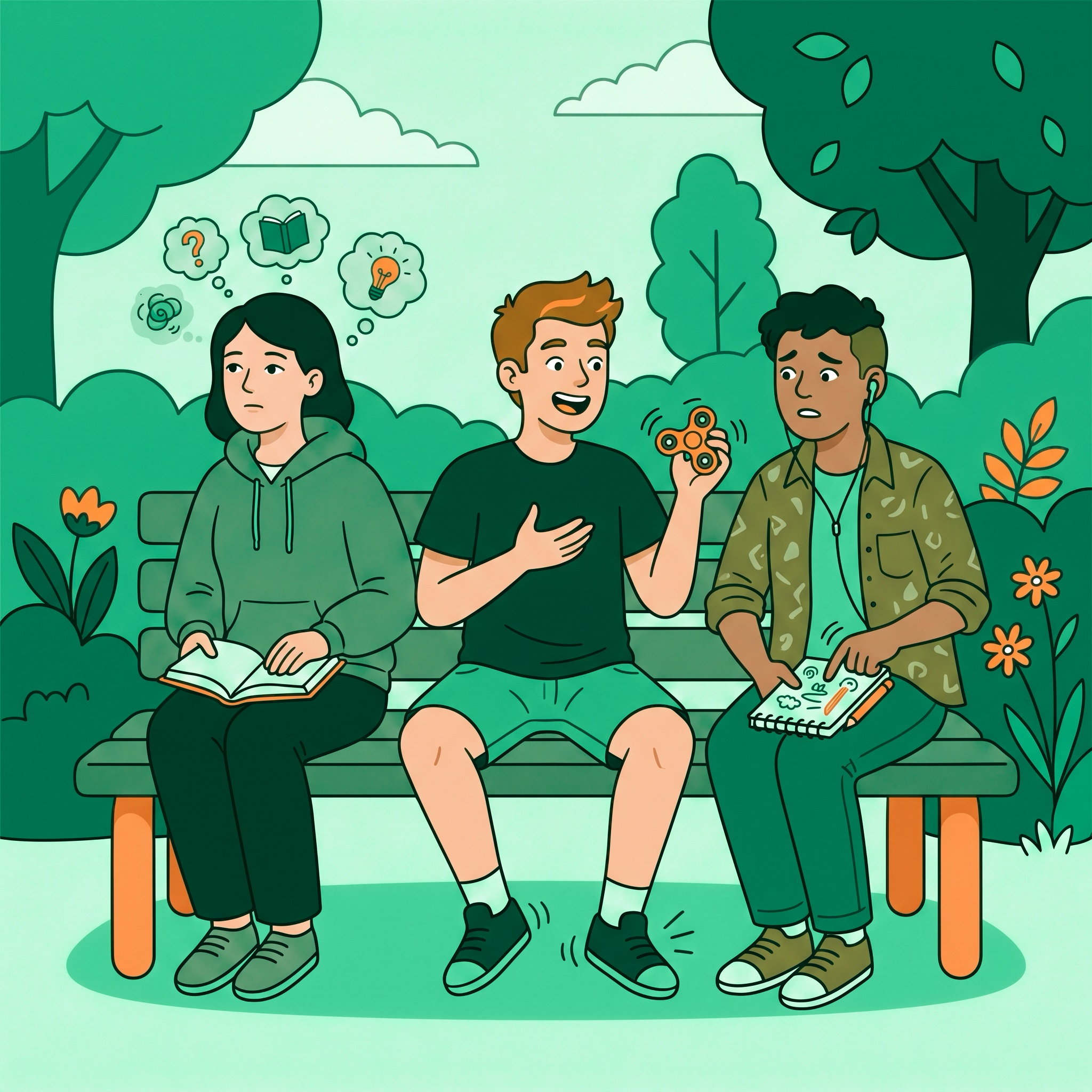
ADHD brains often struggle with executive functions such as planning, emotional control, and impulse management. When demands exceed capacity, the stress accumulates silently until it bursts into a meltdown.
Some common triggers are:
According to recent research, meltdowns in ADHD are a response to overwhelming stimuli [2], and are often observed as emotional expressions and experiences that are excessive in relation to social norms and context. Understanding that your brain is wired this way can help reduce shame and self-blame during these moments. That said, it's something that can be regulated, it's a tendency, not a defining trait.
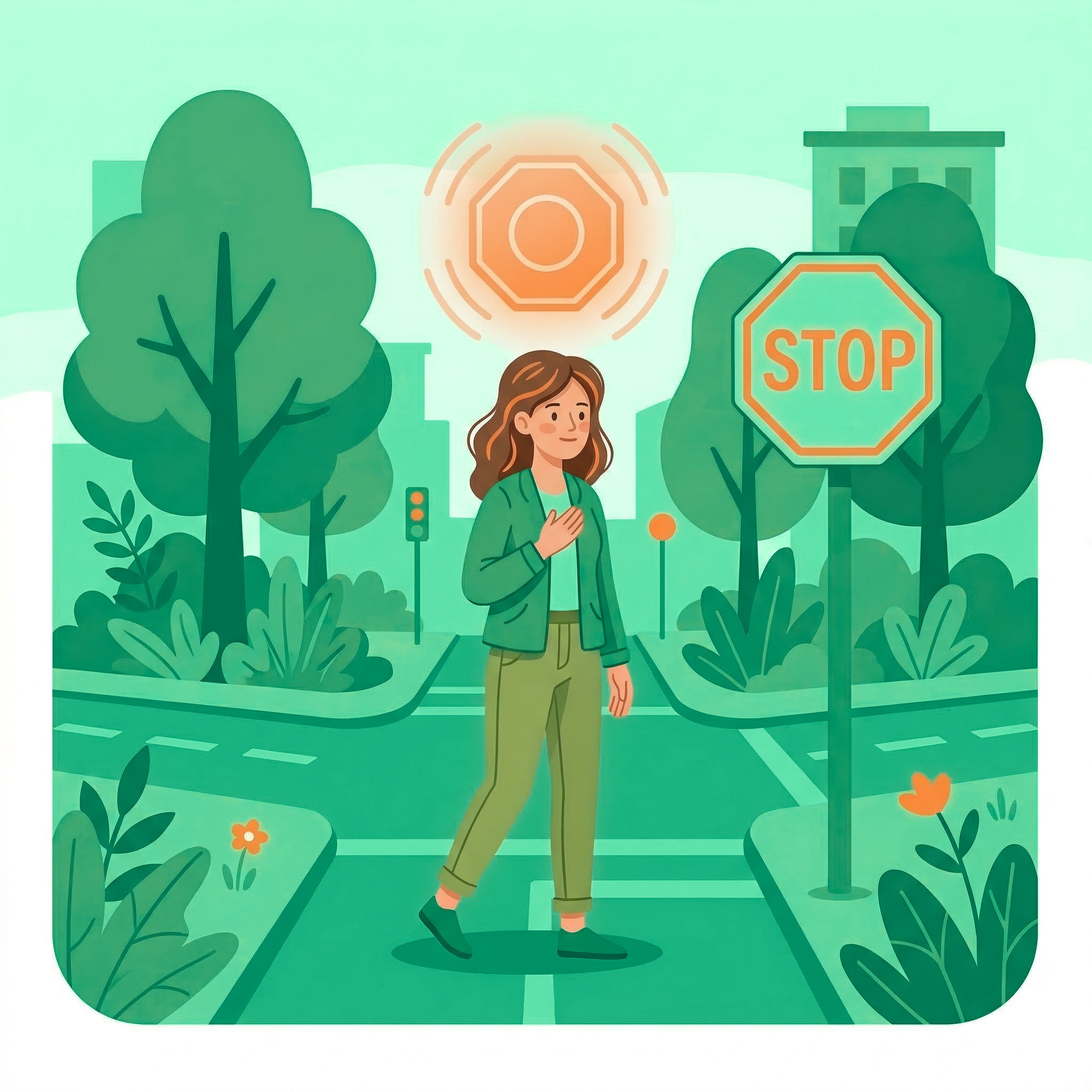
Once a meltdown starts, gentle strategies work best. Know that you need to be gentle to yourself above all. Research shows that mindfulness and self-compassion practices can reduce the intensity and duration of meltdowns [3]. Here are some handy tips psychologists commonly suggest:
Afterward, allow yourself recovery time. These moments are draining, and rest is essential. Also never take an important decision (such as quitting a job, leaving a friendship etc) when you are having a meltdown.
Over time, tracking triggers and effective coping strategies can empower you to navigate meltdowns better. Clinicians have noticed that a lot of ADHDers benefit from social skills training and behavioural therapy [4]. If you are experiencing frequent meltdowns don't forget seeking professional help as those bouts of anger can exhaust you out.
Sharing experiences with supportive friends, therapists, or ADHD communities can provide insight and connection. Remember, meltdowns are not failures, they are signals from your brain that it needs support, understanding, and compassion.
Above all, treat yourself with gentleness. You deserve compassion, most of all from yourself.

Whether you're here to focus better, calm your mind, or just feel a little more in control, we’re here to support you. One game at a time.