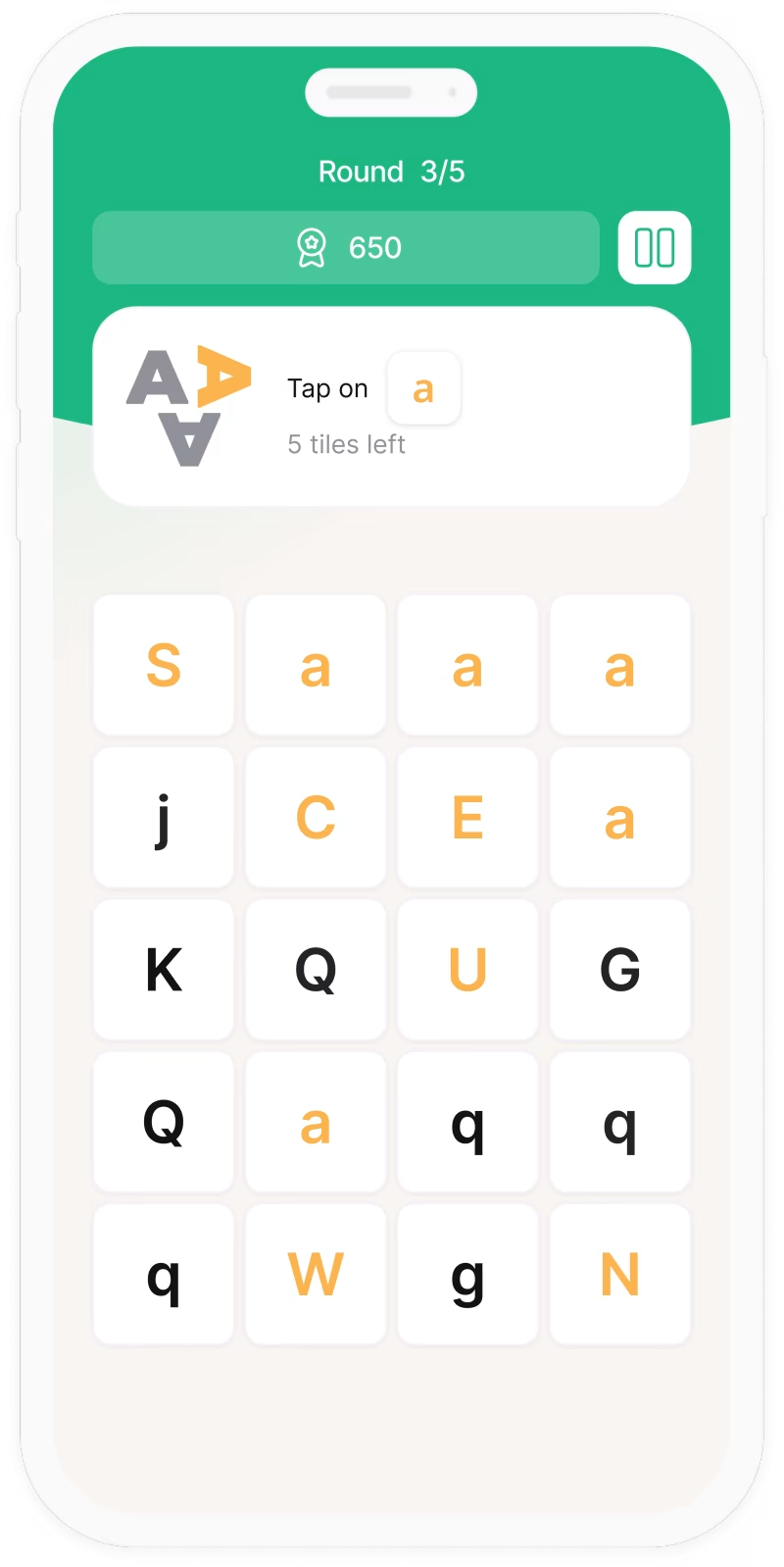
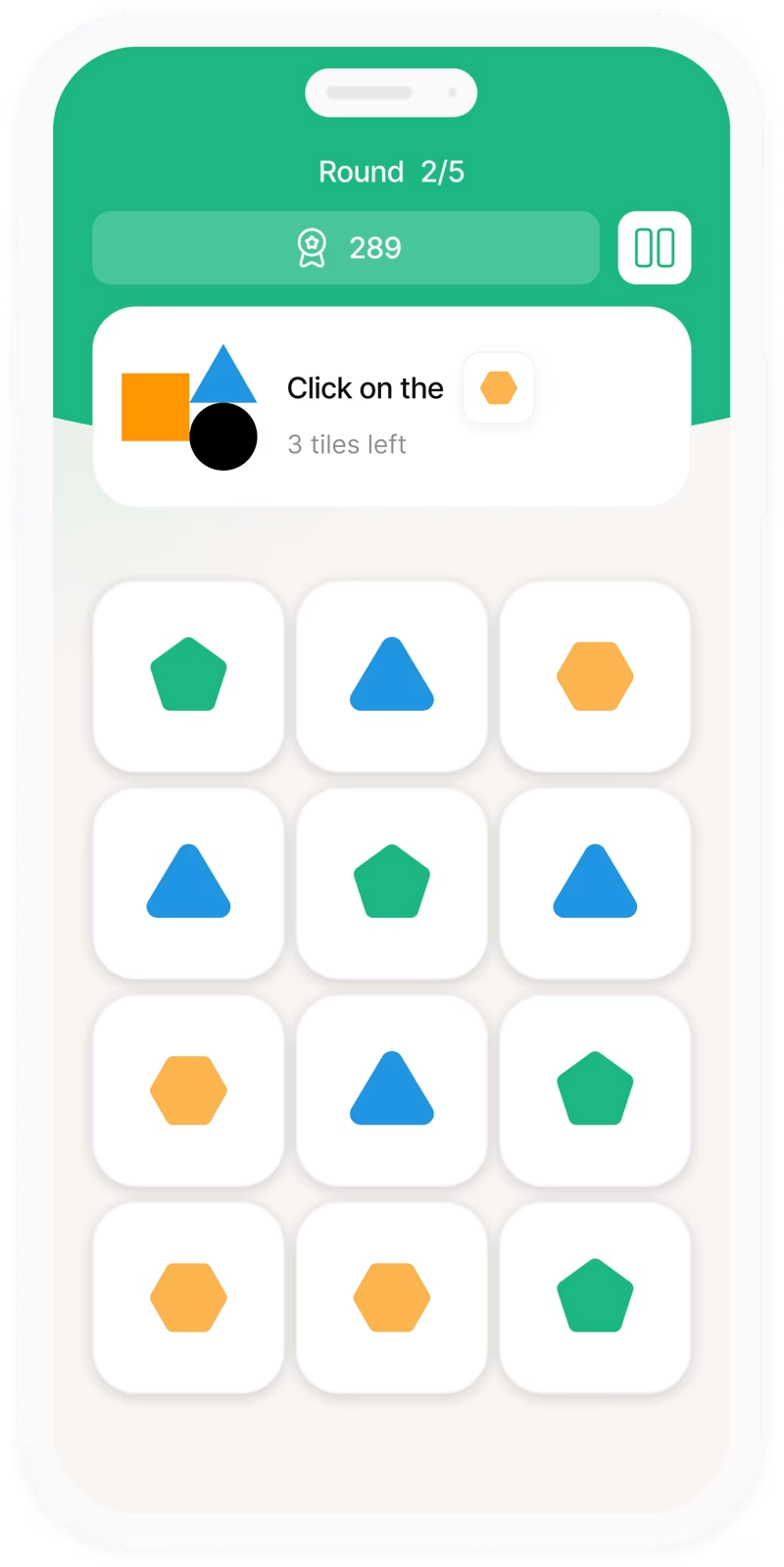
When thinking about ADHD in adults, it’s easy to focus on the classic struggles: difficulty concentrating, time management challenges, or forgetfulness. However, there’s another challenge that has a major impact on life as an adult and it often gets overlooked: inhibitory control!
As an adult, you’re expected to resist impulses in pretty much all contexts and social situations. For example, remaining seated for long periods of time, staying off your phone while working (is this even possible?), or not making impulsive decisions.
If any of these expectations sound like a challenge for you, then you might be struggling with inhibitory control. We want you to know that you’re not alone, and that this is in fact one of the biggest challenges for adults with ADHD.
Today, we’ll try to better understand what inhibition control is, and why it matters in daily life with ADHD.
When we talk about “inhibitory control” or “response inhibition”, we are referring to the ability to pause, think, and choose before acting (sounds easier than it is, right?). This is one of the so-called executive functions, such as planning or prioritizing, and is often impaired in individuals with ADHD [1] [2].
Inhibitory control usually refers to two type of processes [1]:
You’re at the library reading a book when you notice a new social media notification on your phone. You feel the immediate urge to check. You might even start reaching for your phone and suddenly your response inhibition mechanisms activate a kind of mental “pause” button that helps you stop the action and redirect your attention back to your reading.
Your brain cheers: you actually paused before reacting!
Interference control: The ability to ignore distractions around you and stay focused on the task at hand. Interference control is especially relevant when there are irrelevant stimuli around you competing for your attention. This is a very common scenario nowadays in a world full of stimulation wherever we go.
You’re sitting at a coffee house trying to finish a report, but people around you are being very loud and you keep getting distracted by their conversations. Interference control is what allows you to filter out those conversations, reducing their impact on your performance and helping you maintain focus on the task.
If you’re an adult with ADHD, you have probably struggled with this for a long time and might feel hopeless, like your brain is wired this way and there’s not much you can do about it.
Maybe you have tried to “control yourself” or resist your impulses before, especially when teachers or parents asked you to, but somehow it still feels like your brain is always in “act now, think later” mode. This is because response inhibition is not a matter of self-control or willpower.
Now for the good news: you can strengthen your inhibitory control. Thanks to neuroplasticity, our brains are more adaptable than we can even imagine!
Research suggests multiple roads to inhibitory control strengthening, such as physical activity and meditation [3] [4], which are great options, not just for symptom management but also to support a healthy lifestyle.
Lastly, there’s another very promising option called cognitive training. It refers to a structured plan of mental exercises designed to improve specific cognitive skills, such as attention, memory and/or impulse control, by targeting the brain areas involved in such processes. Think about it as a gym for your brain.
Recent research with individuals with ADHD symptoms show that consistent cognitive training can be effective at improving ADHD related symptoms [5] [6], including inhibition control.
If you’re wondering where can you find cognitive training options available, then you will be happy to know that thanks to technology, cognitive training is accessible for everyone. There are now multiple apps and digital programs that allow you to train cognitive skills in a practical and structured way.
Struggling with inhibition doesn’t mean you’re permanently broken, it means your brain works a bit differently than neurotypical brains, but this doesn’t mean you’re doomed!
With the right strategies, support and consistent practice, inhibitory control can improve over time. For this purpose, cognitive training is your ally!
Your brain is adaptable and progress is absolutely possible.

Whether you're here to focus better, calm your mind, or just feel a little more in control, we’re here to support you. One game at a time.