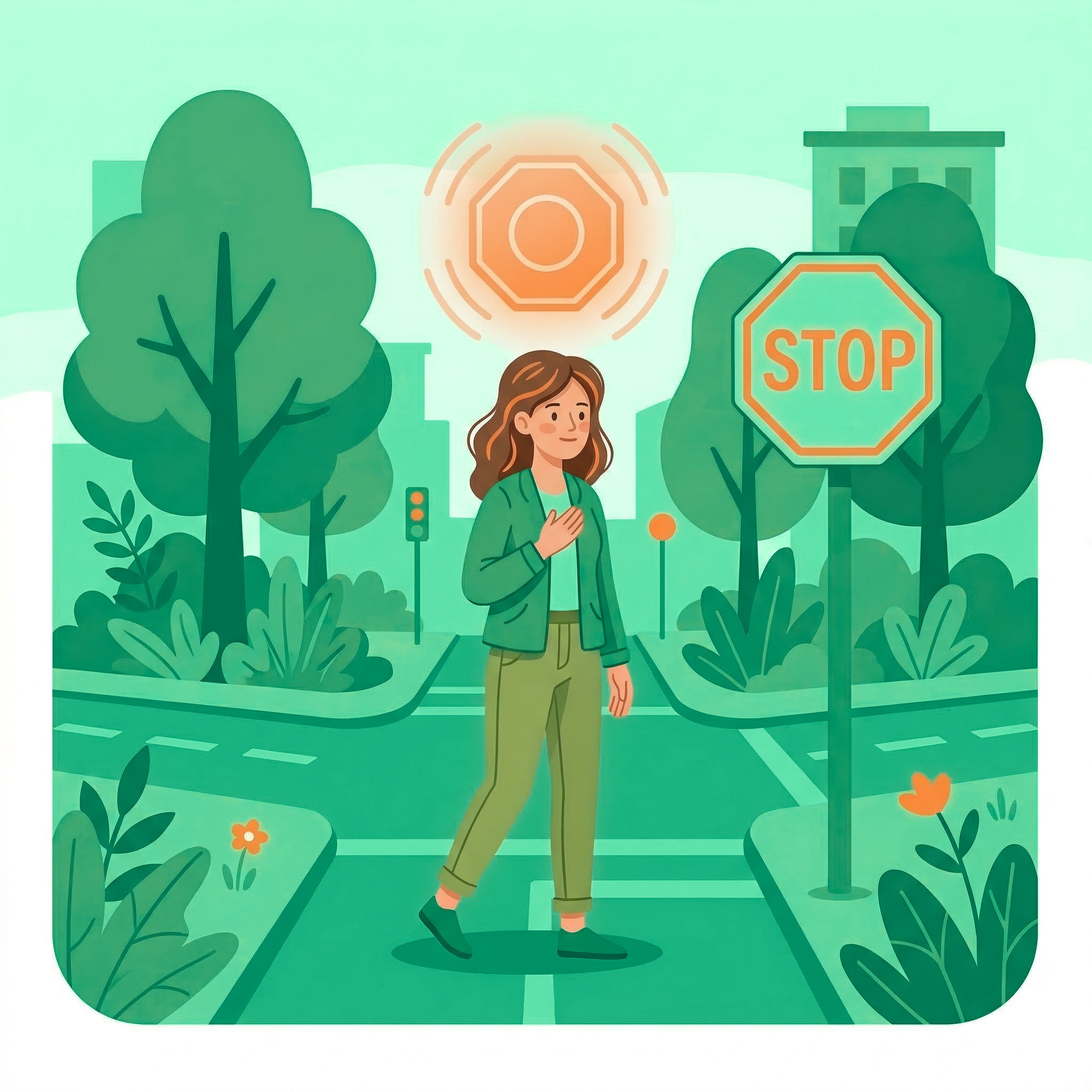
Why ADHD Brains Hyperfocus and How to Master the Power of the Deep Dive

Veronica Sanchez
April 12, 2026

3min read

As an ADHDer, you've probably spent most of your life hearing your parents and teachers complain about how you can’t focus on what you’re doing. To be honest, you've likely experienced that yourself a few times. 

  • You started to read, only to lose focus after a few seconds. 
  • You're enjoying a pleasant conversation with your friend but get distracted a few moments later by whatever is happening around you (or even by your own thoughts!).

So how come sometimes you have this strange experience of being completely absorbed in what you're doing? As if the whole world could fall apart around you but your focus would remain untouched?

How is it possible to have ADHD and still experience such intense levels of focus at times?

If you've ever wondered about this, then you're in the right place. What you're describing is usually labeled as “hyperfocus”.

The Other Side of ADHD: Hyperfocus

We have heard all our lives that people with ADHD are incapable of focusing, which is why the experience of hyperfocus can sound contradictory. But the truth is that ADHD brains are not incapable of focusing; they simply struggle with focus regulation (what you focus on, for how long and when to shift it).

Hyperfocus refers to those moments when you get completely absorbed in something you find interesting or fun during a relatively long period of time [1]. During these periods, it feels as if the world around fades away. You lose track of time and might not be aware of what's happening around you. At the same time, you often perform really well on the task at hand, and it can feel like you're "in the zone" and doing everything perfectly [2].

In summary: it can be a very pleasant experience. 

Is Hyperfocus a good thing? 

Hyperfocus is a double-edged sword. 

On the bright side, it can sometimes lead to highly productive work if the task you are working on is aligned with your work or academic goals. [1].

However, when the task you’re hyperfocusing on is not relevant to your work or academic pursuits (which can be the case with hobbies, creative activities, or video games), hyperfocus can instead lead to missed deadlines, social isolation, and the neglect of self-care and other responsibilities [1] [3]

Is Hyperfocus Affecting You?

Now that we recognize hyperfocus as one more ADHD related trait, we can take some time to reflect on the impact it has on our lives by answering some questions: 

  • Have you experienced hyperfocus? 
  • What type of activities make you feel this highly absorbed and focused? 
  • Do you sometimes forget to eat, sleep, or take a bath when you’re working on something you enjoy?
  • Is hyperfocus helping you achieve your goals, or is it getting in the way of them?

If your answers suggest that hyperfocus is negatively affecting your life, then you better stick around for the next section… 

How to take advantage of Hyperfocus

  • Set reminders and alarms: Since hyperfocus can make you lose track of time, setting reminders or alarms is a useful way to “break” the hyperfocus flow and know when it's time to switch your attention to other relevant tasks.
  • Understand your Hyperfocus activities: Once you know what type of activities you tend to hyperfocus on, then you can intentionally schedule them during times that don’t conflict with other important tasks (such as studying or sleeping), or afterwards as a way to reward yourself once the main task is completed. 
  • Align Hyperfocus with academic & Professional Paths: Research suggests that joyous activities can counteract the negative effects of inattention on academic or professional performance in individuals with ADHD. This means that choosing academic subjects or career paths that align with the activities where you usually hyperfocus can help you perform better and stay engaged for longer [4]

Although hyperfocus is kind of a new thing in ADHD research, it’s a very common experience for many ADHDers. The key is learning to recognize when it happens, which activities trigger it and becoming aware of how it affects your daily life. 

Hyperfocus is almost like an ADHD superpower: when used intentionally, it can shift from a potential obstacle into a powerful tool to find joy, productivity and personal fulfillment.

Share this post
Veronica Sanchez
Scientific Advisor

Gain control over your cognitive hurdles

Whether you're here to focus better, calm your mind, or just feel a little more in control, we’re here to support you. One game at a time.

Related posts

Liked this article? You might also enjoy these related posts!

Understanding Inhibitory Control in Adult ADHD

Inhibitory control is the "mental pause button" that allows us to choose our actions instead of just reacting, and while it's a common ADHD hurdle, it is a trainable skill that can be strengthened through neuroplasticity-based cognitive exercises.
Learn more

Exploring Common Features and Co-occurring Conditions (Part 2)

ADHD rarely exists in isolation, frequently overlapping with autism (AuDHD), learning disorders, tics, and sleep issues to create a complex neurodevelopmental landscape that requires a holistic approach.
Learn more

Why diagnosis is important and how it can help having it

Why receiving an ADHD diagnosis, early or late, can change the course of someone's life by bringing clarity, support, and self-understanding.
Learn more

Adult ADHD diagnosis (late diagnosis, gender bias, masking…)

Why so many adults, especially women, go through life undiagnosed with ADHD, and how late diagnosis and masking shape their struggles.
Learn more

Exploring Common Features and Co-occurring Conditions

ADHD rarely travels alone, it often overlaps with depression, anxiety, and other conditions, making diagnosis and treatment more complex but also more crucial to get right.
Learn more

ADHD, Books, and Deadlines: Understanding the Academic Struggles of Adults with ADHD

ADHD can make academic life feel like a constant uphill battle, from missed deadlines to time management struggles and low confidence. College often brings more freedom, but with less structure, ADHD symptoms can become even harder to manage.
Learn more

Common signs of ADHD in adulthood

Many adults live with undiagnosed ADHD, facing daily challenges in work, relationships, and health that go beyond "modern life stress". Symptoms often show up differently in adulthood, making diagnosis harder. Recognizing these signs is the first step to getting the right support.
Learn more

Common ADHD Myths

Let's debunk common myths about ADHD in adults, from gender stereotypes to misconceptions about focus, and highlight why greater awareness and proper diagnosis matter.
Learn more