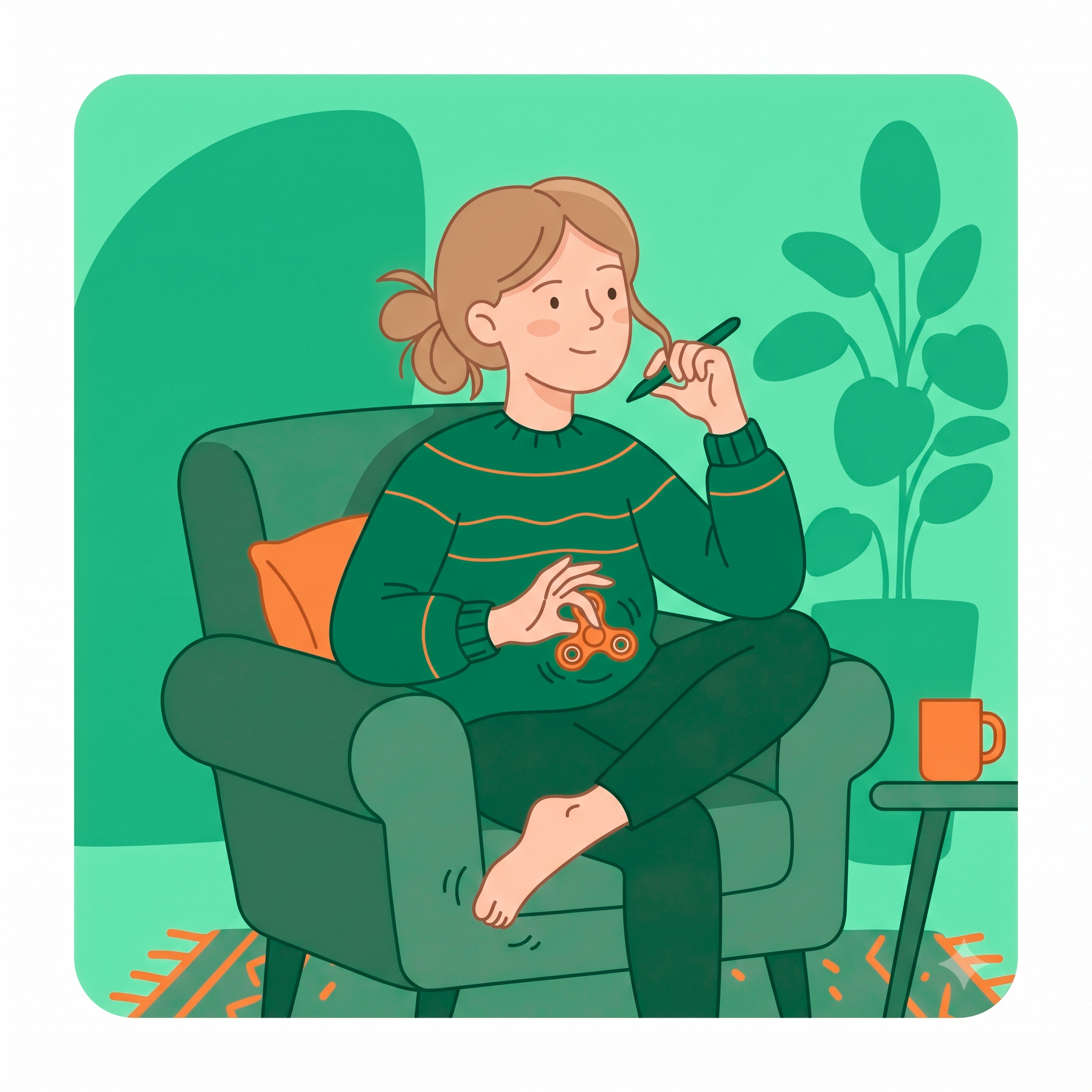
Getting diagnosed with ADHD as an adult is supposed to feel like clarity. And it does, at first.
Things click. Your past suddenly makes sense. You finally have language for the chaos. And then, quietly, something else seems in: grief.
Yes, you might find it odd as we associate it with death, divorce, and breakups commonly.
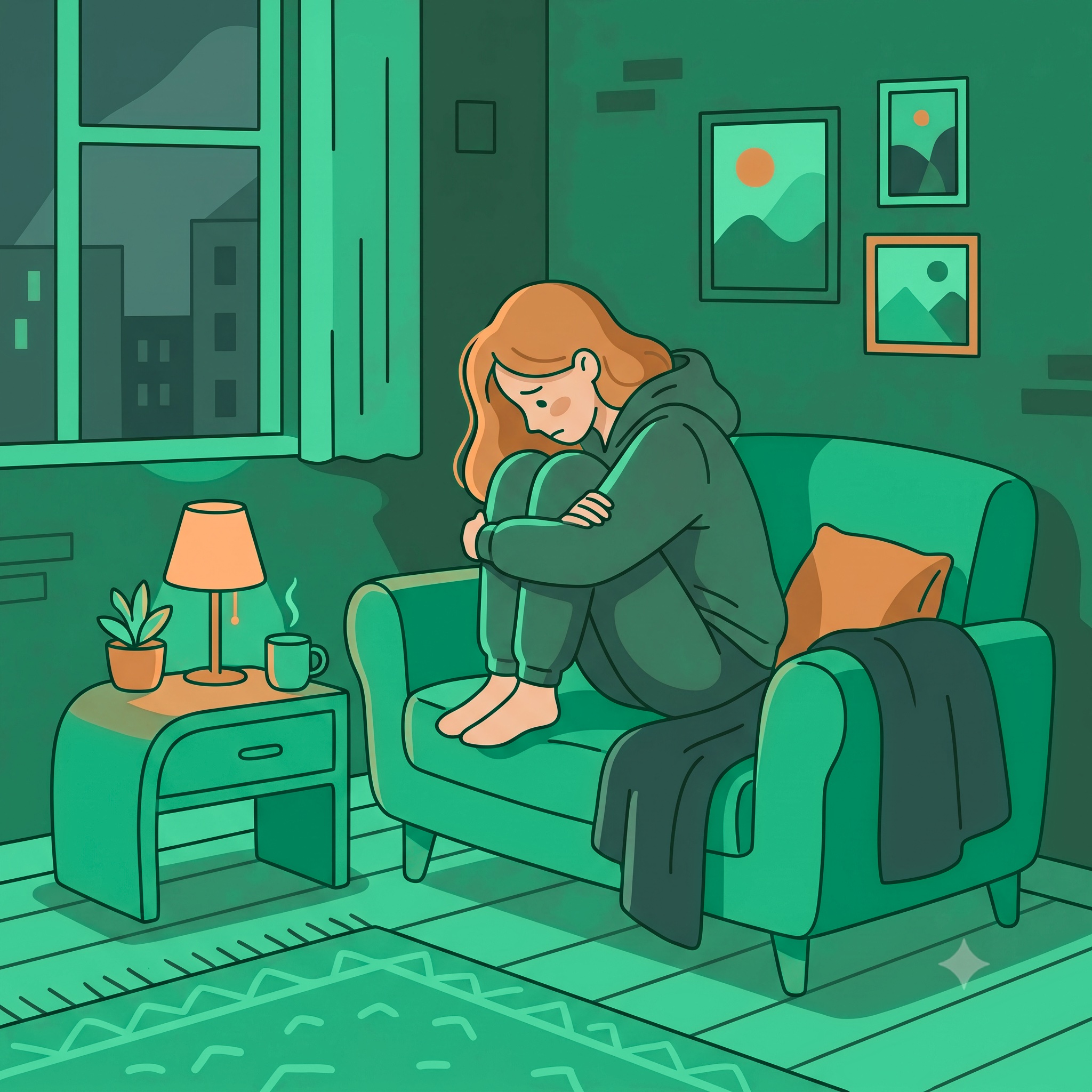
It is not dramatic, cinematic grief. It is the quieter kind. The kind that sits with you while you replay your life….
It’s not grief for ADHD itself. It’s grief for everything that could have been different. Research backs this up. Adults diagnosed later often grieve [1], they undergo a process where they have to engage in a lot of meaning making and reconstruct their identity. It is natural to have a negative reaction when you get diagnosed late [1]. Although one may feel relieved and diagnosis brings clarity, accepting it and moving ahead comes with its own changes. The grief is often rooted in thoughts related to:
People often map this onto the classic grief model called Kübler-Ross cycle , but the grief is never linear. You loop. You revisit. You get stuck.
A 2025 dissertation exploring the lived experience of grief in adults with ADHD found that emotional reactions often lead to "avoidance, dissociation, and distraction," making it difficult to maintain routines while processing the loss [2].
Healing from this grief isn't about "getting over it”, it's about reconstructing meaning. Here are some handy tips for you:
1. Allow Yourself to Mourn
Resist the urge to suppress the sadness. Contemporary grief theories, such as the Dual Process Model, suggest that oscillating between feeling the pain and taking a break from it is healthy [3]. Write a letter to your younger self. Acknowledge how hard you tried without the support you needed.
2. Seek ADHD-Informed Therapy
Standard talk therapy is often insufficient. Look for therapists who specialize in neurodiversity. Structured psychological support like Cognitive Behavioral Therapy (CBT) helps unpack long-standing beliefs of inadequacy and reframe them through the lens of ADHD [4].
3. Engage in "Identity Work"
Grief often stirs when we start to redefine who we are. Experts recommend using "strengths-based approaches." Instead of focusing solely on deficits, recognize that your "wiring" often comes with creativity, resilience, and hyperfocus [5]. Rebuilding your self-concept on a foundation of understanding rather than self-blame is key.
4. Find Your Community
Isolation amplifies grief. Research highlights the role of social support as crucial in managing the relationship of ADHD and emotional distress [6]. Positive mental health is associated with social integration and reassurance.
5. Understand the Timeline
Grief is not linear. You may feel you’ve reached acceptance only to be triggered by a memory the next week. Acceptance isn’t about being happy about the diagnosis,it is about recognizing ADHD as an ongoing part of your life that can be managed and accommodated, develop a readiness to explore treatments and move forward without self-hatred .
If you are feeling grief after a late ADHD diagnosis, you aren't going backward; you are finally seeing your story clearly . That sadness is the residue of carrying an undiagnosed condition for so long. With compassion, community, and the right therapeutic support, you can move from mourning who you were to embracing who you are.

Whether you're here to focus better, calm your mind, or just feel a little more in control, we’re here to support you. One game at a time.