Why ADHD in Women Gets Missed for Decades and What Changes in Midlife

Sara Haqqi
June 19, 2026

3min read

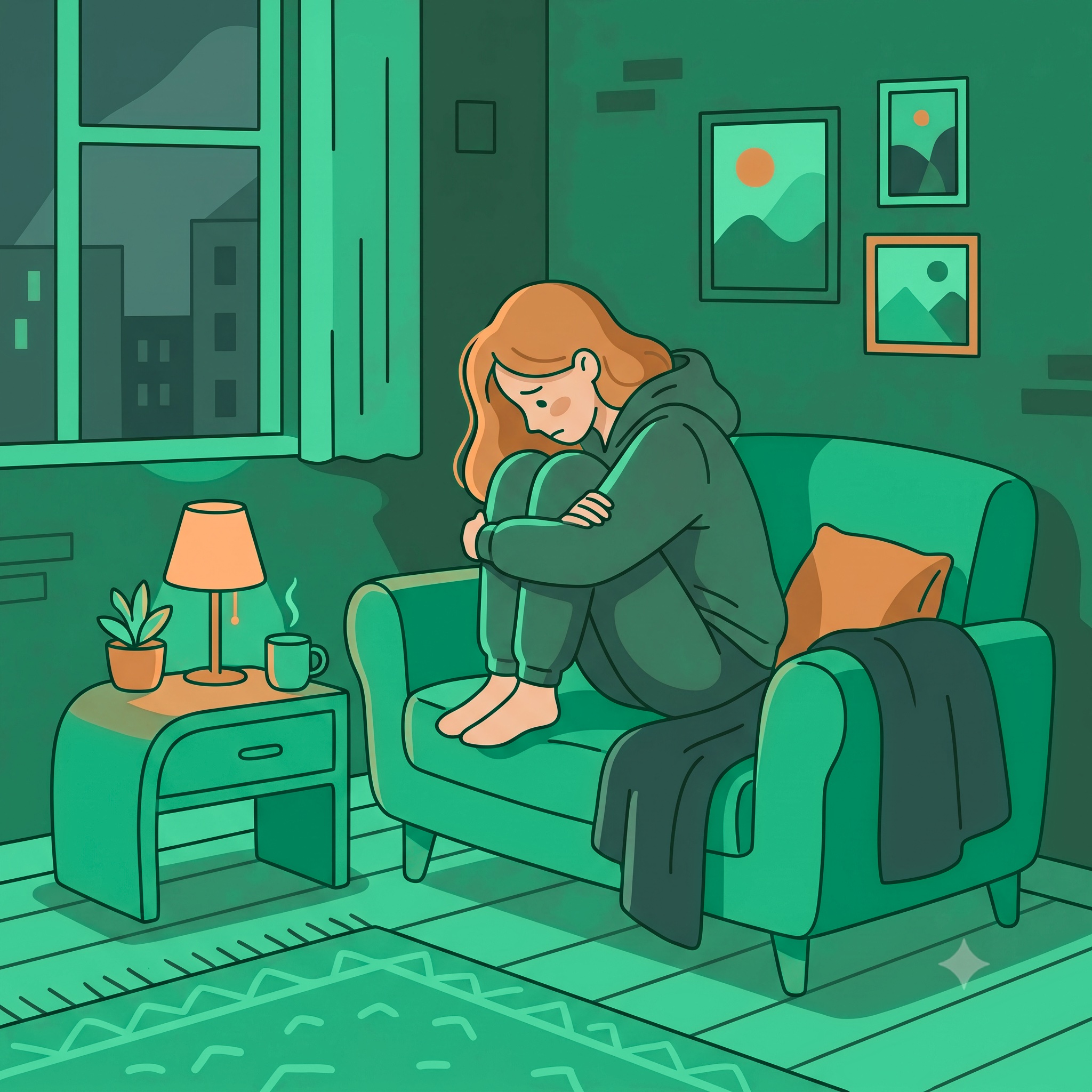
For decades, we thought ADHD was a hyperactive little boy disorder. The earlier depictions were all focused on restless boys, one of the earliest being of the "Fidgety Philip" [1]. Consequently, for decades, women and girls were systematically underdiagnosed [2], their struggles often dismissed until the demands of adulthood or motherhood made masking impossible. 

Why Women Are Diagnosed So Late

The problem starts with the diagnostic criteria. Historically, research was conducted almost exclusively on boys. Because girls tend to internalize their struggles rather than act out, their symptoms are often missed [3], inattention is more prominent in girls so often their symptoms are considered subthreshold. 

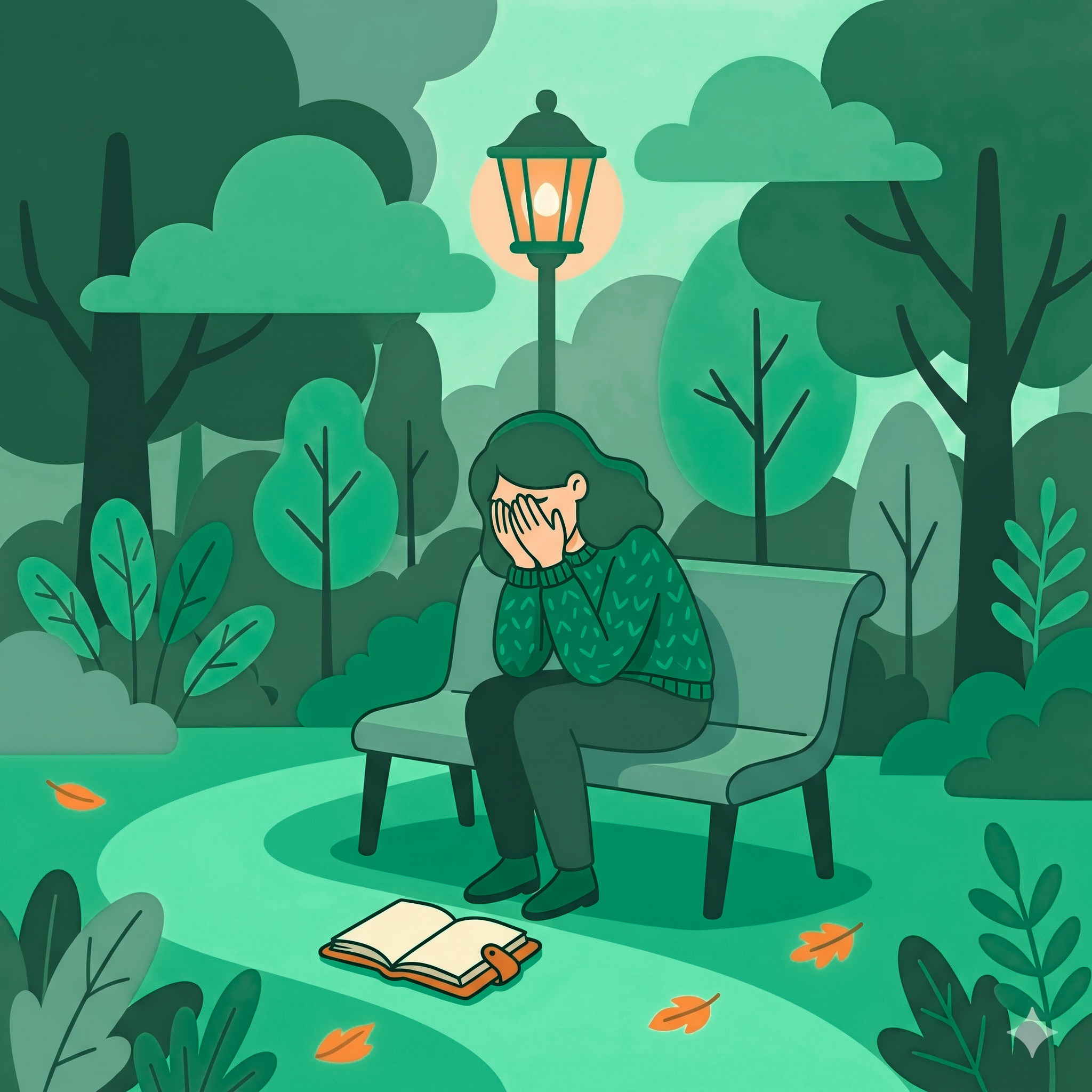
A recent study from King's College London highlights that women’s symptoms are often context-dependent [4]. They might be hyperactive at home (racing thoughts, talking non-stop) but sit perfectly still at school or work, hiding the internal chaos . This is called masking, a sophisticated coping strategy where people consciously suppress their symptoms to fit in socially. But it comes at a cost; it leads to severe anxiety, burnout, and a sense of losing one’s identity.

The Hormonal Breaking Points

For many women, the cracks start to show during major hormonal shifts. Researchers call this the "lifespan" view of ADHD [5]

According to a 2025 review by the Eunethydis network, hormonal fluctuations during puberty, perinatal period, postpartum period, and menopause drastically exacerbate ADHD symptoms [6]. When estrogen drops, dopamine regulation drops with it, turning manageable quirks into debilitating executive dysfunction. 

This is why so many women find out they have ADHD around the time they are undergoing major hormonal changes as masking becomes difficult [6]

How It Affects Motherhood

Motherhood with undiagnosed ADHD is uniquely challenging. Women with ADHD are 1.2 times more likely than women without ADHD to be diagnosed with mood, anxiety, or stress-related disorders within the first 12 months postpartum [7]. It's not a lack of love for your children, it is a struggle with executive function. Emotional dysregulation makes it hard to stay calm when a toddler is melting down. There is an intense guilt over procrastination and the inability to maintain routines.  The constant physical contact, noise, and sensory overload of parenting can lead to "meltdowns" that feel terrifying and shameful [7]

The Menopause Tipping Point 

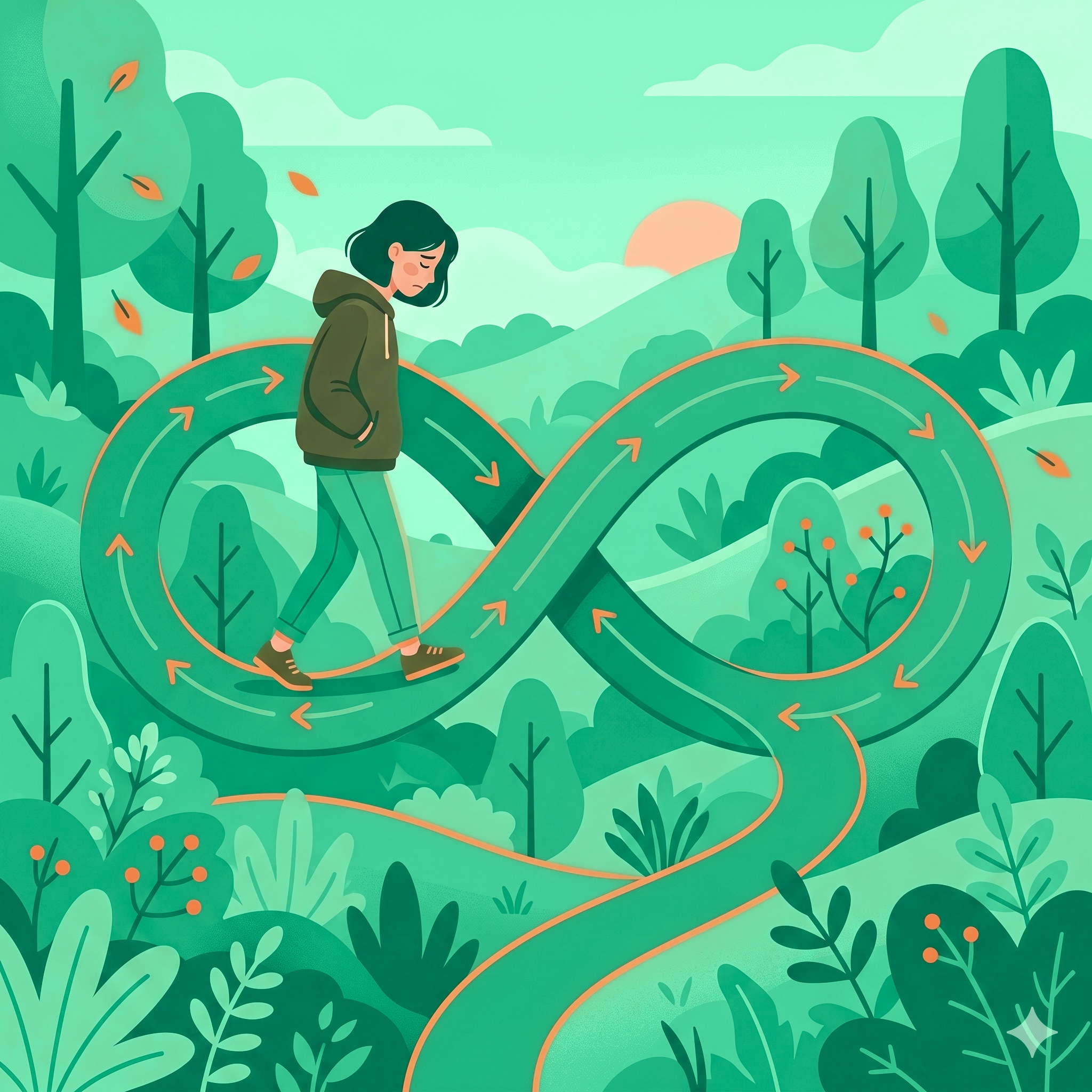
For countless women, perimenopause is the breaking point, the moment the coping mechanisms crumble. This is biology, not coincidence. Estrogen helps regulate dopamine, the brain's fuel for focus and motivation. When estrogen drops during perimenopause, dopamine drops with it [8]. A 2025 research study found that women with ADHD suffer significantly higher perimenopausal symptoms [9].

What was once manageable, school runs, deadlines, keeping the house afloat, suddenly feels impossible. The brain, stripped of its hormonal scaffolding, can no longer compensate. This is why so many women land in a psychiatrist's office in their 40s, exhausted and confused, finally hearing: "You've had ADHD your whole life." Carla Ciccone, diagnosed at 39, captures her struggles, challenges and how she overcame those perfectly in her book, "Nowhere Girl: Life as a Member of ADHD's Lost Generation." If you want to understand the invisible struggle of women with ADHD it is a must read.

Takeaway 

If you are a woman with ADHD, stop believing you were not enough. The truth is, the system never acknowledged your challenges and still, you showed up. You adapted. You survived. That is not weakness, that is extraordinary strength. More power to you. Your time to thrive starts now.

Share this post
Sara Haqqi
Scientific Advisor

Gain control over your cognitive hurdles

Whether you're here to focus better, calm your mind, or just feel a little more in control, we’re here to support you. One game at a time.
Related posts

Liked this article? You might also enjoy these related posts!

Processing the Emotional Fallout of a Late Adult ADHD Diagnosis

A late adult ADHD diagnosis frequently triggers a complex, non-linear grief for what "could have been," requiring individuals to move from self-blame to identity reconstruction through neurodivergent-affirming therapy, community, and radical self-compassion.
Learn more

How to Break the ADHD Anxiety Loop and Calm Your Nervous System

While ADHD does not directly cause anxiety, its core executive deficits and the cumulative trauma of navigating negative social feedback create a persistent anxiety loop that can be dismantled through self-awareness, lifestyle adjustments, and targeted digital supports.
Learn more

Why ADHD Brains Crave Food Fixations and How to Master Your Eating Patterns

Because the ADHD brain uses food as a dopamine-seeking tool for stimulation and emotional regulation, individuals often experience unique patterns like "hyperfocus blackouts" or "food fixations" that require external structure and sensory alternatives to manage.
Learn more

How ADHD Fuels Imposter Syndrome and Ways to Reclaim Your Worth

ADHD imposter syndrome is a deeply ingrained response to a lifetime of performance gaps and negative feedback, requiring a shift from internalizing criticism to practicing radical self-compassion and objective reality checks.
Learn more

Why Your ADHD Brain Feels Foggy and How to Break the Haze

ADHD brain fog is a physiological state of cognitive dysregulation, often linked to Sluggish Cognitive Tempo, that requires sensory anchoring and nervous system reboots rather than increased willpower to clear.
Learn more

How to Unlock ADHD Creativity and Turn Divergent Thinking into a Strength

ADHD is far more than a set of deficits, it is a distinct cognitive style where enhanced divergent thinking and original perspective-taking can be transformed into a personal and professional superpower.
Learn more

Building a Dopamine Bridge for ADHD Motivation

ADHD motivation isn't a lack of willpower but a neurobiological preference for immediacy and novelty, where gamified rewards act as a "dopamine bridge" to help the brain initiate and sustain effort on less-stimulating tasks.
Learn more

Why ADHD Can Make Love Feel So Complicated

ADHD affects far more than productivity, it can deeply shape how people connect with others. From managing emotions and remembering important details to masking symptoms and fearing stigma, ADHD can make building and maintaining relationships uniquely challenging.
Learn more

Navigating Romantic Relationships as an ADHDer

Romantic relationships with ADHD can feel like a dance where the rhythm keeps shifting, full of love and passion, yet often marked by frustration and misunderstanding. Forgetfulness, emotional intensity, and inconsistent attention aren’t signs of disinterest, but reflections of how ADHD brains process emotion, time, and connection differently.
Learn more

ADHD Struggles in Social and Romantic Relationships

ADHD can make social and romantic relationships feel like an uphill climb, with forgetfulness, impulsivity, and emotional intensity creating challenges, but also with passion, creativity, and spontaneity bringing unique strengths.
Learn more

ADHD Struggles at Work

A deep dive into the unique challenges adults with ADHD face in the workplace, from structure and burnout to hyperfocus, criticism, and the rise of virtual meetings.
Learn more

Fighting an Invisible Battle of Getting Things Done

A look at the unique productivity struggles adults with ADHD face, and how to work with your brain, not against it.
Learn more