How to Shut Down an Overactive ADHD Brain for Better Sleep Hygiene

Veronica Sanchez
July 10, 2026

4min read

You only managed to get a couple of hours of sleep. In the morning, you have to drag yourself out of bed for school or work, then get through lunch, homework, and force yourself to complete all your pending tasks for the day even though you are tired. 

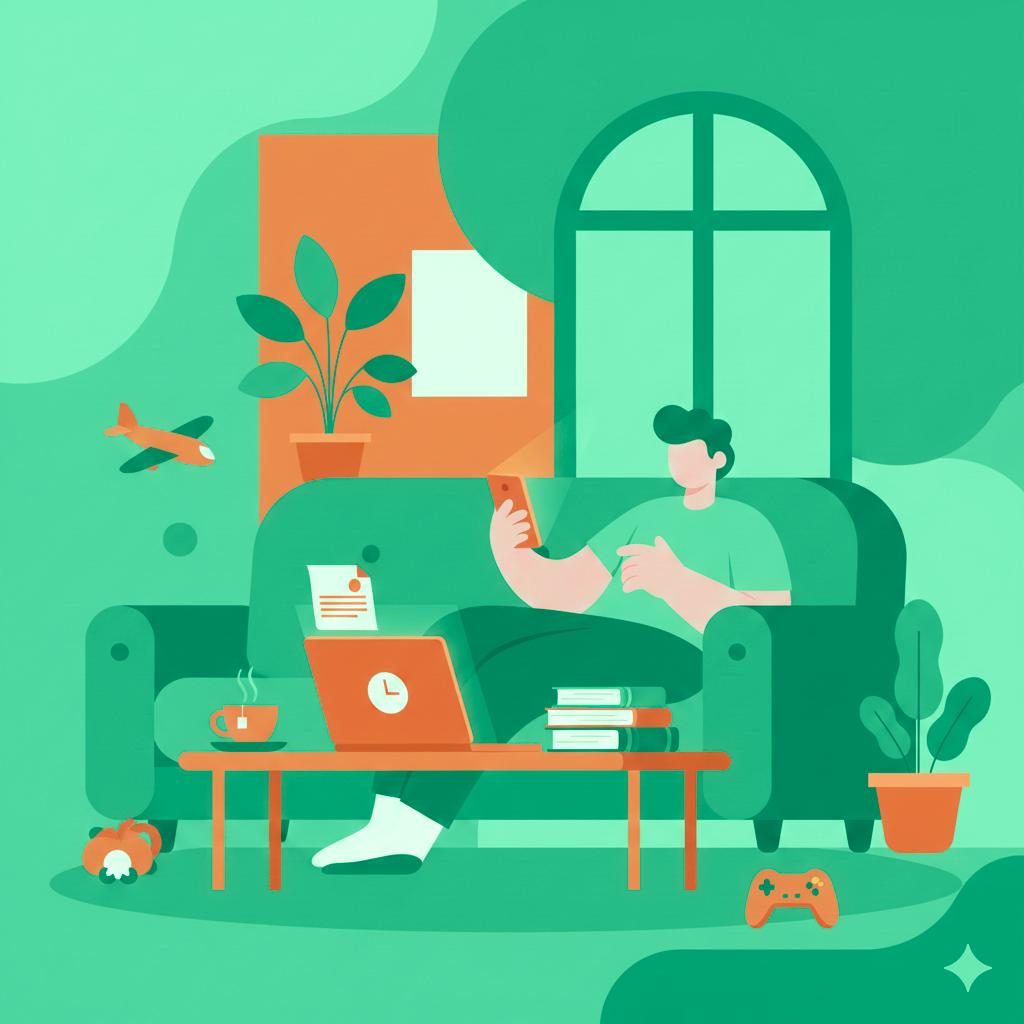
Suddenly, it's late evening again. You're exhausted, your eyes feel heavy, and all you can think about is getting into bed. But then you lie down... and nothing happens. Your body is tired, but your brain seems to have other plans.

If you have ADHD, this scenario might sound familiar because, while ADHD is often associated with inattention, impulsivity, and/or hyperactivity, sleep difficulties are another common and frustrating challenge that frequently goes unnoticed.

Why Your Brain Does Not Want to Go to Bed 

The easy answer to that is that ADHD affects the brain's ability to regulate attention and arousal, so it can struggle to switch into "leep mode" at the end of the day, making it harder to transition from wakefulness to sleep [1]

Additionally, research suggests that adults with ADHD are more likely to have “delayed circadian rhythms”, meaning to be "night owls," so they naturally feel more alert later in the evening and may prefer later bedtimes and wake-up times [2].

Why Sleep Difficulties Are Different in ADHD 

Sleep difficulties are already difficult enough for anyone struggling with them (including neurotypicals!). However, if you have ADHD then most likely you also have other symptoms that can make it difficult for you to fall asleep. 

Does any of these sound familiar? 

  • Hyperfocus: It’s late night and you are so hyperfocused on a project, a game, or a random task that you forget it’s time to go to bed. 
  • Racing thoughts: There you are, lying in bed trying to sleep but your mind won’t stop jumping from one thought to another, even though you're exhausted.
  • Hyperactivity: You feel so restless or energized that the idea of going to bed and fell asleep seems completely impossible. 

When you have ADHD sleep difficulties go far beyond simply struggling to fall asleep or having a bad night every now and then. Truth is that even if they have enough hours in bed, other sleeping problems might arise: not being able to sleep restfully, experience frequent night awakenings and/or feeling sleepy during the day. Over time, these challenges can affect performance at school or work and may even increase the risk of accidents, including while driving. [3] [4]

What Can Help?

Although it can be tempting to sacrifice sleep in order to finish pending tasks, catch up with friends or simply spend more time doing things you enjoy (like binge watching that TV show or make progress in your favourite video game), sleep is not a waste of time: it’s an essential part of both your physical and emotional wellbeing. 

Although there's no magic solution, a few small changes in your routine can make a big difference when it comes to improving sleep.

  • Reduce Caffeine Intake: You might love coffee, but unfortunately, its effects can stay in your system for several hours, so that afternoon coffee or energy drink may still be affecting you at bedtime, preventing you from falling asleep. Reducing your caffeine intake, especially later in the day, gives your body a better chance to fell asleep at night.  
  • Build a Routine: People with ADHD often benefit from structure in their daily life. If you want to build habits that support a good sleep hygiene then you might want to start with: 
    • Going to bed and waking up at roughly the same time every day (including weekends)! You can set an alarm! 
    • Creating a relaxing bedtime routine (maybe a hot shower, and some light stretches). 
    • Try using your bed for sleep only. This means no infinite scrolling on your phone, watching TV, or doing other activities that can keep your brain engaged. 
  • Reduce Activity Before Bed: The hours leading up to bedtime are not ideal for activities that leave you feeling energized or highly focused so, if possible, save intense workouts, stressful work tasks, or exciting video games for earlier in the day. 

You can set an alarm maybe 1 hour before bedtime and use it to start your relaxing routine, including activities that help your mind and body slow down, such as reading, stretching, breathing exercises, or taking a warm and relaxing shower.

If getting enough sleep feels harder for you than it seems to be for everyone else, you're not alone. Sometimes a few changes to your routine can make a big difference but other times, you might need a little extra support. If that’s the case, we encourage you to search for a healthcare professional can help you identify strategies that work for you!

Share this post
Veronica Sanchez
Scientific Advisor

Gain control over your cognitive hurdles

Whether you're here to focus better, calm your mind, or just feel a little more in control, we’re here to support you. One game at a time.

Related posts

Liked this article? You might also enjoy these related posts!

How to Beat the ADHD Tax and Stop Impulsive Spending Deficits

The "ADHD Tax" is a systemic financial burden driven by executive dysfunction, where dopamine-seeking impulse buys and working memory dropouts compound over a lifetime, requiring targeted structural habits rather than medication alone to resolve.
Learn more

How to Use Nonviolent Communication to Stop ADHD Relationship Arguments

ADHD relationship conflicts can be transformed from defensive arguments into deep connections by using Nonviolent Communication scripts that swap criticism for objective observations, felt needs, and actionable requests.
Learn more

ADHD and Quality of Life: A Quick Self-Check

ADHD is a pervasive "tug-of-war" that impacts every facet of daily existence, but by auditing specific life domains, from relationships to health, individuals can implement targeted structures and training to measurably improve their overall quality of life.
Learn more

Building ADHD Habits That Actually Stick

By moving away from "motivation-dependency" and using science-backed "if-then" intentions and environmental cues, individuals with ADHD can build sustainable routines through consistency rather than intensity.
Learn more

Why ADHD Procrastination Isn’t Laziness and How to Fix It

ADHD procrastination is an executive function challenge rather than a lack of willpower, and digital cognitive training can help overcome it by strengthening the neural pathways for focus and organization.
Learn more

Leveling Up ADHD Care: Combining Digital Health with Traditional Therapy

Digital health tools serve as a powerful bridge between clinical therapy and daily life, offering individuals, particularly those with ADHD, accessible, evidence-based ways to track progress and proactively manage their well-being.
Learn more

Executive Function: Your Brain's Hidden Manager (and How to Train It!)

Executive function acts as your brain's "manager", and while ADHD can disrupt its daily operations, you can strengthen these skills through consistent cognitive training, external organization tools, and strategic task management.
Learn more

ADHD at Work: Practical Tips to Increase Focus and Productivity

ADHD productivity works best when you stop relying on willpower and start designing support systems.
Learn more

Helpful Tools and Habits: Study Edition

Build a personalized ADHD study toolbox with evidence-based strategies for planning, time-management, and focus.
Learn more

Studying with ADHD: Evidence based strategies

Adult students with ADHD can succeed academically with the right strategies, support, and brain-friendly study habits.
Learn more