You love your ADHD partner, their spontaneity, their creativity, the way they light up when they hyperfocus on a new hobby. But there are times when you get frustrated by their apparent lack of motivation or exaggerated emotional reaction to a push from you. And when you try to talk about it? They get defensive and suddenly you're having the same argument for the hundredth time.
First, you should know that ADHD affects communication. A 2024 systematic review found differences in how adults with ADHD process tone of voice and non-verbal cues, which means they can literally misinterpret your facial expressions or sarcasm without meaning to [1]. It stems from the rejection sensitivity, a tendency to intensely overreact to social rejection or criticism [2]. As identified in this research most of the ADHDers already feel that they are not enough, so a lot of times criticism or scrutinizing comments act as a trigger.
But this means that as a partner you need to learn to communicate in a way that your ADHD partner feels heard and understood. Thankfully, psychologist Marshall Rosenberg has already figured out how to bridge this gap in any relationship [3]. He calls it Compassionate Communication, also known as Nonviolent Communication. Compassionate communication doesn't only improve conflict management, but also enriches relationships [4].
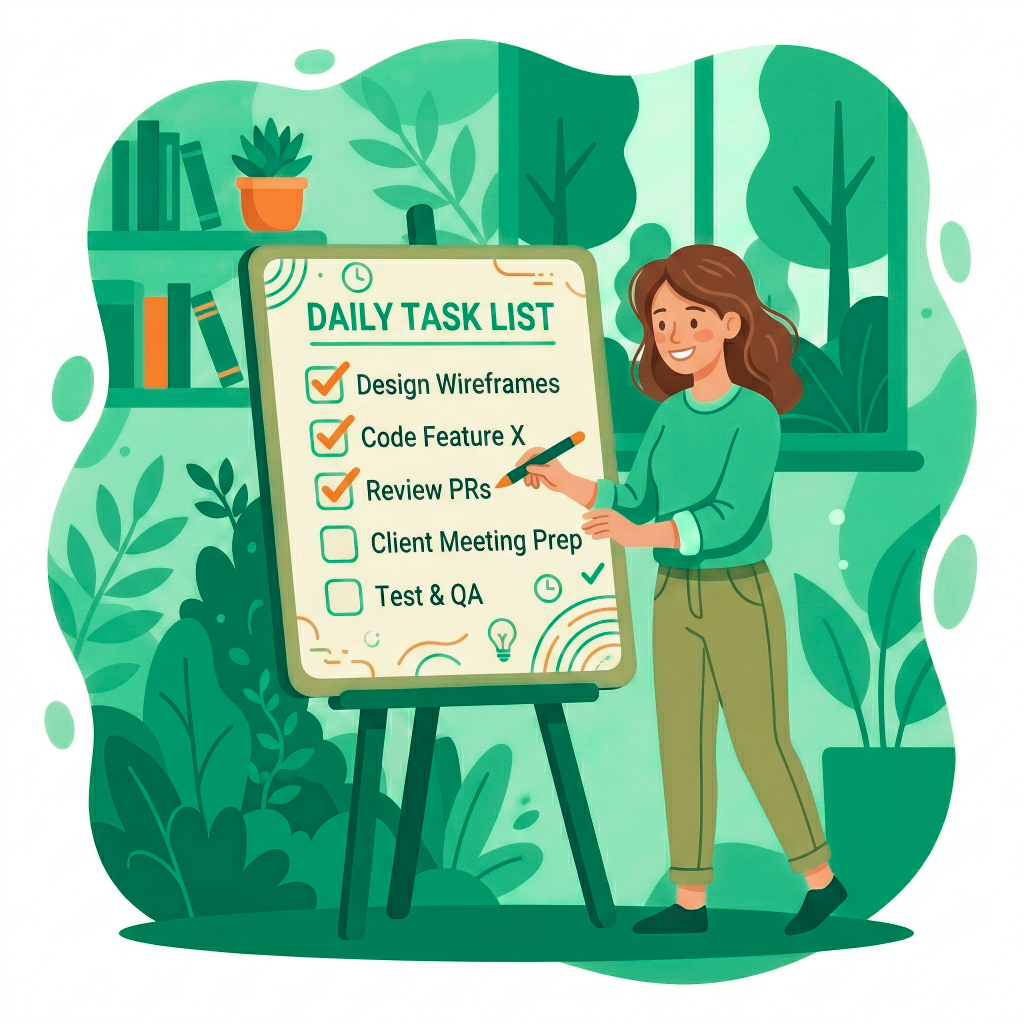
Let's relearn how to communicate more effectively with your ADHD partner and unlearn old unhelpful ways. All you have to do is:
Note that the purpose is to establish that the ADHDer feels heard and even if they are all over the place or can't think straight at the moment, you can understand them.
To make you understand how compassionate communication works, let's just go through some common scenarios so that you can have an idea of how to reframe your words.
The Situation: You just called your partner to confirm what time you're leaving for dinner, and there's a pause on the other end of the line. They completely forgot about the reservation you made three weeks ago. Think of how you would normally respond...
Non-Productive Communication: "How can you even forget that? I made the reservation weeks ago. Do you forget on purpose? This feels like I don't matter to you at all."
Healthy Communication (Using Rosenberg's Framework): "I'm realizing the date night slipped your mind (Observation). I'm feeling hurt right now (Feeling), I was really looking forward to our time together (Need). Can you still make it or should we reschedule ?(Request)."
The Situation: You're both going out, but your ADHD partner is standing in a tornado of clothes. Shirts are on the bed, jeans on the floor, and they're just pulling item after item out of the closet, getting more agitated. They're stuck in a loop of "this doesn't feel right" and can't move forward. How do you respond when there is a similar situation and you feel bad because you are getting late.
Non-Productive Communication: "What is this mess? You're making everything worse! Just pick something, anything! We're going to be late because of you!
Healthy Communication: We have to be there on time (Need), I am worried (Feeling). Can I pick two options for you to choose from? Meanwhile, you can put away the ones you are not definitely going to wear (Request).
Takeaway: Compassionate communication isn't about ignoring problems, it's about addressing them without shame. When partners pause, take perspective, reframe with kindness, and suggest solutions, ADHD stops being the enemy. The real difference often comes down to one sentence that says: I'm trying to understand you, and I am there for you (and that's the soul of a true partnership). Also, note that it isn't a one way thing, your ADHD partner needs to learn compassionate communication and expressing their needs.

Whether you're here to focus better, calm your mind, or just feel a little more in control, we’re here to support you. One game at a time.