Digital health interventions are still relatively new. Smartphones have become a regular part of our daily lives, but it’s only recently that we’ve started using them with physical or mental health related goals.
For individuals with ADHD, smartphones and technology-based solutions in general can be very helpful. Even though traditional interventions are still important, they don’t usually provide daily support, structure, or opportunities to practice.
A few years ago, the US Food and Drugs Administration (FDA), which is responsible for ensuring that health-related products are safe and effective, approved the first digital health intervention for children with ADHD [1], demonstrating that digital tools can indeed help improve ADHD-related symptoms.
Digital health interventions for ADHD focus on the cognitive processes most commonly affected by it, such as working memory, response inhibition, and attention. Recent research on digital tools shows that they can improve key cognitive functions, including visuospatial working memory and attention, supporting the idea that targeted training can strengthen affected areas over time [2].
Although most ADHD applications and interventions out there are focused on children, there are some digital health intervention options also designed for adults, a population that is often overlooked, even though ADHD challenges don’t disappear with age [3].
For such apps to be effective, they need to be designed around the real-life struggles of adults with ADHD, who usually face short attention spans, time management difficulties (ADHD at its prime) [4], and the regular demands of modern adult life. All of these can make traditional advice, like writing long to-do lists or sticking to rigid routines, very hard to follow!
Unlike children, adults often don’t have the support of their parents and teachers or the structure of school, which makes building consistent habits even more challenging for them. In this context, the inclusion of features such as task or appointment reminders can be especially helpful, as they provide external structure and might support adherence over time.
Having a tool that is always available on your phone and that offers short and manageable sessions that can be performed at any time during your day makes building habits easier and less overwhelming. There’s already evidence that smartphone based interventions for adults with ADHD can improve engagement and reduce symptoms like inattention and impulsivity, supporting real‑world habit formation [5].
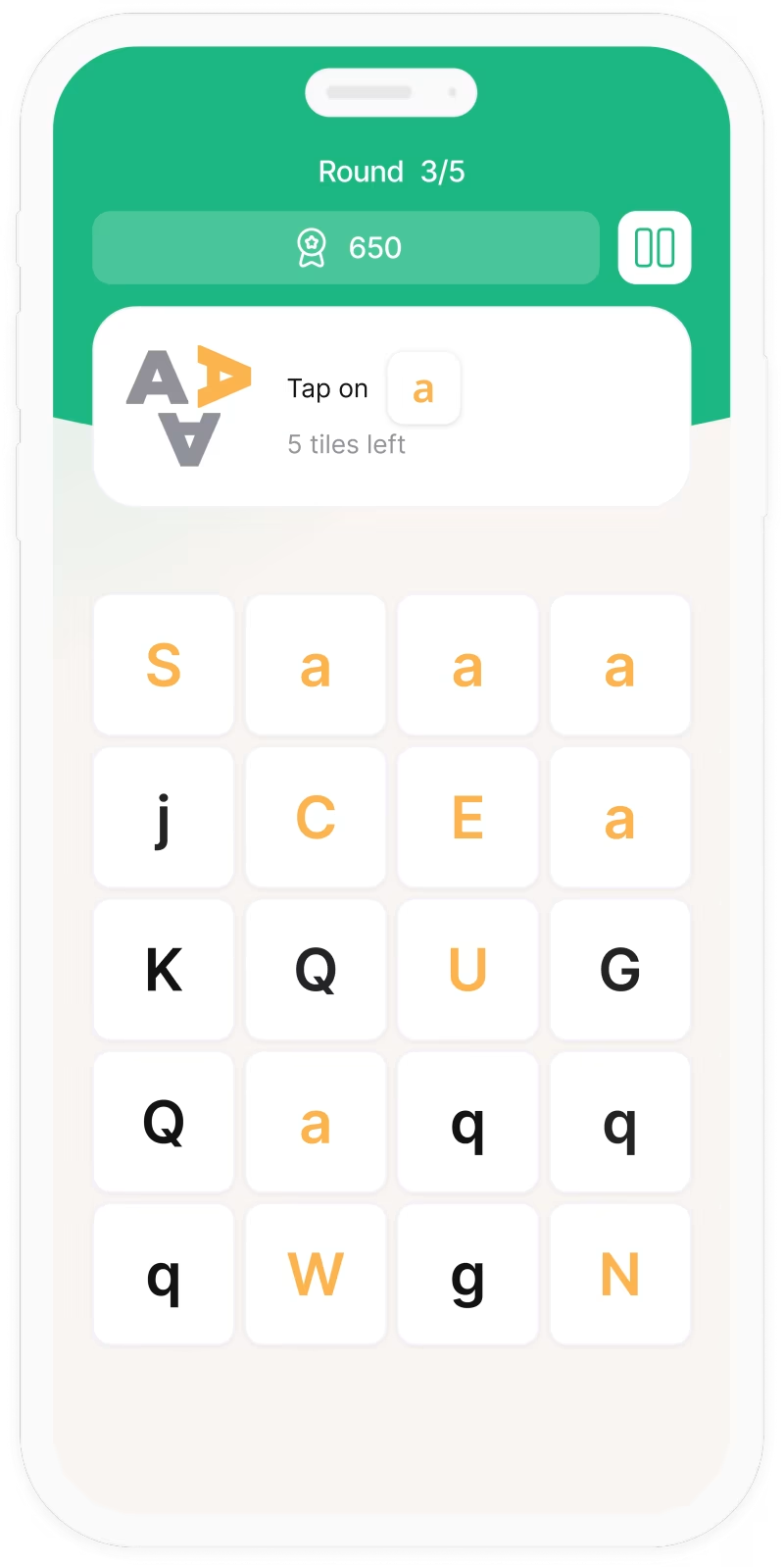
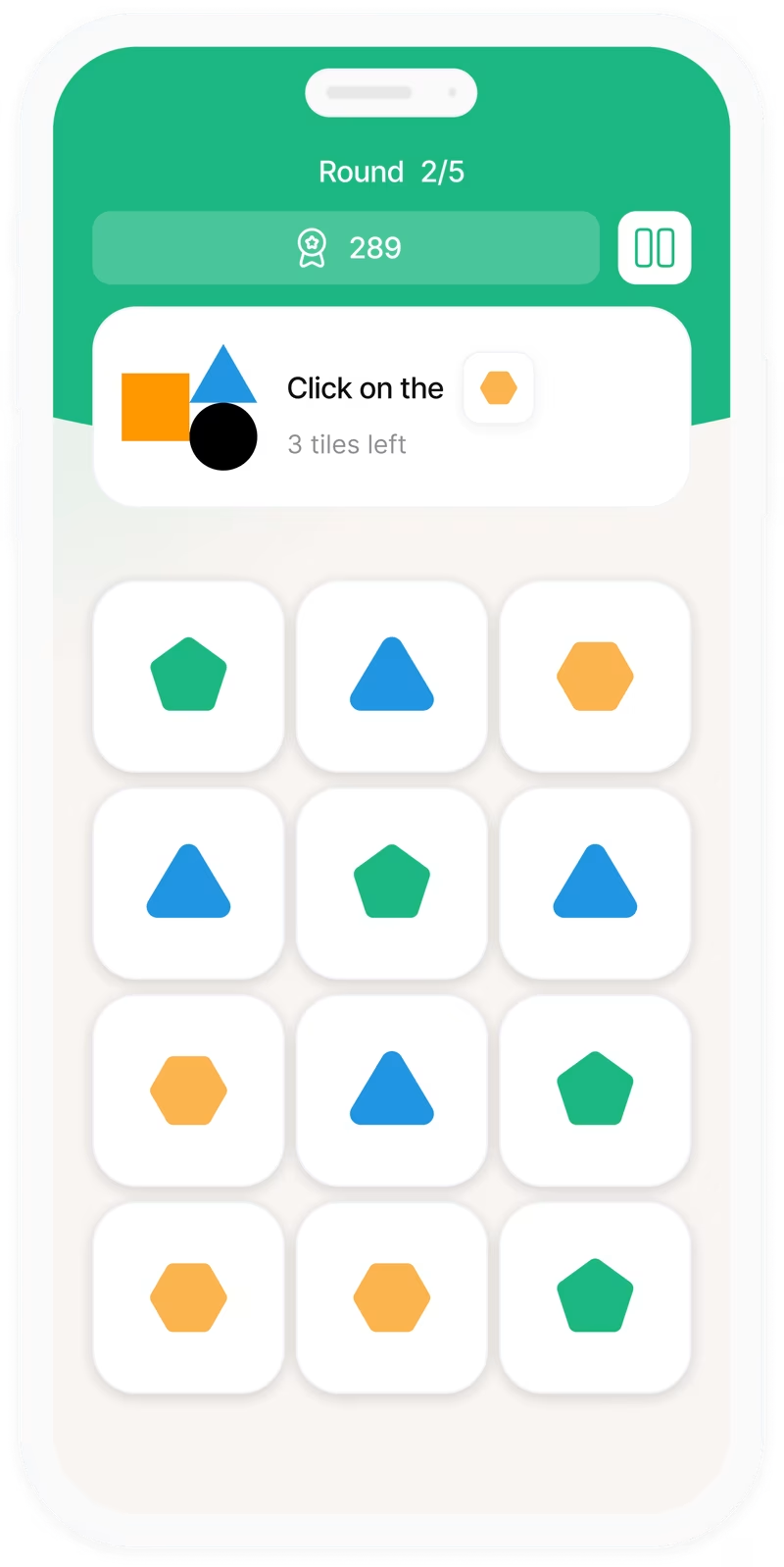
Gamification has proven to be an effective way to drive change [5], whether for cognitive training, psychoeducation, rehabilitation, or other purposes. Since games are fun for design (ask any kid), they’re naturally motivating and can get us easily engaged on what we’re doing [6]... and engagement is the first step when you want to generate real change.
Besides enjoyment, gamified interventions often provide immediate feedback, rewards, and visible progress for the user. From a behavioral perspective, these elements are crucial if we want to encourage continued participation and change [7].
There’s some good evidence that the reward system implemented on gamified apps can help improve attention and inhibitory control performance in people with ADHD by supporting motivation and continued engagement with the intervention [8]. This approach is particularly effective for neurodivergent brains, which often seek stimulation and novelty!
If you’re curious and want to explore whether games can help improve your symptoms, we encourage you to give cognitive training a try! Digital health interventions can be very powerful, supporting you in areas where you usually struggle in everyday life. Just remember: these tools aren’t a replacement for therapy, professional assessment, or medication; they’re just meant to be used alongside them.

Whether you're here to focus better, calm your mind, or just feel a little more in control, we’re here to support you. One game at a time.