ADHD rarely comes alone. Instead, it often occurs alongside other mental health conditions, such as anxiety or depression. The technical term for when two conditions occur together, it's comorbidity, and it's much more common than most people realize.
Unfortunately, one of the most common comorbidities is ADHD and depression [1] [2].
The first thing you need to know is that having ADHD does not mean you have, or will develop, depression. It simply means that people with ADHD are at a higher risk than the general population, and that certain experiences and circumstances in life can increase that risk.
Understanding why these two conditions are linked can help you recognize the signs earlier, seek the right support, and manage your symptoms more effectively.
The relationship between these two conditions is not as straightforward as you might think. For example, there’s no evidence that ADHD directly causes depression although neurocognitive impairments frequently observed in ADHD may increase the risk to develop co-morbid depression [3].
Research points to a combination of biological factors and life experiences playing a role in developing depression if you already have ADHD [2].
Think about it this way:
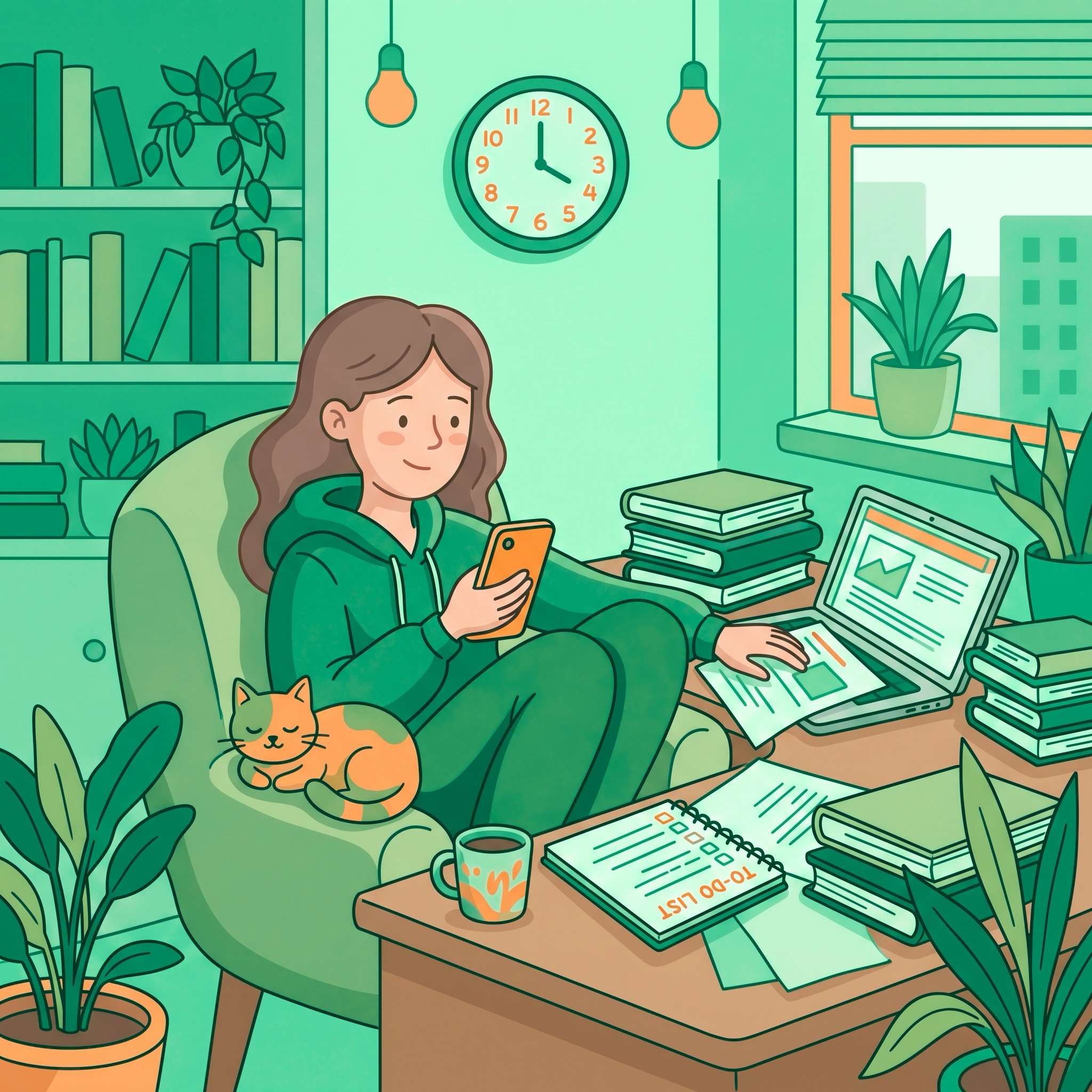
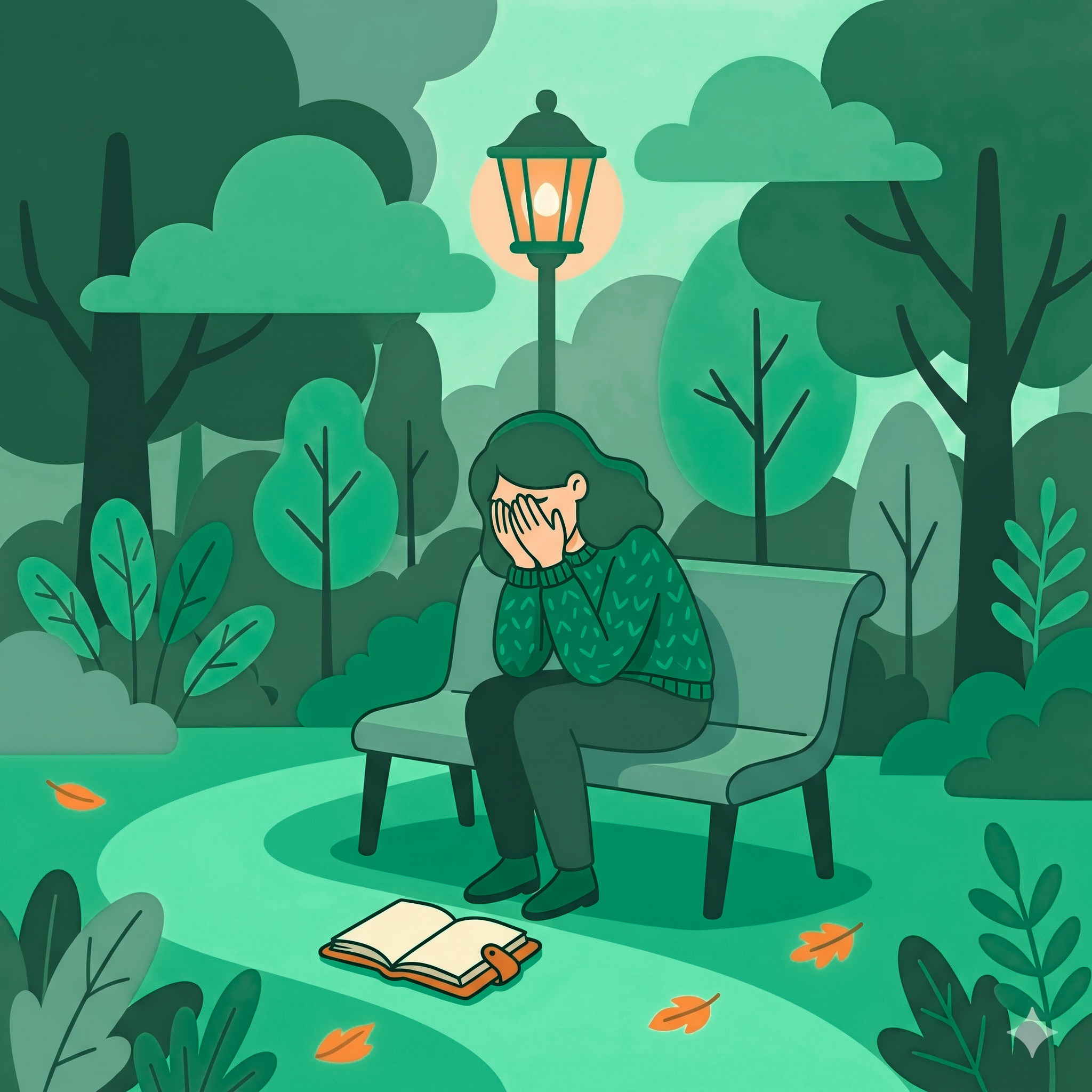
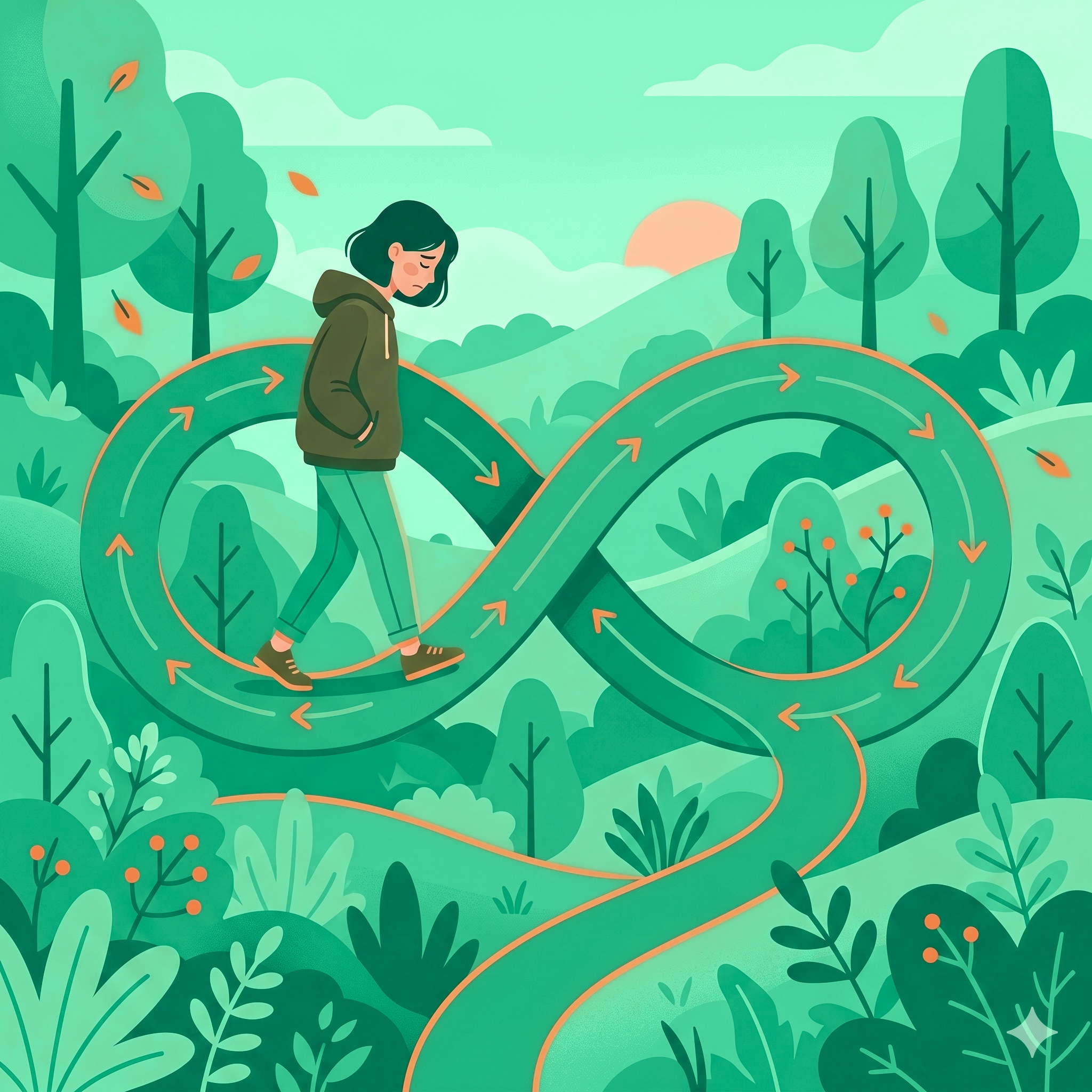
Living with ADHD can be overwhelming, especially if it’s poorly managed: constantly forgetting things, struggling to stay organized, trying to deal with everyday tasks, masking symptoms and/or receiving criticism for behaviors outside of your control.
It makes sense for all of this to eventually become a burden and take a toll on your mood and self-esteem. After some time, these repeated experiences may put you at risk of developing depression.
On top of this, emotional dysregulation is one of the main difficulties experienced by people with ADHD. This means that emotions can feel more intense and harder to manage, making coping with life's challenges and depressive feelings even more difficult.
Although researchers are still trying to fully understand the relationship between ADHD and depression, there are a few things we know so far:
People with ADHD may develop depression at a younger age than those without ADHD. Research has also identified a few factors that may increase the risk of developing depression if you have ADHD, including [1]:
The good news is that many of the things that help manage ADHD also support your mental health and help you prevent depression, reduce your risk and make both conditions easier to manage.
Having ADHD doesn't mean depression is inevitable. But knowing there's a connection can help you notice changes in your mood sooner and seek support before things become overwhelming.

Whether you're here to focus better, calm your mind, or just feel a little more in control, we’re here to support you. One game at a time.