Parenting With ADHD: Why It Feels So Hard, and What Helps

Veronica Sanchez
October 16, 2026
•

3min read

Parenting is demanding for everyone. There are schedules to remember, school meetings, deadlines, meals to prepare, routines to manage, and lots more. Let's face it: parenting is usually a stressful and never ending task. 

For adults with ADHD, for whom executive functions (planning, organizing, prioritizing, and self-regulation) are already challenging, parenting can be even more overwhelming and draining. It makes sense, since the skills that they struggle the most with, are also the skills that parents require every single day.

‍

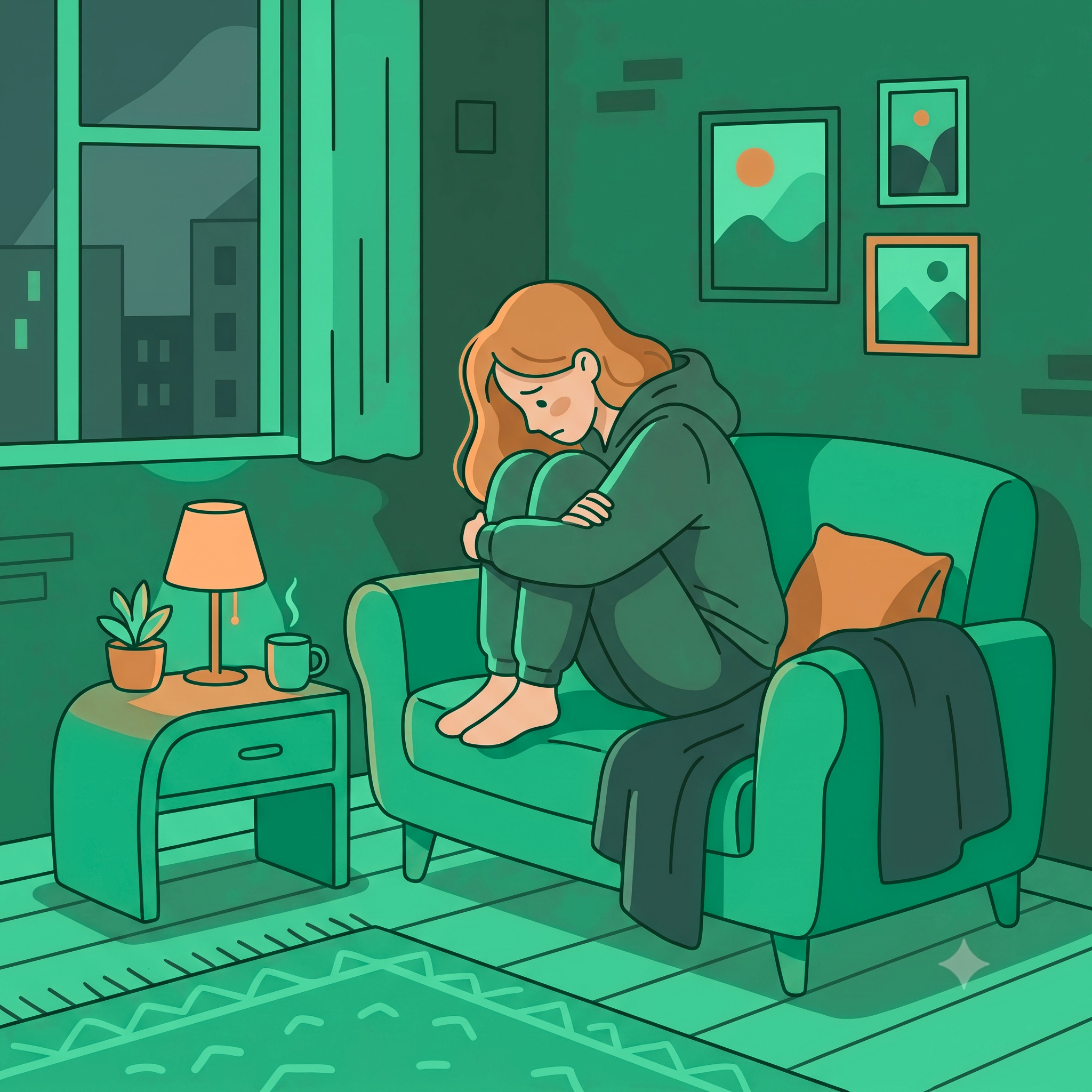
Are you feeling like a bad parent?

The relationship between ADHD symptoms and parenting struggles (such as doubting yourself as a parent, being too critical to yourself and/or the child, and struggles to tolerate the child’s misbehavior) is well documented [1]. 

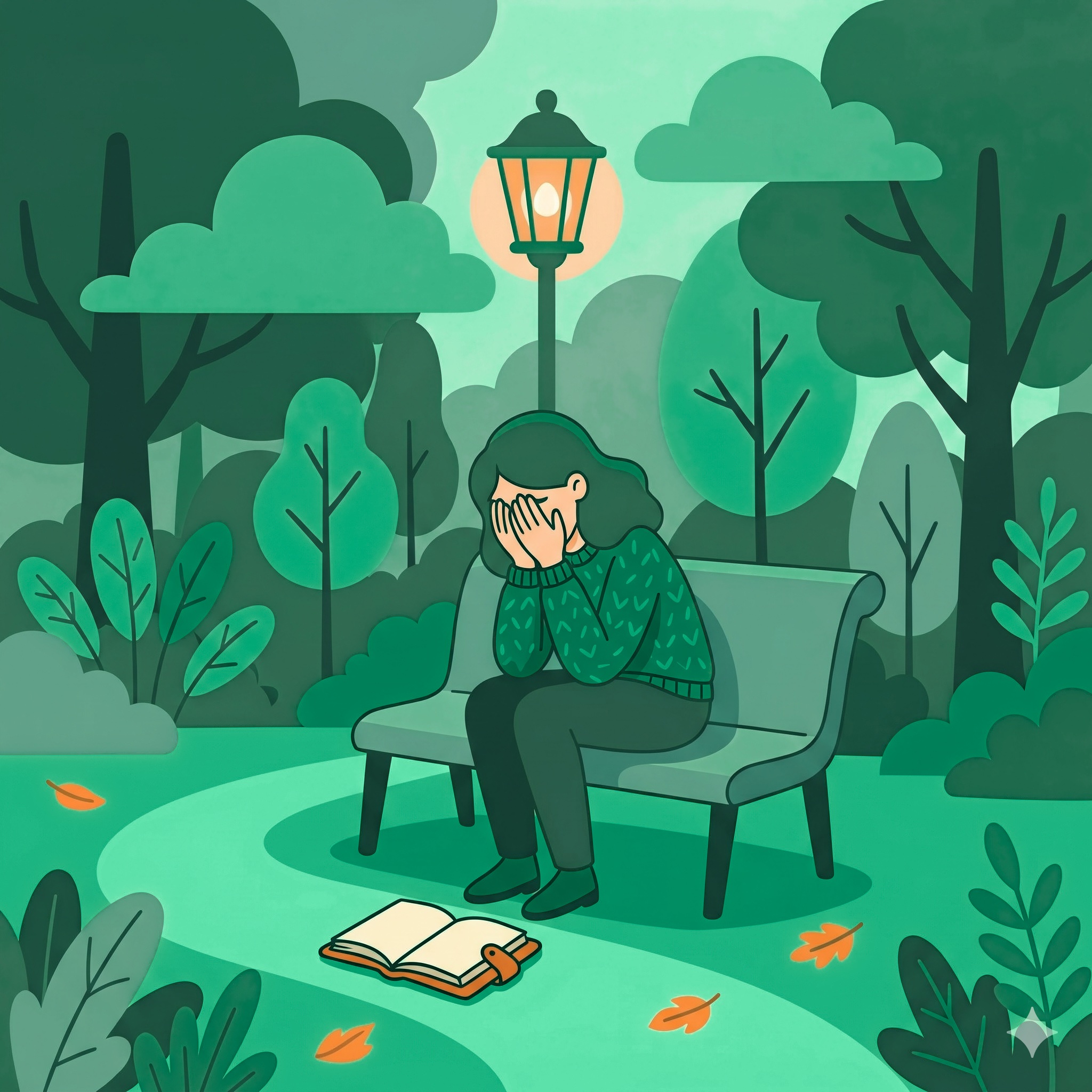
In general, parents with ADHD also find it more difficult to manage the child’s emotional responses, tending to be too harsh. This is believed to be a product of their own emotional regulation difficulties [2] and can sometimes trigger some parental guilt and doubts on how well you are doing as a parent. 

However, the fact that ADHD makes parenting difficult to navigate or that you struggle at times, does not automatically make you a bad or negligent parent. The problem is not a lack of motivation or love. Sometimes, the environment simply requires skills that ADHD makes harder to develop. 

Does my child have ADHD?

There is also an important genetic component to ADHD. Children of parents with ADHD are more likely to have ADHD themselves [3], which means that some families are navigating ADHD from both sides. 

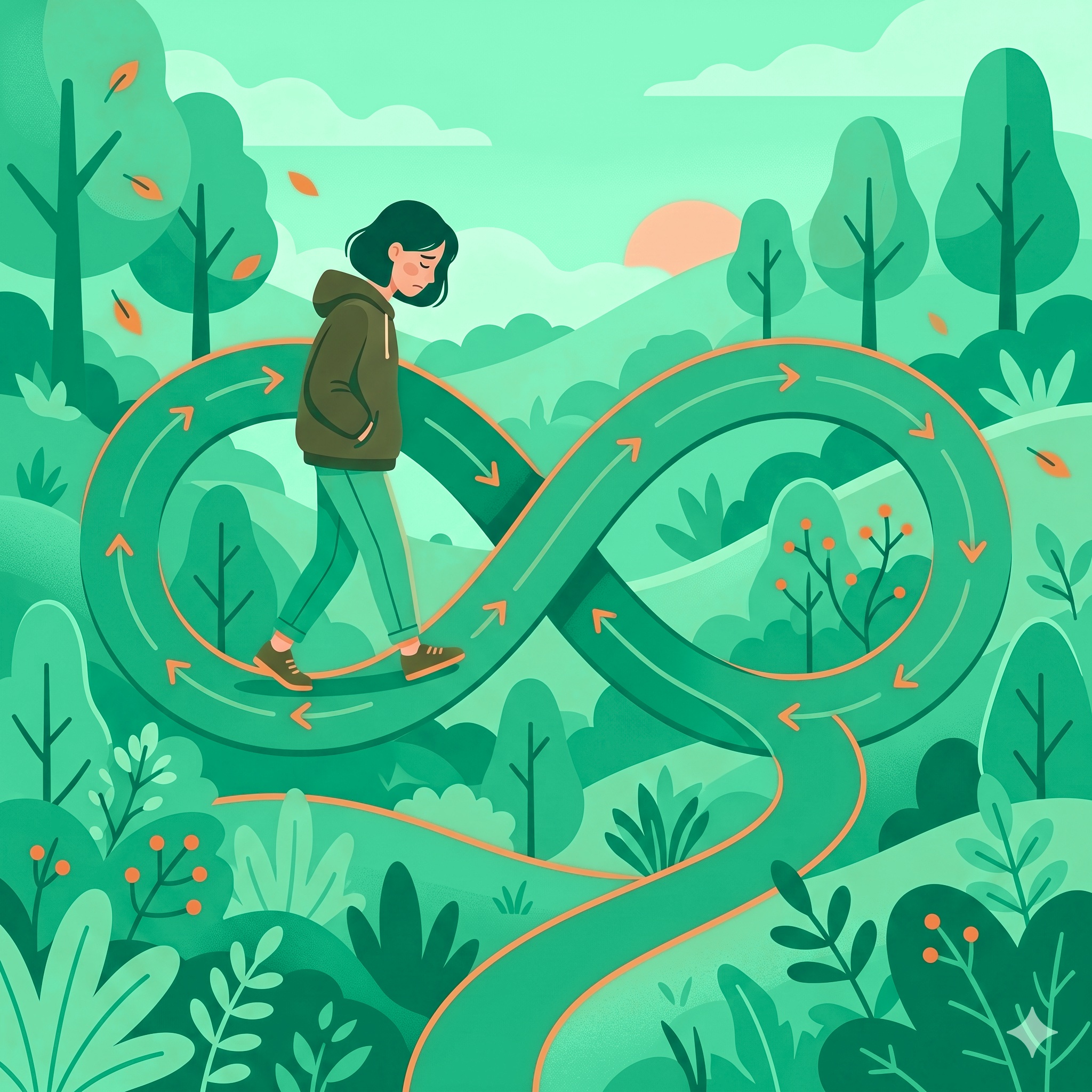
This can create a hectic dynamic where the child's difficulties with paying attention or self regulation may trigger the parent's own difficulties, while the parent's challenges with organization and consistency can make the child's symptoms more visible and harder to manage. 

It can become a vicious cycle. 

‍

What can I do?

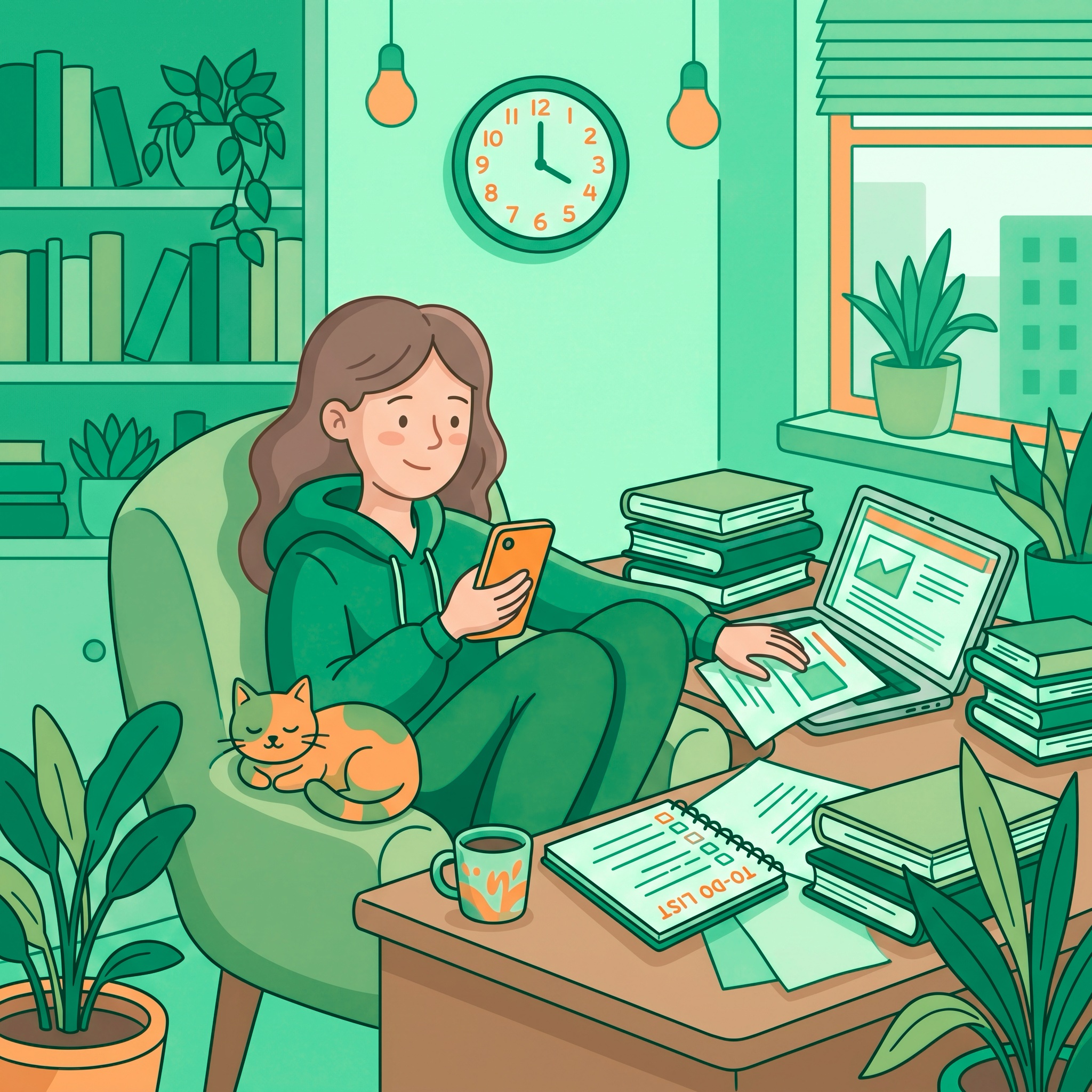
Don’t rely on memory alone, use visual reminders. Use calendars and checklists. You can also use technology (apps) to keep track of all your pending tasks. Keep them handy and accessible at all times (e.g., stick them to your fridge or somewhere you won’t miss them).

Routines are your friends. Keep routines simple, intuitive, and easy to remember for both yourself and your child (i.e. they brush their teeth right after taking a bath, and then straight to bed). The fewer decisions you need to make, the better for both of you, especially at the end of a long and tiring day 

Seek professional support. Being a parent is hard, regardless of ADHD. Seeking evidence based treatments, including medication, digital therapy, or cognitive-behavioural approaches, can improve ADHD symptoms and self-regulation skills [4].

Watch out for triggers. Keep an eye on those things that trigger you (hunger, noise, lack of sleep, etc.) and make emotional regulation harder. We're not gonna lie, as a parent, it might be difficult to avoid these situations, but becoming aware enough to notice you’re being triggered and treat that as a signal to pause might be a good way to prevent overwhelming situations. 

Not only that. If you find self-regulation strategies that work effectively for you, they will not only help prevent difficult situations or interactions in family life, but can also turn you into a good model for your children on how to self-regulate during difficult times [5].

Divide and conquer. If you have a partner, then make that one of your strengths. You don’t need to be equally good at every task, and that's ok. List each of your strengths and divide tasks accordingly: maybe one person handles school communication while the other manages meals. The goal is to create a system that works for your family! 

And finally, give yourself a break (literally and metaphorically).

Having ADHD doesn't mean you're a lousy parent. It means that some aspects of parenting may require more conscious strategies and external structure to become manageable.

Share this post
Veronica Sanchez
Scientific Advisor

Gain control over your cognitive hurdles

Whether you're here to focus better, calm your mind, or just feel a little more in control, we’re here to support you. One game at a time.
Related posts

Liked this article? You might also enjoy these related posts!

ADHD Strengths: What the Research Actually Shows

The "D" in ADHD stands for deficit, but that’s only half the picture. What research says about hyperfocus, creativity, and where ADHD traits become strengths.
Learn more

Is ADHD Genetic? Does It Run in Families?

ADHD runs in families, but there's no single ADHD gene. Here's what the research says about how it's inherited, and why no two relatives are quite alike.
Learn more

ADHD and Procrastination: Why Starting Feels So Hard

ADHD procrastination isn't laziness. It's how the brain weighs immediate rewards against delayed ones, and why starting is the hardest part. What helps.
Learn more

ADHD in College: Why University Is Harder, and What Actually Helps

College removes the structure that made school manageable. Here's why ADHD often gets harder after high school, and practical ways to build your own system.
Learn more

ADHD in Adulthood: What It Looks Like and Why It's Often Missed

ADHD doesn't end in childhood. Here's what it looks like in adults, why so many women are diagnosed late, and what to do if it sounds familiar.
Learn more

Can ADHD Get Worse With Age? How Symptoms Change Over Time

ADHD doesn't get worse with age, but it does change. Here's how symptoms shift over time, when they feel more intense, and what actually helps.
Learn more

ADHD and Fidgeting: Why Your Brain Needs to Move

Why do people with ADHD fidget? It's not restlessness, it's self-regulation. Here's what the research says about movement, focus, and fidget tools.
Learn more

How Is ADHD Diagnosed in Adults? What to Expect from an Assessment

What actually happens during an adult ADHD assessment, how long it takes, and how to tell a thorough evaluation from a rushed one.
Learn more

Can ADHD Cause Depression? What the Research Says

Living with ADHD raises your risk of depression, but it isn't inevitable. Learn why the two are linked and four research-backed ways to protect your mood.
Learn more

Why ADHD Brains Collect Clutter and How to Defeat Decision Paralysis

ADHD-driven clutter and hoarding are not issues of laziness, but rather physiological consequences of decision paralysis, hyperfocus shifts, and working memory deficits that are best resolved by practicing cognitive categorization rather than sheer willpower.
Learn more

Why ADHD in Women Gets Missed for Decades and What Changes in Midlife

The systemic underdiagnosis of women with ADHD stems from internalized symptoms and compensatory masking that inevitably break down during major hormonal shifts, transforming hidden executive strain into adult burnout.
Learn more

Processing the Emotional Fallout of a Late Adult ADHD Diagnosis

A late adult ADHD diagnosis frequently triggers a complex, non-linear grief for what "could have been," requiring individuals to move from self-blame to identity reconstruction through neurodivergent-affirming therapy, community, and radical self-compassion.
Learn more

How to Break the ADHD Anxiety Loop and Calm Your Nervous System

While ADHD does not directly cause anxiety, its core executive deficits and the cumulative trauma of navigating negative social feedback create a persistent anxiety loop that can be dismantled through self-awareness, lifestyle adjustments, and targeted digital supports.
Learn more

Why ADHD Brains Crave Food Fixations and How to Master Your Eating Patterns

Because the ADHD brain uses food as a dopamine-seeking tool for stimulation and emotional regulation, individuals often experience unique patterns like "hyperfocus blackouts" or "food fixations" that require external structure and sensory alternatives to manage.
Learn more

How ADHD Fuels Imposter Syndrome and Ways to Reclaim Your Worth

ADHD imposter syndrome is a deeply ingrained response to a lifetime of performance gaps and negative feedback, requiring a shift from internalizing criticism to practicing radical self-compassion and objective reality checks.
Learn more

Why Your ADHD Brain Feels Foggy and How to Break the Haze

ADHD brain fog is a physiological state of cognitive dysregulation, often linked to Sluggish Cognitive Tempo, that requires sensory anchoring and nervous system reboots rather than increased willpower to clear.
Learn more

How to Unlock ADHD Creativity and Turn Divergent Thinking into a Strength

ADHD is far more than a set of deficits, it is a distinct cognitive style where enhanced divergent thinking and original perspective-taking can be transformed into a personal and professional superpower.
Learn more

Building a Dopamine Bridge for ADHD Motivation

ADHD motivation isn't a lack of willpower but a neurobiological preference for immediacy and novelty, where gamified rewards act as a "dopamine bridge" to help the brain initiate and sustain effort on less-stimulating tasks.
Learn more

Why ADHD Can Make Love Feel So Complicated

ADHD affects far more than productivity, it can deeply shape how people connect with others. From managing emotions and remembering important details to masking symptoms and fearing stigma, ADHD can make building and maintaining relationships uniquely challenging.
Learn more

Navigating Romantic Relationships as an ADHDer

Romantic relationships with ADHD can feel like a dance where the rhythm keeps shifting, full of love and passion, yet often marked by frustration and misunderstanding. Forgetfulness, emotional intensity, and inconsistent attention aren’t signs of disinterest, but reflections of how ADHD brains process emotion, time, and connection differently.
Learn more

ADHD Struggles in Social and Romantic Relationships

ADHD can make social and romantic relationships feel like an uphill climb, with forgetfulness, impulsivity, and emotional intensity creating challenges, but also with passion, creativity, and spontaneity bringing unique strengths.
Learn more

ADHD Struggles at Work

A deep dive into the unique challenges adults with ADHD face in the workplace, from structure and burnout to hyperfocus, criticism, and the rise of virtual meetings.
Learn more

Fighting an Invisible Battle of Getting Things Done

A look at the unique productivity struggles adults with ADHD face, and how to work with your brain, not against it.
Learn more