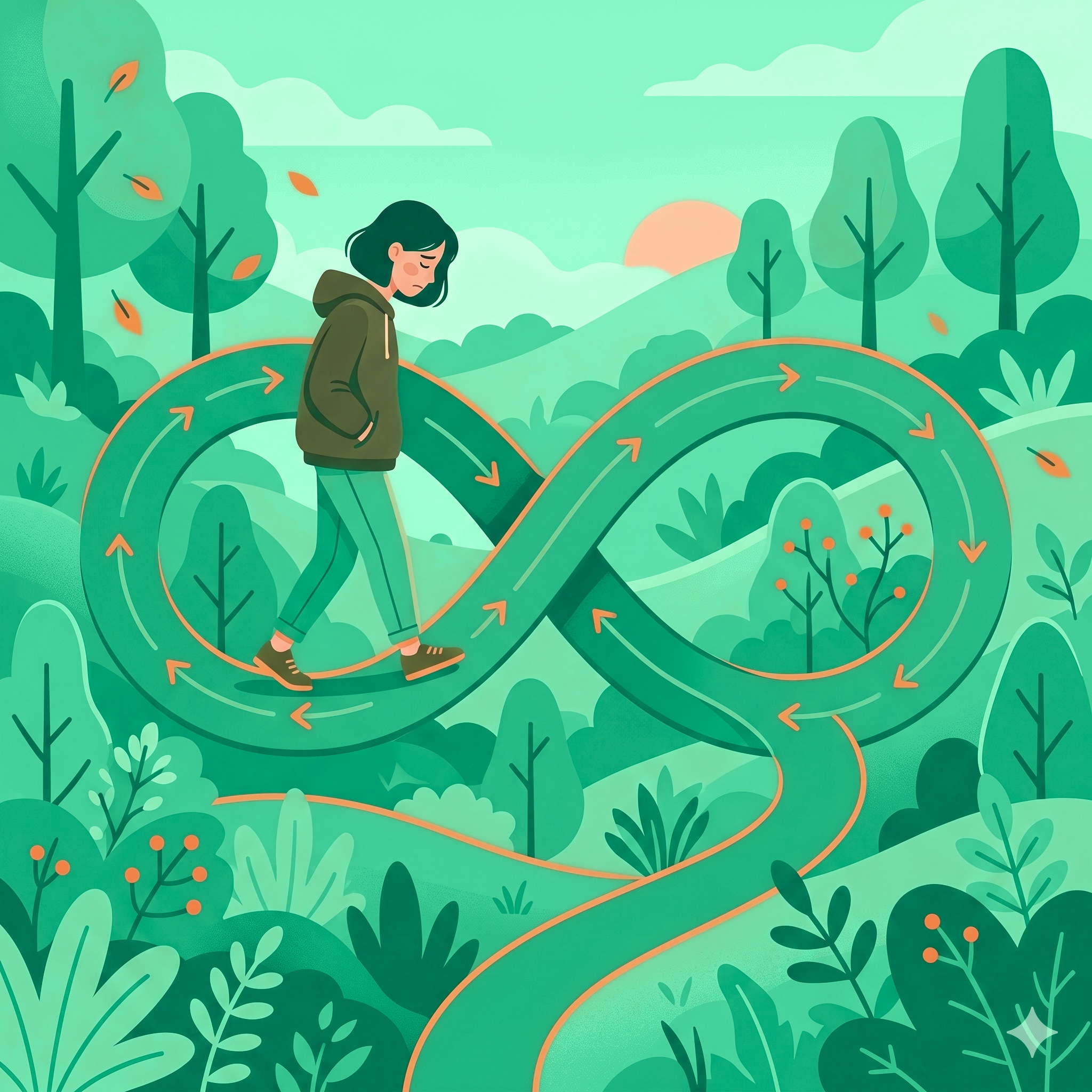
If you have ADHD, you might wonder whether your symptoms will worsen as you get older. The answer isn't a simple yes or no. Research shows that ADHD doesn't just "get worse" in a straightforward way. Instead, it evolves, and as life's demands increase, it can start to feel more challenging.
What Does Research Say?
A 2014 study from the PATH Through Life project found that older adults (68–74 years) actually reported lower levels of ADHD symptoms than their middle-aged counterparts (48–52 years). Only 2.2% of older adults scored above the clinical cut-off, compared to 6.2% of middle-aged adults. Interestingly, higher hyperactivity in older adults was even associated with better task-switching abilities, suggesting the relationship between aging, ADHD, and cognition is complex [1].
However, a more recent 2024 analysis of the Health and Retirement Study, which followed over 10,000 U.S. adults aged 51 and older, found that adults with childhood ADHD consistently scored lower on cognitive tests than their non-ADHD peers. While their rate of cognitive decline was similar, their starting point was significantly lower, suggesting a persistent cognitive impact throughout life [2].
What It Actually Looks Like as You Grow Older
Rather than symptoms getting worse biologically, the presentation of symptoms shifts noticeably:
When It May Feel Worse
ADHD symptoms often feel more severe because of:
Ultimately, while ADHD is a lifelong condition, proactive management — medication, therapy, and lifestyle adjustments can make a real difference in how manageable it feels as you get older.

Whether you're here to focus better, calm your mind, or just feel a little more in control, we’re here to support you. One game at a time.