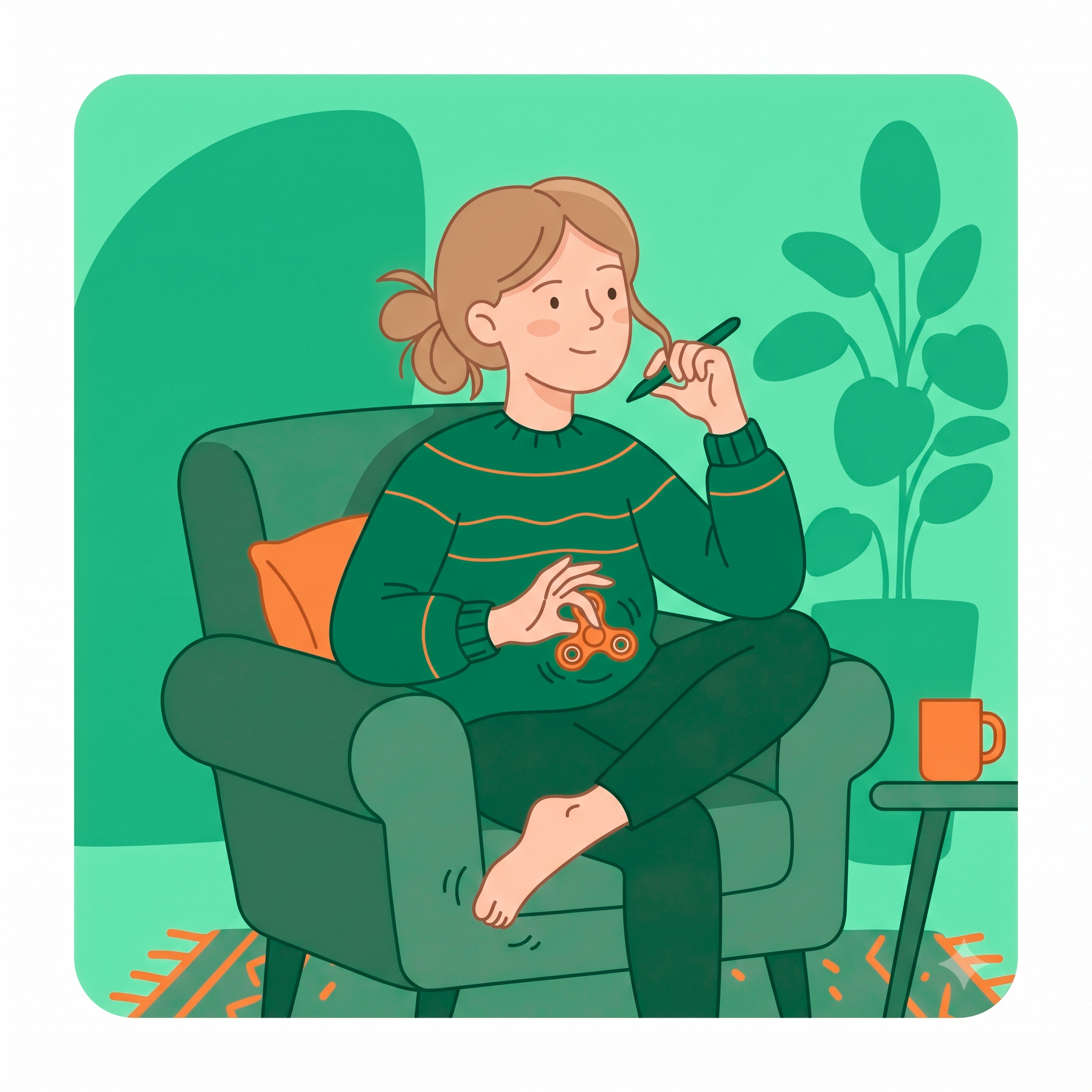
Picture someone with ADHD: They are unable to sit still, are fidgeting all the time, and their mind jumps from one thought to the next. They struggle to stay focused on what they are doing or what people are saying. They get easily distracted, and paying attention feels like a challenge.
If you were picturing a child, then don't worry: a lot of people do. But the truth is that this description could easily fit an adult with ADHD.
We tend to think of ADHD as a childhood-only condition, even though many people continue to experience symptoms throughout adulthood. In fact, some people (mostly women!) don't receive a diagnosis until adulthood, after years of wondering if they were broken or why everyday life seemed more difficult for them than for everyone else. [1] [2]
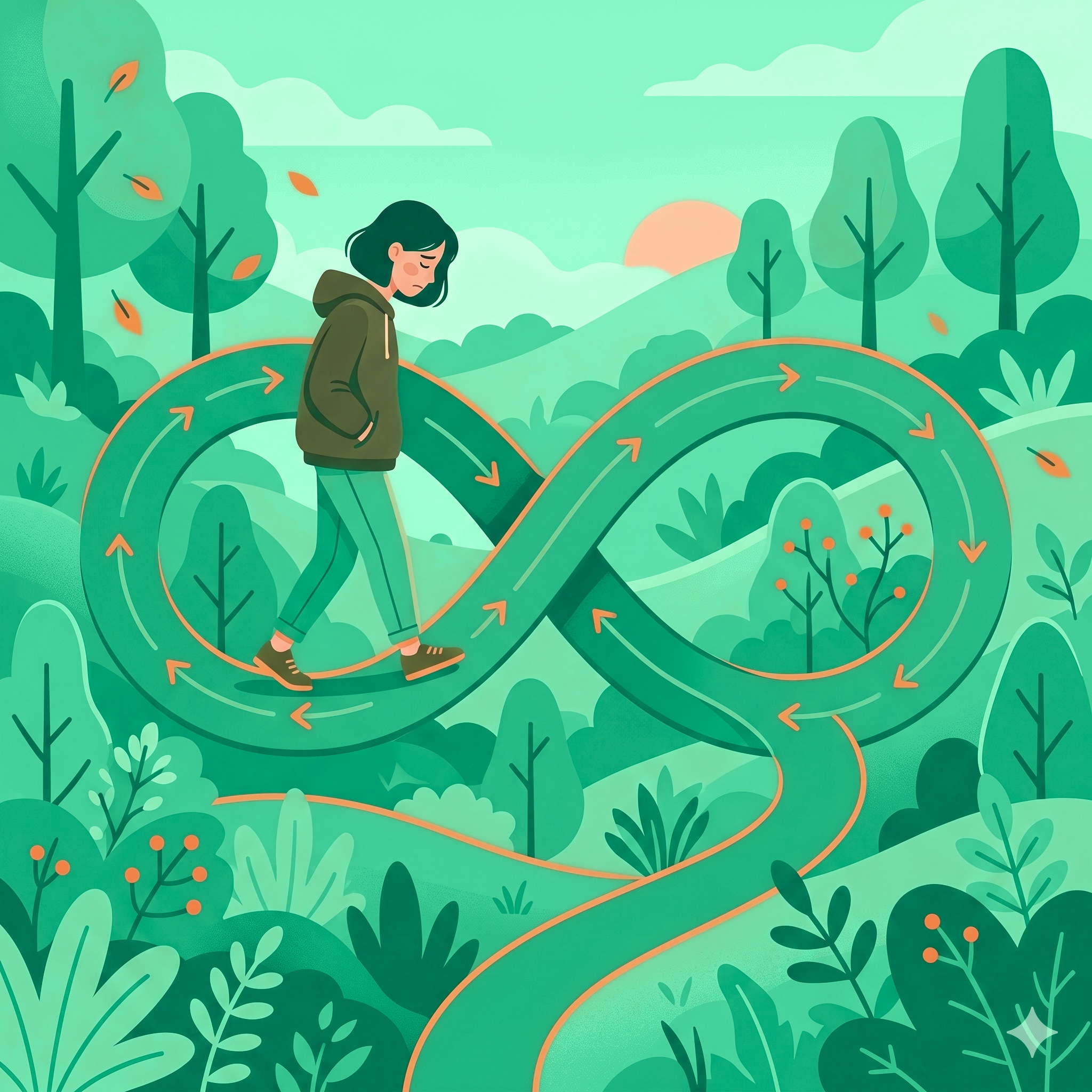
ADHD does not disappear with age, but it often changes how it looks. While the restlessness and hyperactivity that are commonly associated with ADHD can become less obvious over time, difficulties with attention, organization, and emotional regulation can continue to affect work, academic life, relationships, and everyday life [3].
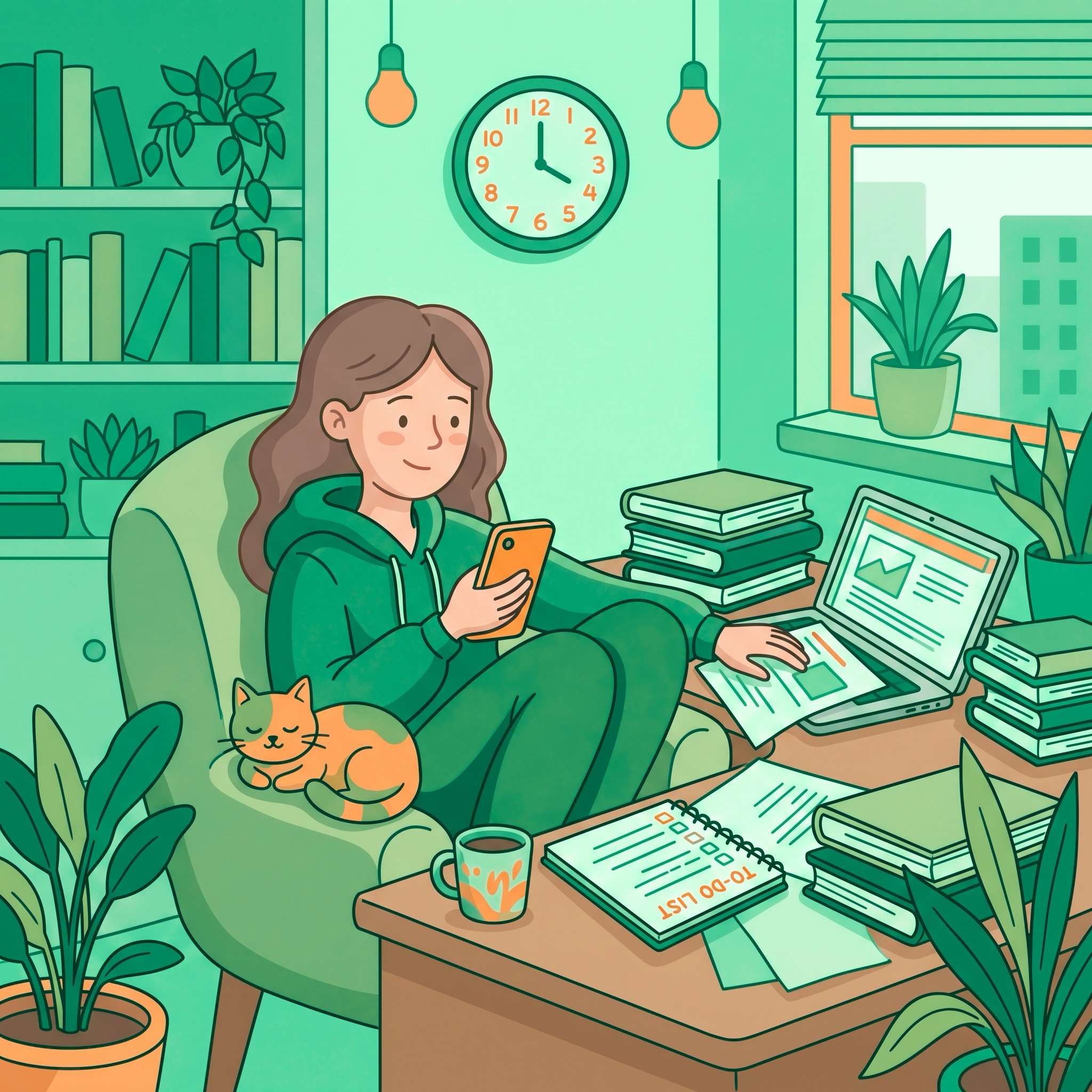
As an adult with ADHD, you might struggle to start tasks even if you know how important they are. You may underestimate how long a task will take, miss deadlines, appointments, or birthdays, and simply find it difficult to keep track of everyday responsibilities.
Maybe you also discovered you have some "superpowers," such as being able to focus for long periods of time on the activities you find interesting or rewarding. This experience is often called hyperfocus, and it's a good example of how ADHD isn't about a lack of attention but about difficulty regulating where your attention goes and for how long [4].
The emotional life of adults with ADHD also tends to be more intense, with difficulties managing frustration, disappointment, or stressful situations [5].
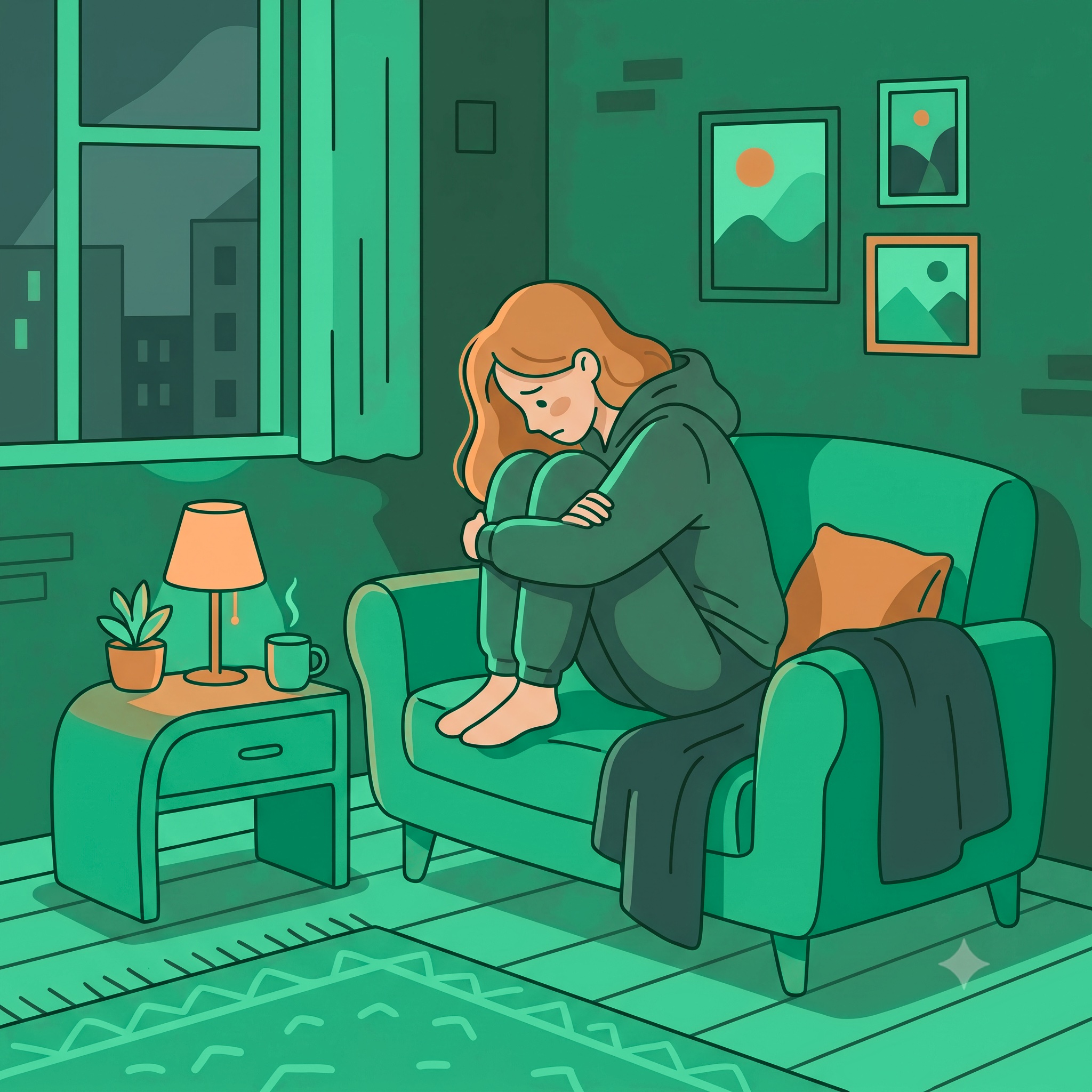
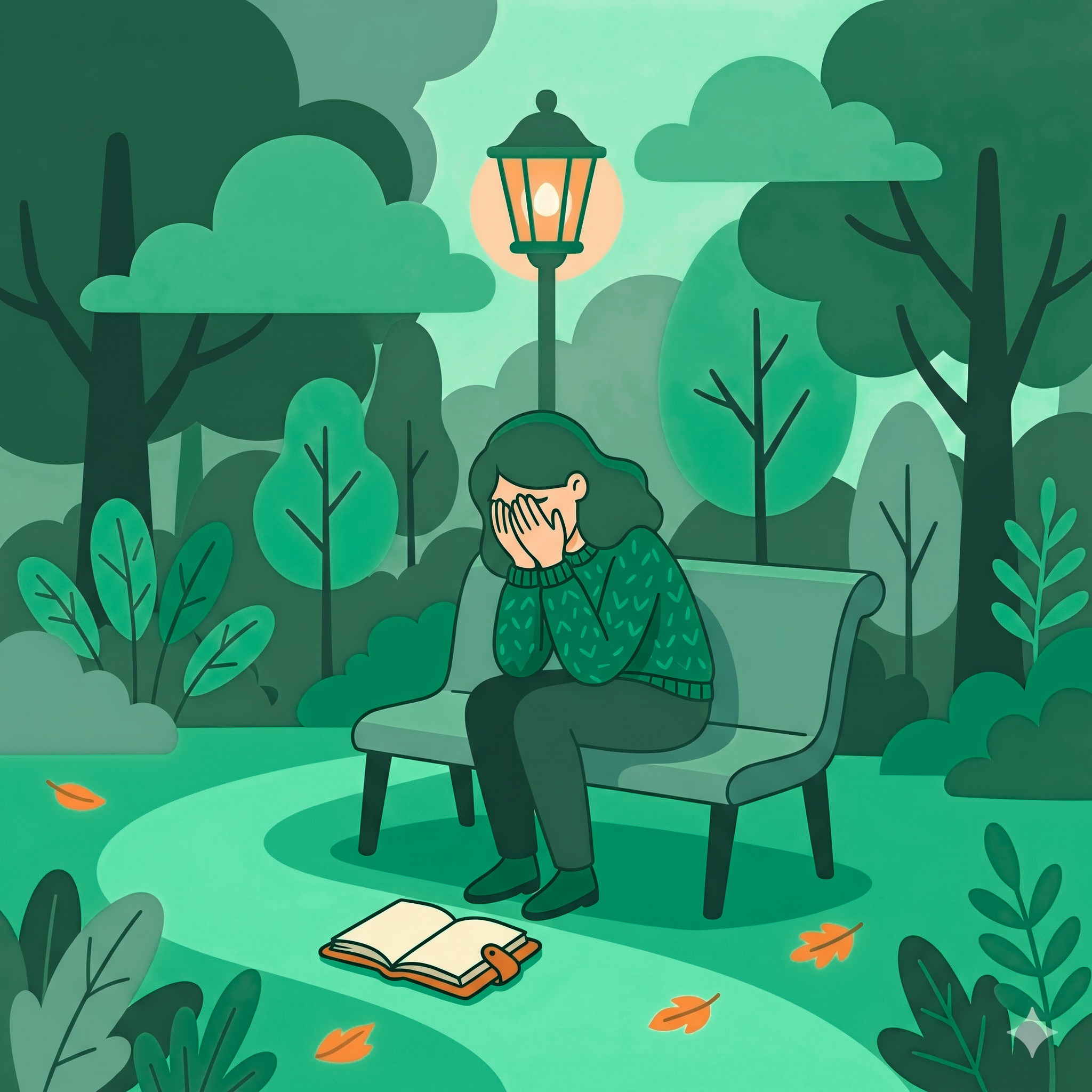
Of course, an entire life of symptoms and ADHD related struggles that others don't understand can also take a toll on your self-esteem. Imagine growing up hearing that you’re lazy, careless, or simply "not trying hard enough”. Over time, these experiences can lead to self-doubt, anxiety, or even depression [6].
Receiving a diagnosis doesn't change who you are, but it can provide a good explanation for the challenges you've experienced all your life and also open the door to the support you need.
If you think you might have ADHD but haven't been diagnosed yet, we encourage you to speak with a qualified mental health professional who can provide an assessment and help with the next steps (therapy, medication, or any other type of support).

Whether you're here to focus better, calm your mind, or just feel a little more in control, we’re here to support you. One game at a time.