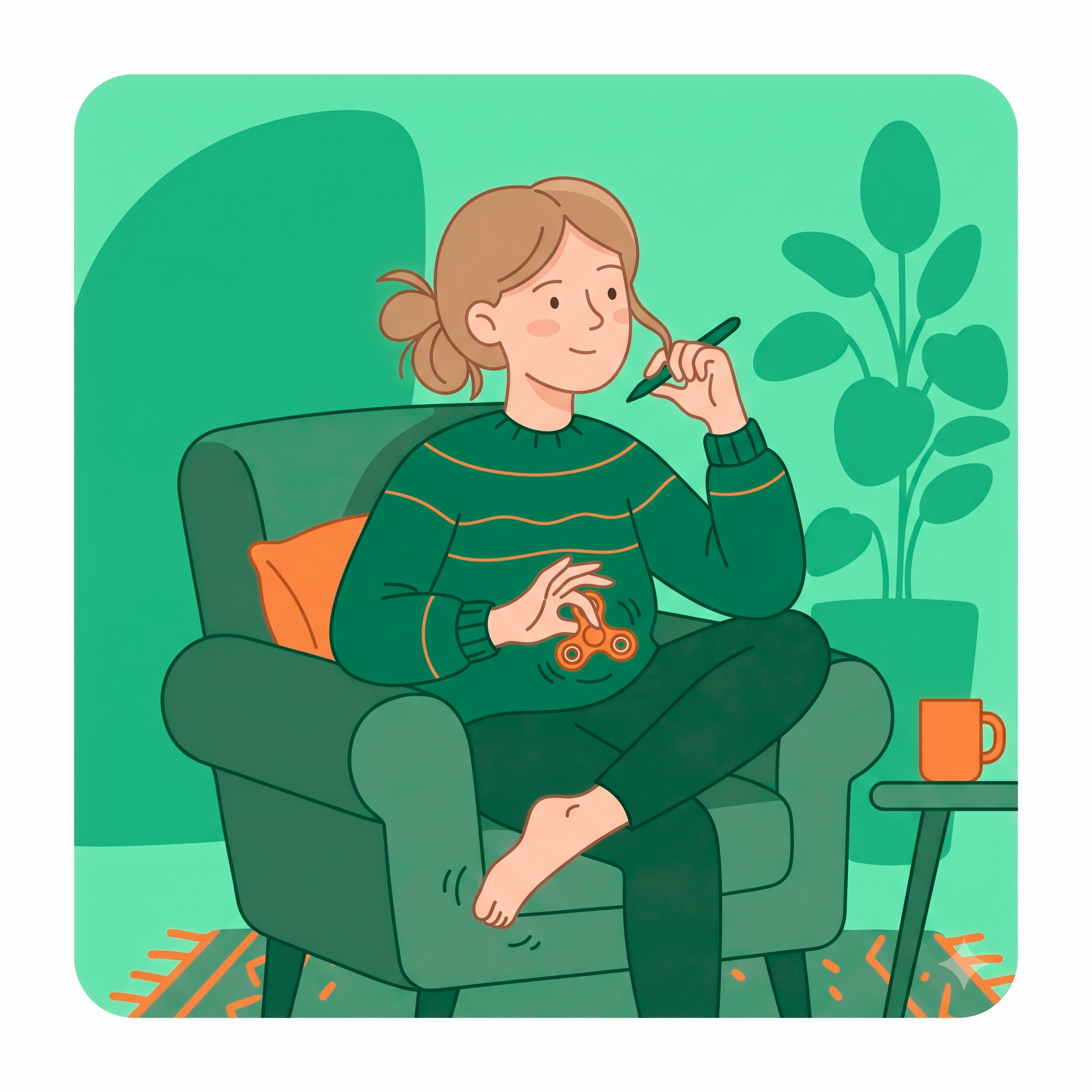
When we think about ADHD, a certain personality profile might come to mind: someone who is impulsive, spontaneous, always moving, and fidgeting. Even though we can picture this, there’s no evidence that ADHD determines your personality, although some personality traits might be more common among adults with ADHD.
Understanding the relationship between certain ADHD symptoms and personality traits should not be used for diagnostic or treatment-related purposes. However, it can help us understand patterns, identify where some of our behaviours might come from, and make sense of some of our experiences.
First, let's be clear about what we mean by personality (even psychologists haven’t agreed on a single definition for it!). For the purpose of this article, we’ll think of personality as those relatively stable patterns in how we behave, think, and experience emotions across different situations and over time.
Personality isn’t the same as a temporary mood, a habit we’ve picked up, or a behaviour we show in a particular situation. Also, even though they are stable, they are not always fixed: our experiences, environment, and personal development can influence how these patterns evolve and are displayed throughout life.
Research suggests that some personality traits are more common among adults with ADHD. Let’s look at what these traits mean and how they might show up in everyday life. Note that these are NOT illnesses, disorders, nor necessarily negative traits that need to be changed.
In Psychology slang: neuroticism or negative emotionality
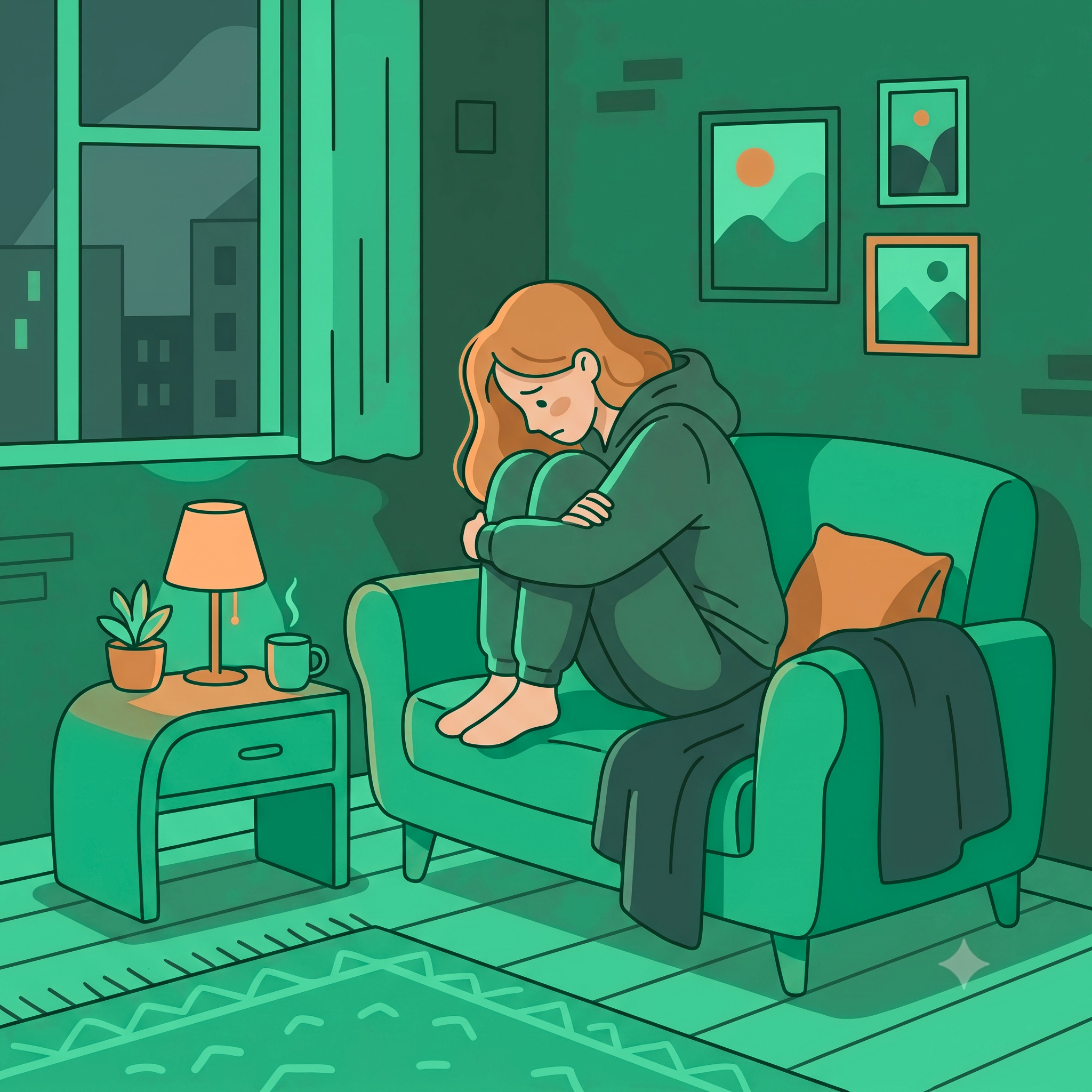
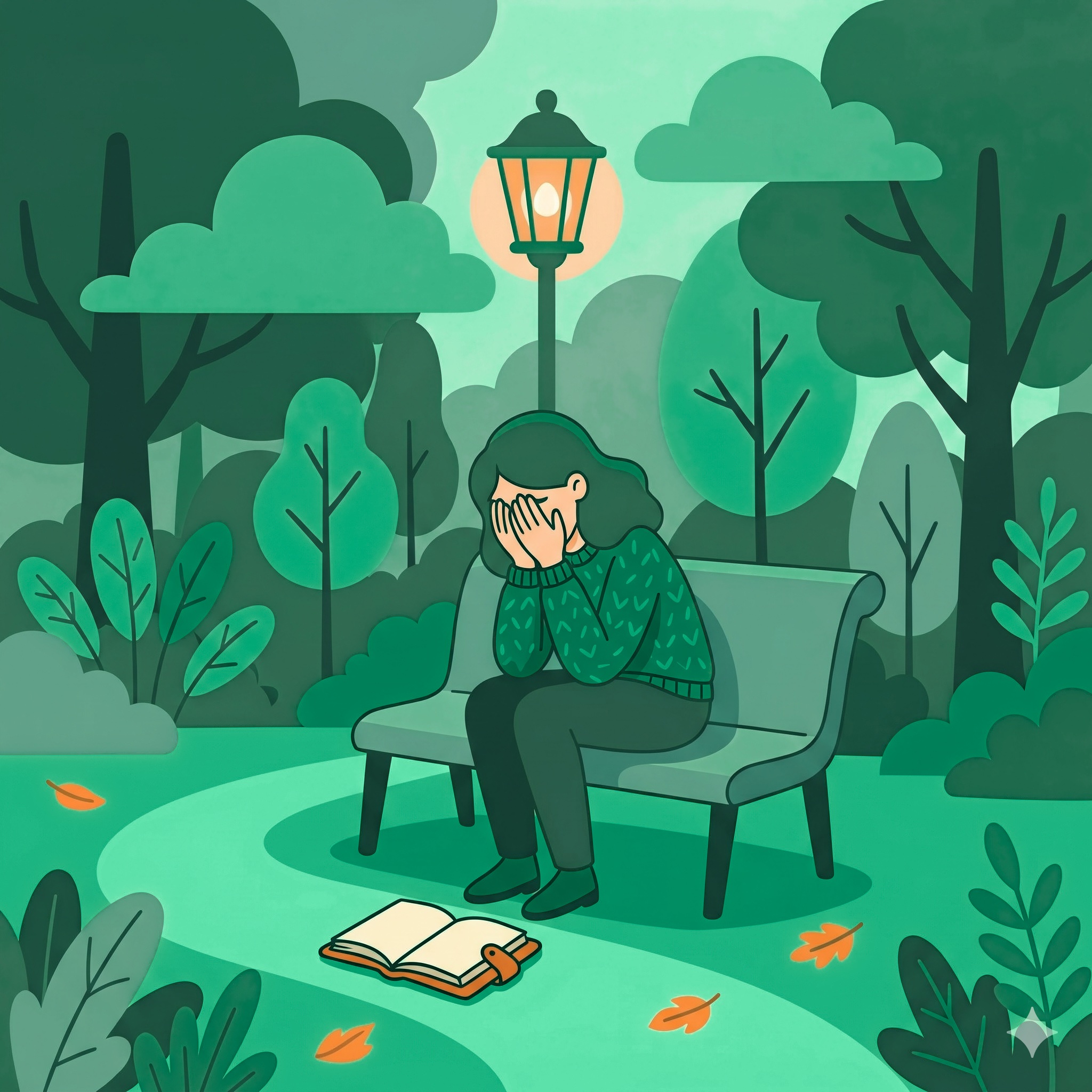
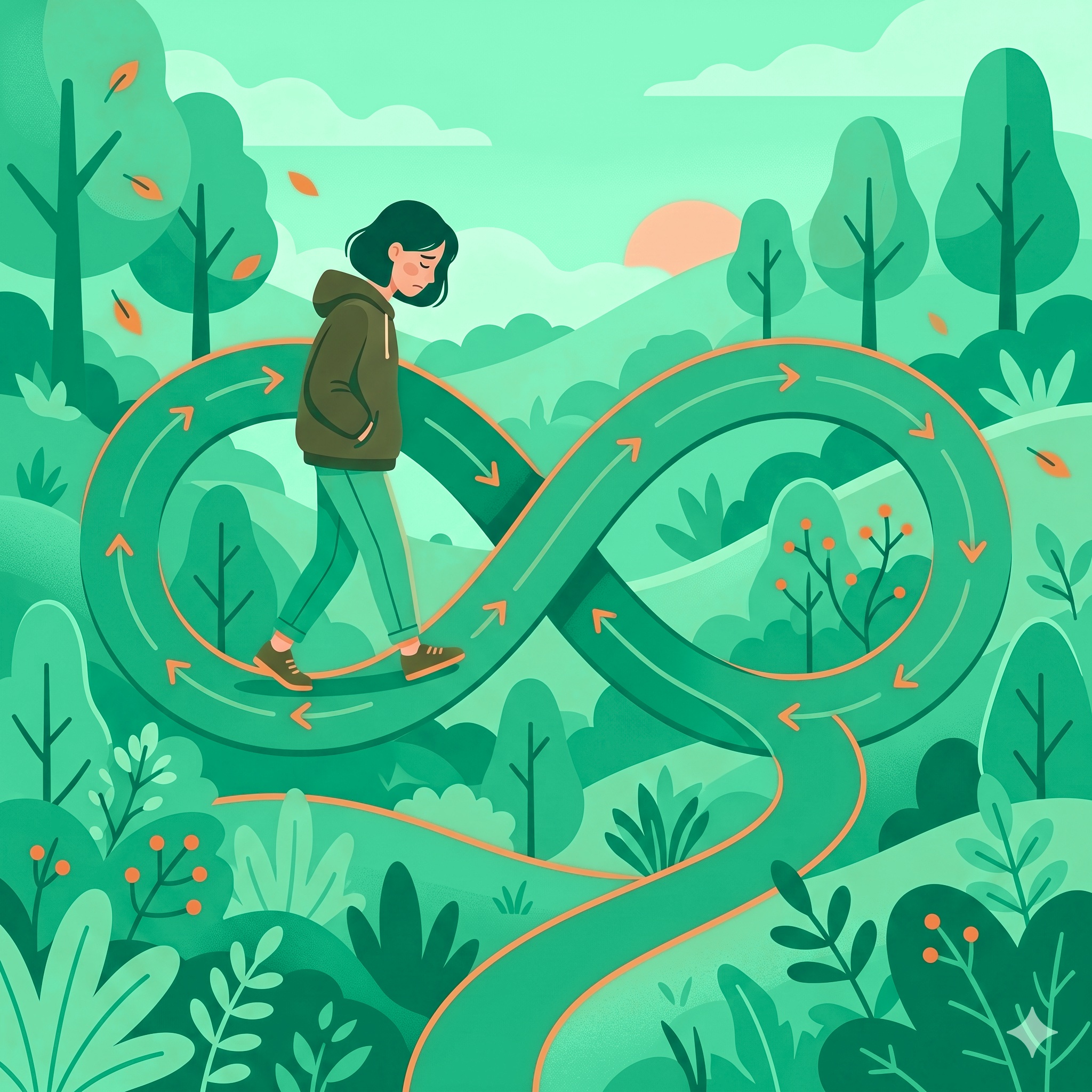
You might get frustrated when things don’t go as planned, feel like anxiety is a close friend (always around!), constantly worry about making mistakes, or find yourself replaying an uncomfortable conversation over and over again in your head while trying to come up with the best possible answer.
Research suggests that adults with ADHD tend to score higher in neuroticism [1], a personality trait associated with experiencing emotions such as anxiety, worry, and frustration. Adults with ADHD also report greater difficulties with emotional regulation on average (these are well documented, as well [2]. This doesn’t mean everyone with ADHD is emotionally sensitive or that any of these emotional responses are not valid (remember, there’s no such thing as negative emotions). It just means that for some ADHD folks, it may be harder to manage their emotional responses, especially in stressful situations.
In Psychology slang: conscientiousness
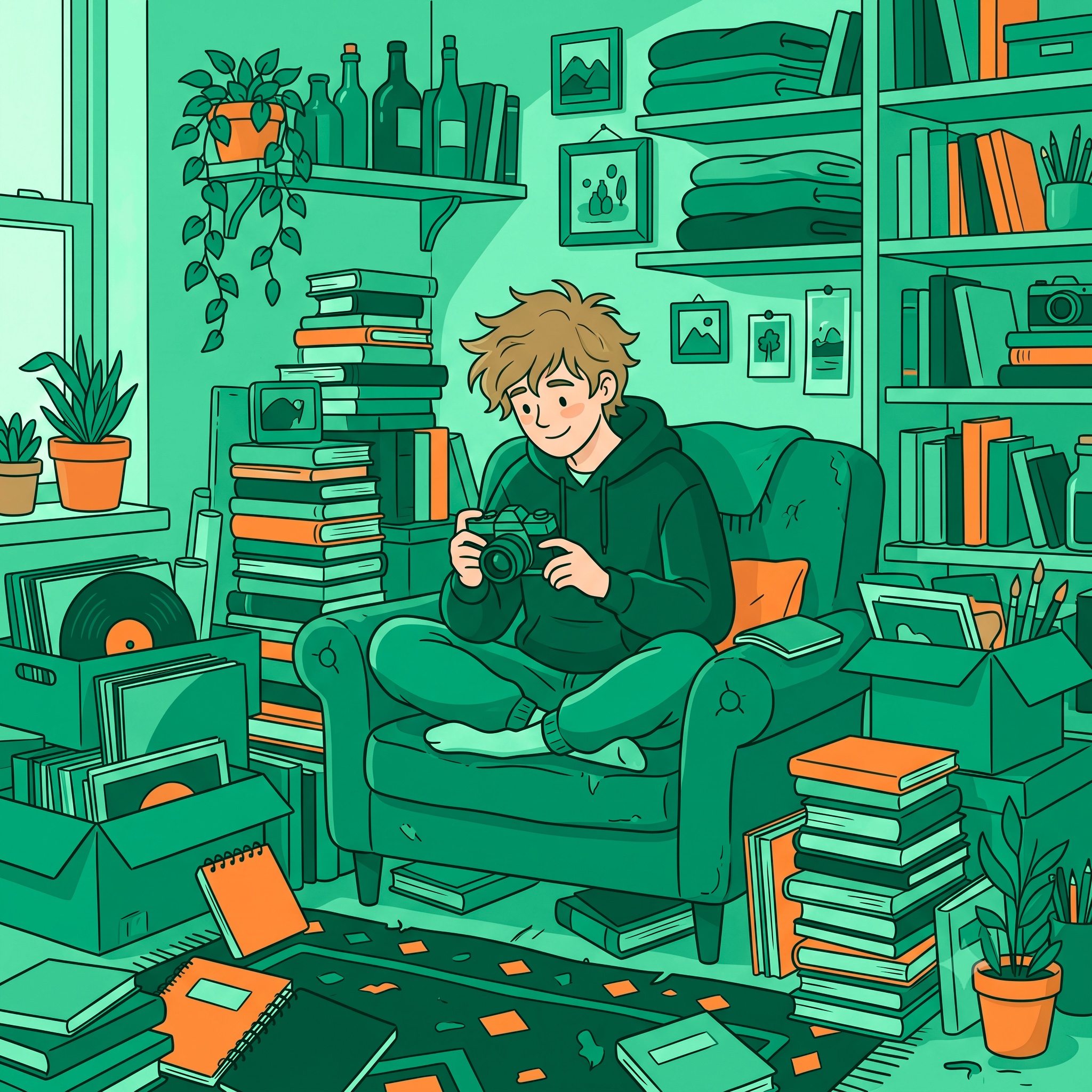
Do you struggle to get started on a task, keep track of deadlines, or finish what you started (even if you were very excited about it at first)? Lower conscientiousness is associated with ADHD [3] and relates to traits such as organisation, planning, and following through on responsibilities.
If you struggle with this, please know that it doesn’t mean that you’re lazy or don’t care. You might genuinely want to get things done but find it difficult to organise your time, prioritise tasks, or follow through consistently. ADHD-related difficulties with attention, self-regulation and executive functioning can contribute to these challenges, regardless of how motivated you are.
Something to Remember:
Remember, these are trends, not fixed rules. You might recognise yourself in some of these examples, but not others, and that’s perfectly normal. Personality is complex, and ADHD and personality tests are just one part of the picture.

Whether you're here to focus better, calm your mind, or just feel a little more in control, we’re here to support you. One game at a time.