ADHD and Hobbies: Why You Start Everything and Finish Nothing

Sara Haqqi
November 14, 2026
•

2min read

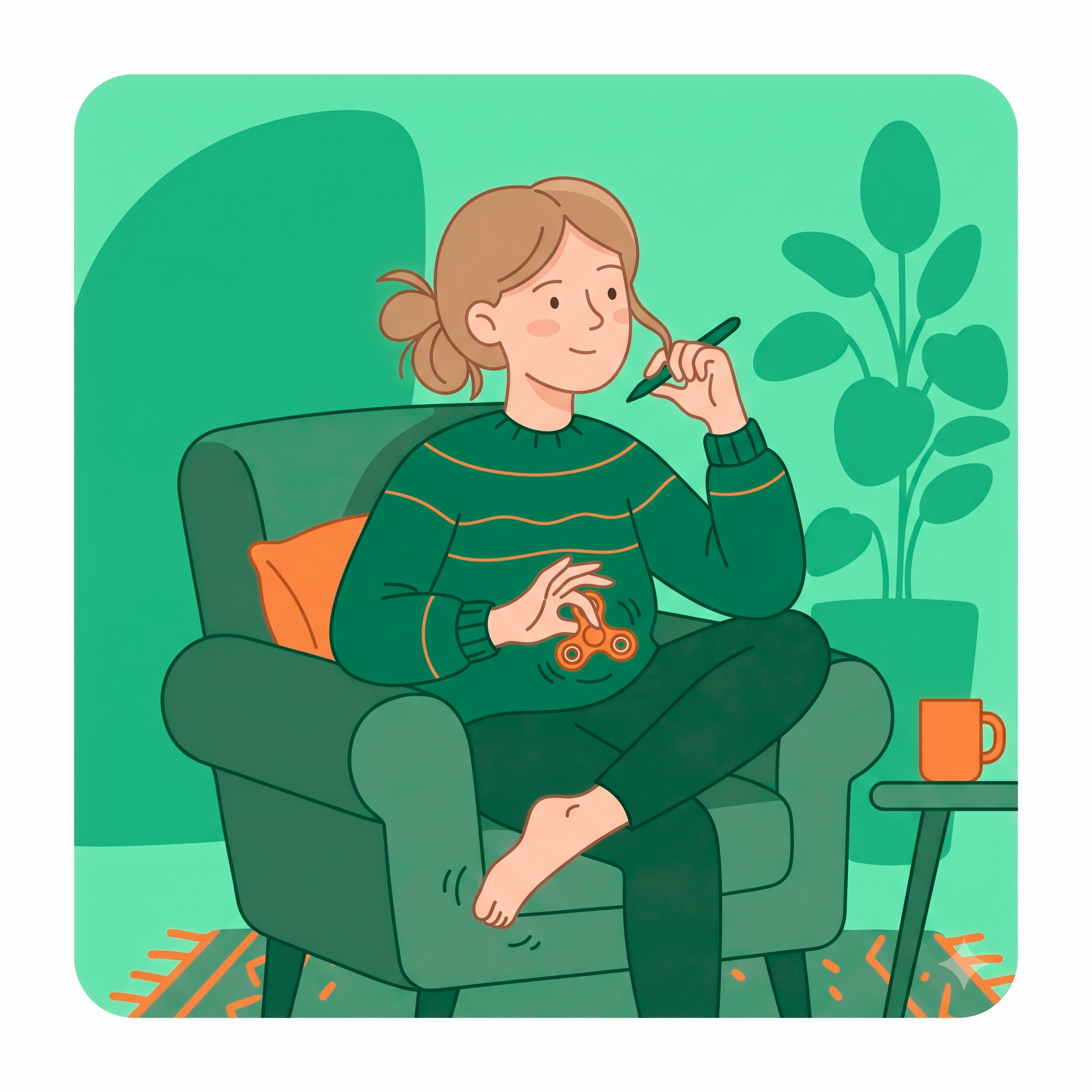
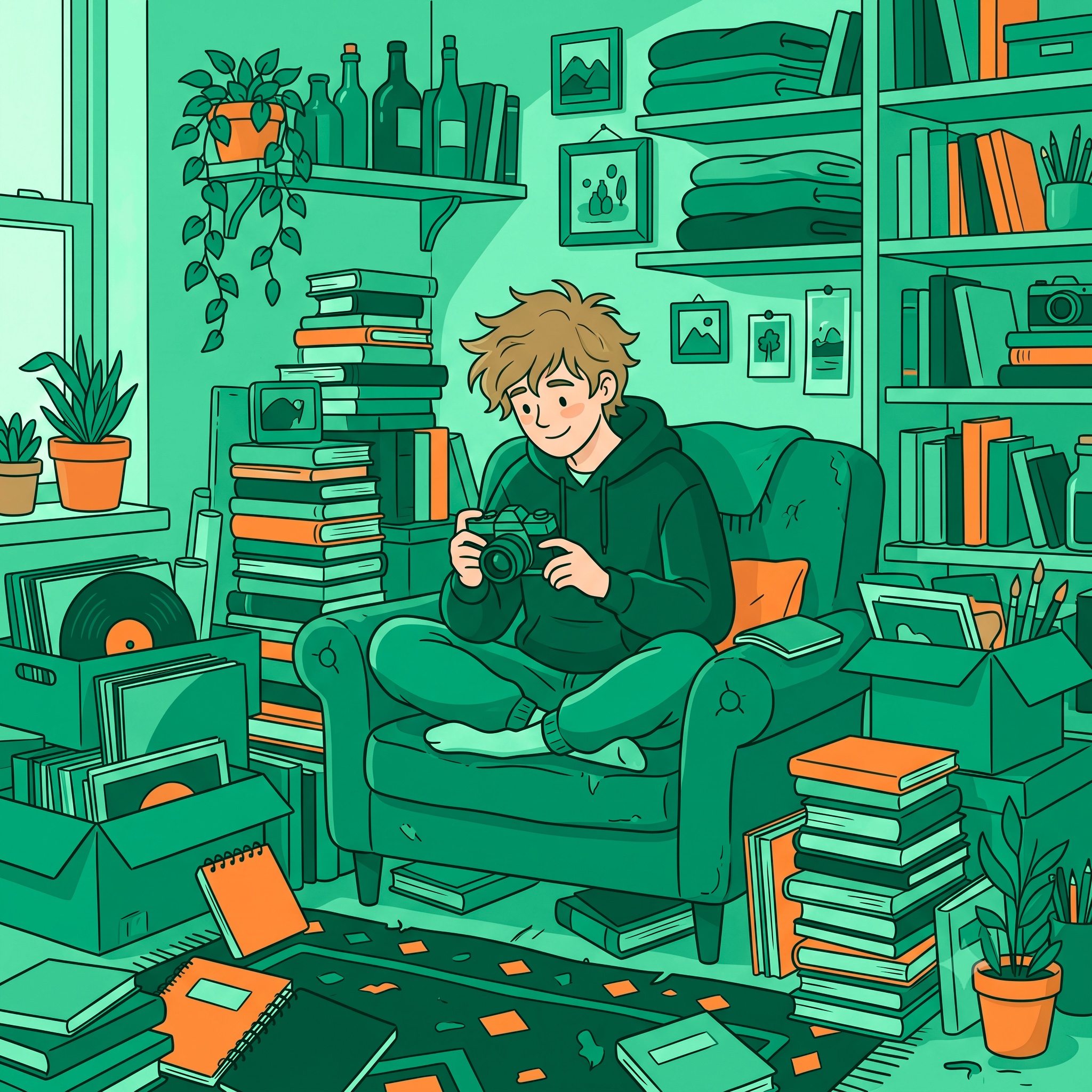
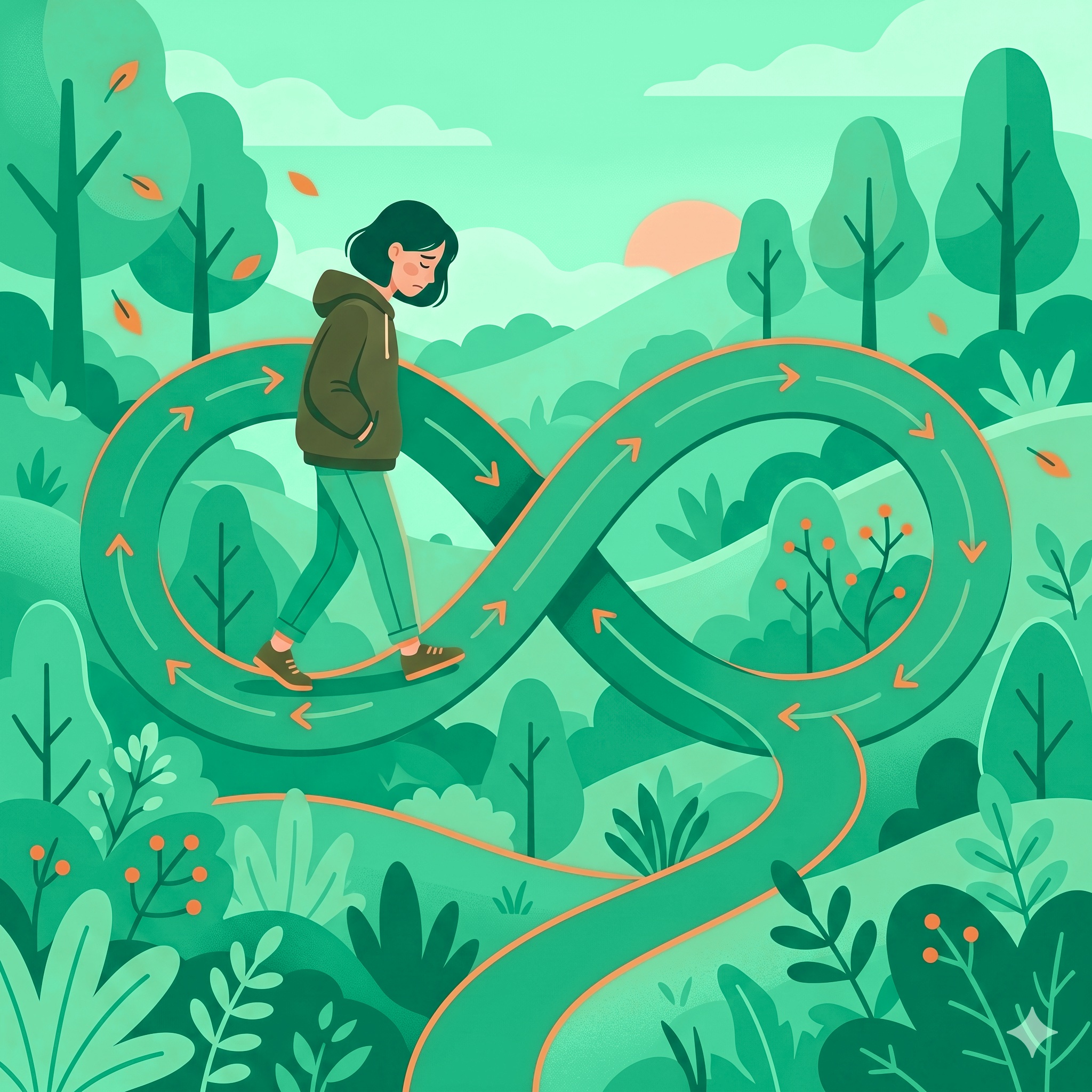
If you have ADHD, chances are you have a closet, or a garage, or a dedicated drawer, that serves as a graveyard for abandoned hobbies. The half-finished crochet blanket. The guitar gathering dust. The watercolor set that seemed like a brilliant idea three Tuesdays ago. You are not lazy, and you are not a quitter. You are simply wired for novelty in a world that can offer millions of choices thanks to online stores and hobby focused content.

‍

The Dopamine: The Silly Chemical

The struggle with hobbies isn't a character flaw or shortcoming, it is neurochemistry. Research consistently links ADHD to alterations in the brain's reward system, often described through the lens of Reward Deficiency Syndrome (RDS). This model suggests that individuals with ADHD may have a dysfunction in the dopamine reward cascade, leading to a persistent craving for novel, stimulating experiences to feel that "spark" of motivation [1]. When you start a new hobby, the anticipation and creative exploration provide a reliable hit of dopamine. However, once the novelty wears off and the activity becomes routine, the reward diminishes, and your brain begins scanning for the next interesting thing .

‍

The Hyperfocus Trap

But the story is more complex than just a short attention span. ADHD also brings the paradoxical superpower of hyperfocus [2]. When a hobby is sufficiently engaging, the ADHD brain can lock on with an intensity that neurotypical brains rarely experience. During these episodes, you might spend hours, days, or weeks in a state of flow, ignoring meals and sleep to perfect your sourdough starter or master a new coding language. This intense, dopamine-fueled absorption feels incredible until one day it doesn't. The crash often comes abruptly, leaving you feeling bored and hollow, wondering why the thing you loved yesterday now feels like a chore.

‍

The Guilt Spiral

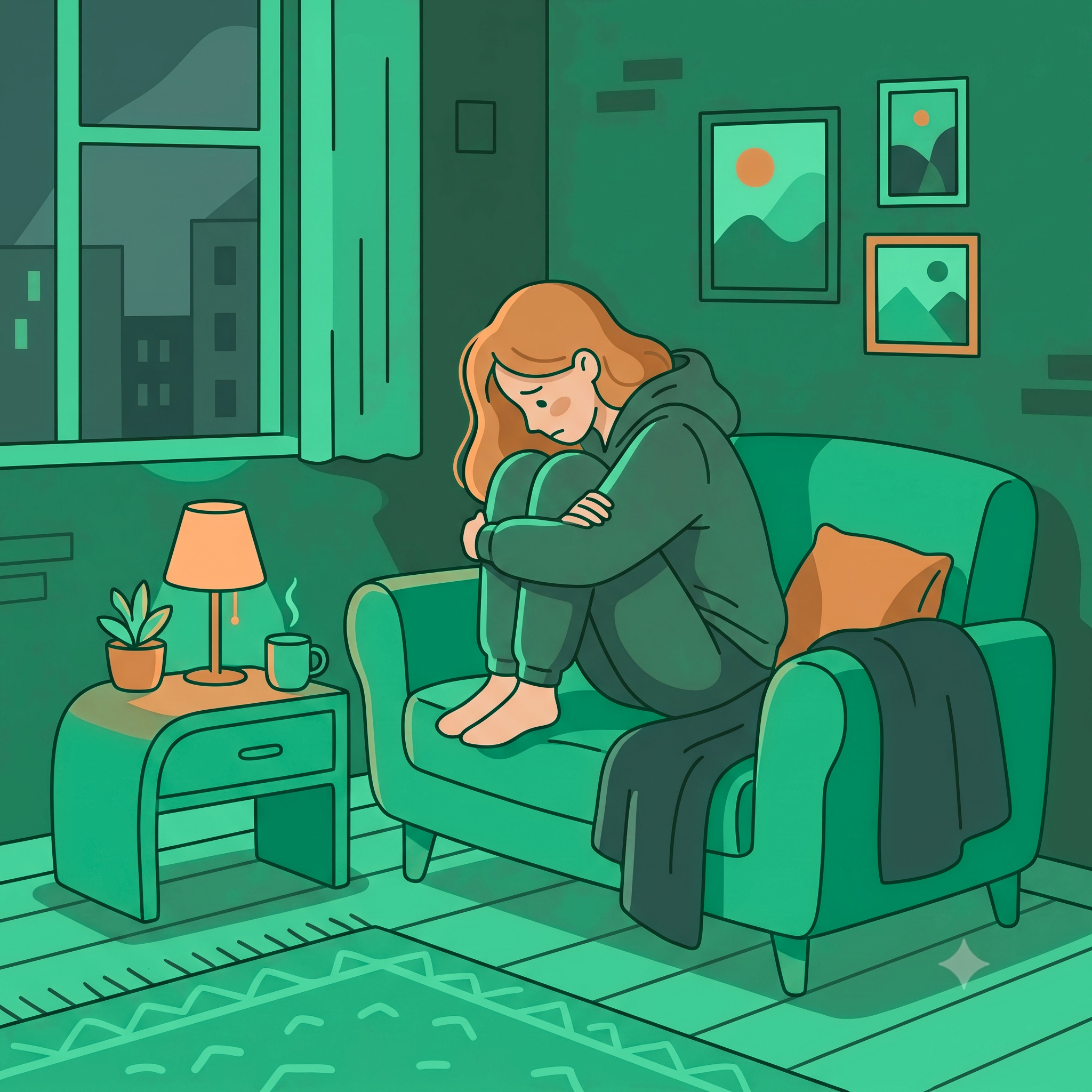
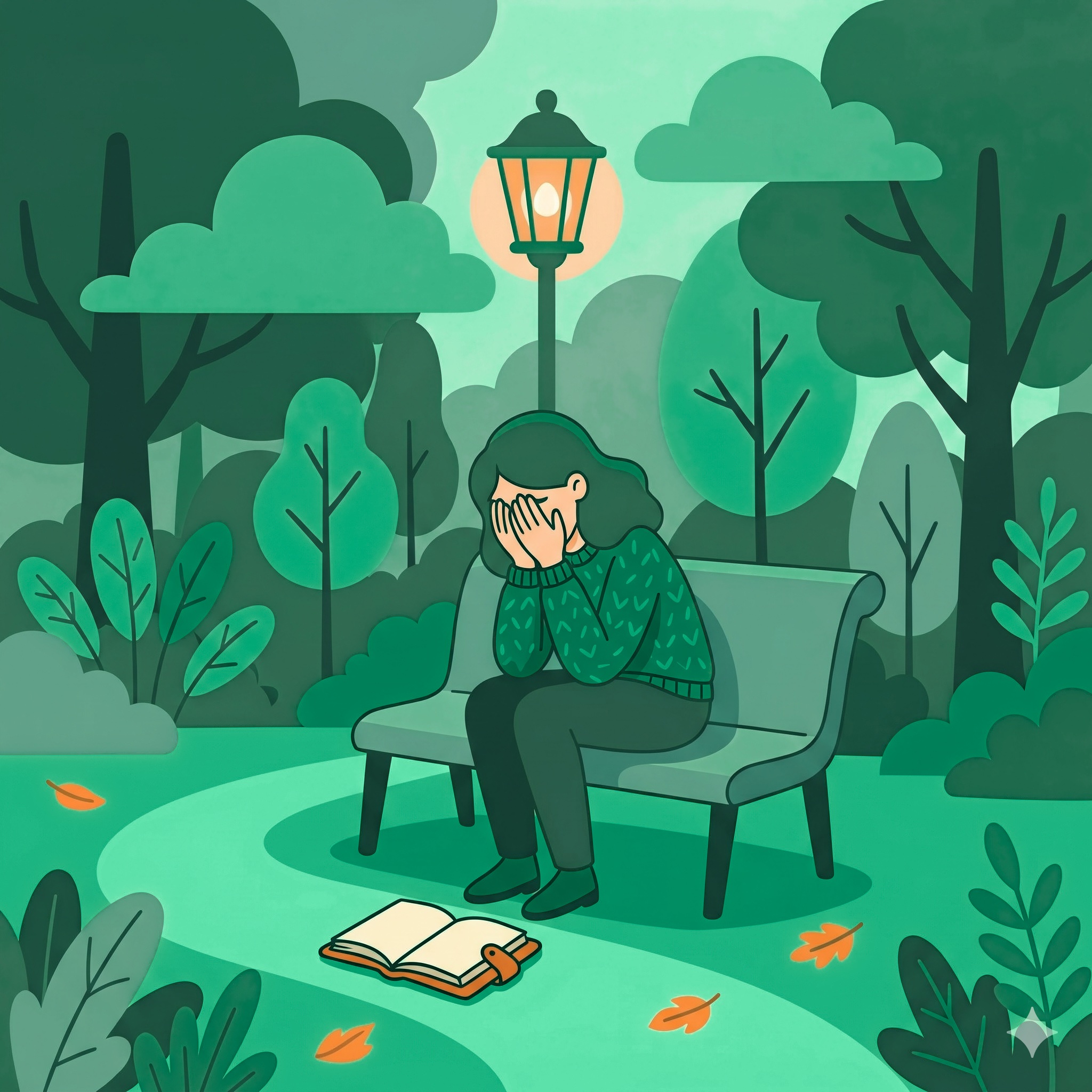
This cycle creates a unique emotional burden, guilt. You look at the expensive supplies and the unfinished projects, and you feel ashamed of your "lack of follow-through" . This shame can actually make it harder to return to the hobby, because the activity is now associated with negative feelings. You avoid the guitar because looking at it reminds you that you "failed." It can be a vicious loop where the thing that once brought joy now only brings a vague sense of obligation.

‍

Reframing the Narrative

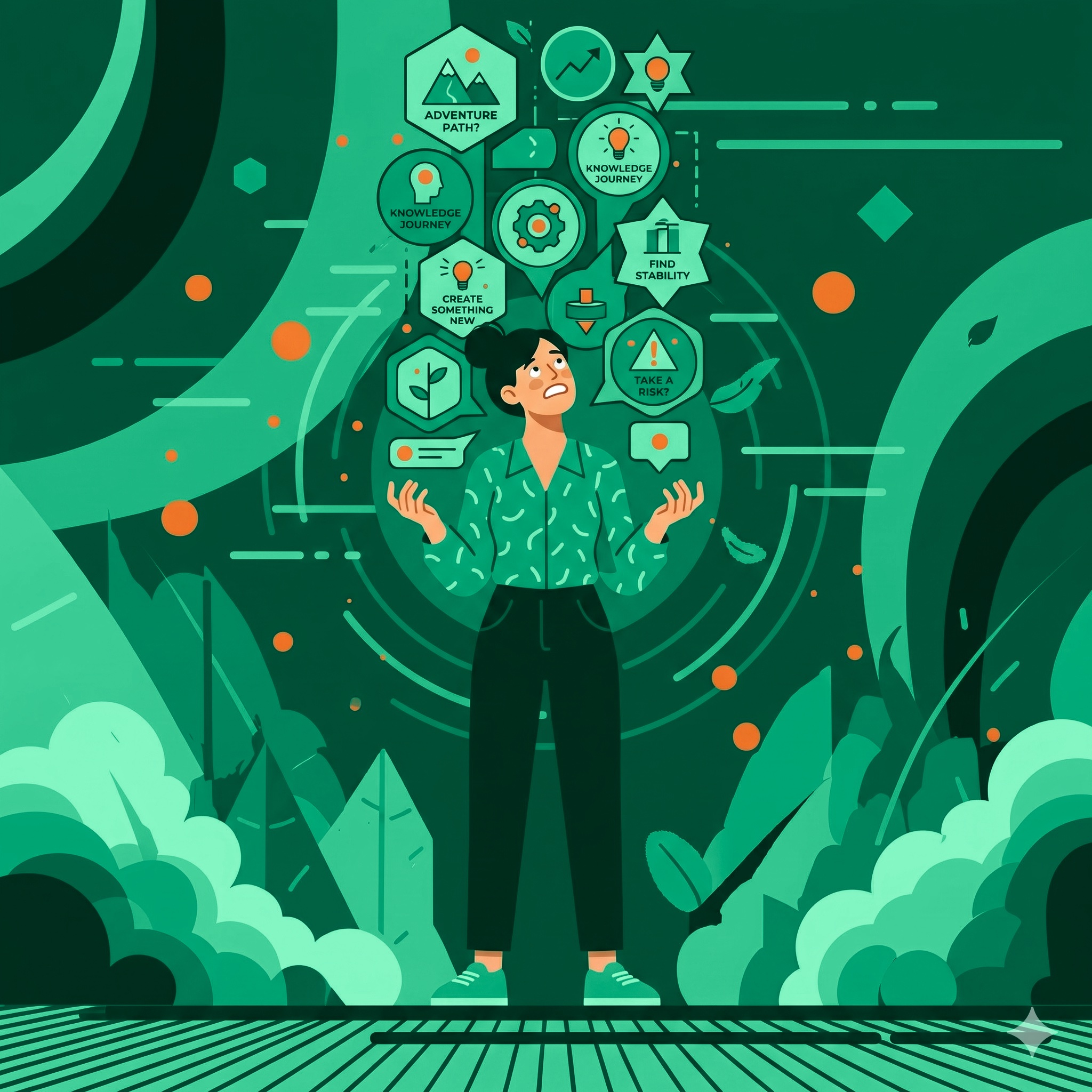
Here is the radical reframe: Hobbies are for enjoyment, not for productivity. If you spent a weekend learning to embroider, loved the process, and then never picked it up again, you didn't fail, you succeeded at experiencing joy. The idea that a hobby must culminate in mastery or a side hustle is not healthy. Having a broad, shallow knowledge of many things is not a flaw; it makes you a more curious, interesting person. As it goes, research has suggests that people with ADHD traits tend to be more curious than neurotypical individuals [3].

Share this post
Sara Haqqi
Scientific Advisor

Gain control over your cognitive hurdles

Whether you're here to focus better, calm your mind, or just feel a little more in control, we’re here to support you. One game at a time.
Related posts

Liked this article? You might also enjoy these related posts!

Cognitive Training for ADHD: How Brain Training Works

How brain training works for ADHD, which everyday difficulties it targets, and what makes a program more than a game.
Learn more

Is There an ADHD Personality Type?

Why some personality traits are more common with ADHD, what that actually means, and what it says about motivation.
Learn more

ADHD Strengths: What the Research Actually Shows

The "D" in ADHD stands for deficit, but that’s only half the picture. What research says about hyperfocus, creativity, and where ADHD traits become strengths.
Learn more

Parenting With ADHD: Why It Feels So Hard, and What Helps

Parenting asks for exactly the skills ADHD makes hardest: planning, routines, patience at 6pm. Why it feels so difficult, and what actually makes it easier.
Learn more

Is ADHD Genetic? Does It Run in Families?

ADHD runs in families, but there's no single ADHD gene. Here's what the research says about how it's inherited, and why no two relatives are quite alike.
Learn more

ADHD and Procrastination: Why Starting Feels So Hard

ADHD procrastination isn't laziness. It's how the brain weighs immediate rewards against delayed ones, and why starting is the hardest part. What helps.
Learn more

ADHD in College: Why University Is Harder, and What Actually Helps

College removes the structure that made school manageable. Here's why ADHD often gets harder after high school, and practical ways to build your own system.
Learn more

ADHD in Adulthood: What It Looks Like and Why It's Often Missed

ADHD doesn't end in childhood. Here's what it looks like in adults, why so many women are diagnosed late, and what to do if it sounds familiar.
Learn more

Can ADHD Get Worse With Age? How Symptoms Change Over Time

ADHD doesn't get worse with age, but it does change. Here's how symptoms shift over time, when they feel more intense, and what actually helps.
Learn more

ADHD and Fidgeting: Why Your Brain Needs to Move

Why do people with ADHD fidget? It's not restlessness, it's self-regulation. Here's what the research says about movement, focus, and fidget tools.
Learn more

How Is ADHD Diagnosed in Adults? What to Expect from an Assessment

What actually happens during an adult ADHD assessment, how long it takes, and how to tell a thorough evaluation from a rushed one.
Learn more

Can ADHD Cause Depression? What the Research Says

Living with ADHD raises your risk of depression, but it isn't inevitable. Learn why the two are linked and four research-backed ways to protect your mood.
Learn more

Why ADHD Brains Collect Clutter and How to Defeat Decision Paralysis

ADHD-driven clutter and hoarding are not issues of laziness, but rather physiological consequences of decision paralysis, hyperfocus shifts, and working memory deficits that are best resolved by practicing cognitive categorization rather than sheer willpower.
Learn more

Why ADHD in Women Gets Missed for Decades and What Changes in Midlife

The systemic underdiagnosis of women with ADHD stems from internalized symptoms and compensatory masking that inevitably break down during major hormonal shifts, transforming hidden executive strain into adult burnout.
Learn more

Processing the Emotional Fallout of a Late Adult ADHD Diagnosis

A late adult ADHD diagnosis frequently triggers a complex, non-linear grief for what "could have been," requiring individuals to move from self-blame to identity reconstruction through neurodivergent-affirming therapy, community, and radical self-compassion.
Learn more

How to Break the ADHD Anxiety Loop and Calm Your Nervous System

While ADHD does not directly cause anxiety, its core executive deficits and the cumulative trauma of navigating negative social feedback create a persistent anxiety loop that can be dismantled through self-awareness, lifestyle adjustments, and targeted digital supports.
Learn more

Why ADHD Brains Crave Food Fixations and How to Master Your Eating Patterns

Because the ADHD brain uses food as a dopamine-seeking tool for stimulation and emotional regulation, individuals often experience unique patterns like "hyperfocus blackouts" or "food fixations" that require external structure and sensory alternatives to manage.
Learn more

How ADHD Fuels Imposter Syndrome and Ways to Reclaim Your Worth

ADHD imposter syndrome is a deeply ingrained response to a lifetime of performance gaps and negative feedback, requiring a shift from internalizing criticism to practicing radical self-compassion and objective reality checks.
Learn more

Why Your ADHD Brain Feels Foggy and How to Break the Haze

ADHD brain fog is a physiological state of cognitive dysregulation, often linked to Sluggish Cognitive Tempo, that requires sensory anchoring and nervous system reboots rather than increased willpower to clear.
Learn more

How to Unlock ADHD Creativity and Turn Divergent Thinking into a Strength

ADHD is far more than a set of deficits, it is a distinct cognitive style where enhanced divergent thinking and original perspective-taking can be transformed into a personal and professional superpower.
Learn more

Building a Dopamine Bridge for ADHD Motivation

ADHD motivation isn't a lack of willpower but a neurobiological preference for immediacy and novelty, where gamified rewards act as a "dopamine bridge" to help the brain initiate and sustain effort on less-stimulating tasks.
Learn more

Why ADHD Can Make Love Feel So Complicated

ADHD affects far more than productivity, it can deeply shape how people connect with others. From managing emotions and remembering important details to masking symptoms and fearing stigma, ADHD can make building and maintaining relationships uniquely challenging.
Learn more

Navigating Romantic Relationships as an ADHDer

Romantic relationships with ADHD can feel like a dance where the rhythm keeps shifting, full of love and passion, yet often marked by frustration and misunderstanding. Forgetfulness, emotional intensity, and inconsistent attention aren’t signs of disinterest, but reflections of how ADHD brains process emotion, time, and connection differently.
Learn more

ADHD Struggles in Social and Romantic Relationships

ADHD can make social and romantic relationships feel like an uphill climb, with forgetfulness, impulsivity, and emotional intensity creating challenges, but also with passion, creativity, and spontaneity bringing unique strengths.
Learn more

ADHD Struggles at Work

A deep dive into the unique challenges adults with ADHD face in the workplace, from structure and burnout to hyperfocus, criticism, and the rise of virtual meetings.
Learn more

Fighting an Invisible Battle of Getting Things Done

A look at the unique productivity struggles adults with ADHD face, and how to work with your brain, not against it.
Learn more